

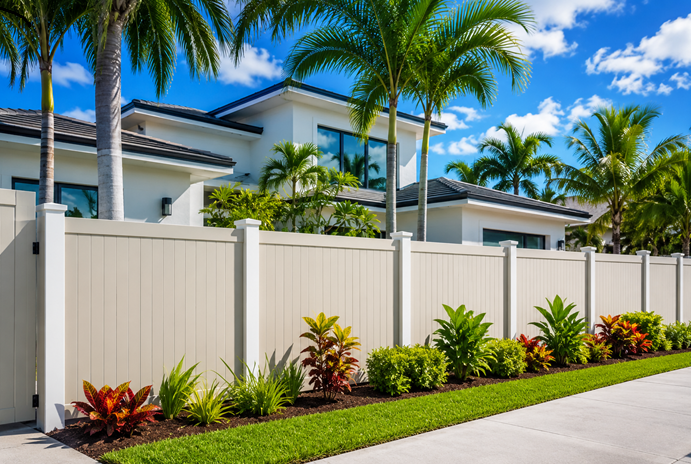
South Florida weather is beautiful for most of the year, but hurricane season changes everything. Strong storms, flying debris, and heavy wind pressure can quickly damage poorly built outdoor structures. That’s why homeowners planning new fences need to think beyond appearance and privacy. Wind resistance matters just as much as design.
If you’re installing a new fence in Broward, Miami-Dade, Palm Beach, or nearby coastal areas, understanding wind requirements can help you avoid expensive repairs and code violations later. The right materials, installation methods, and engineering standards all play a role in how well your fence performs during severe weather.
In this guide, we’ll break down the wind rating requirements for South Florida fences, explain how local building codes work, and help you choose a fence system that balances durability, curb appeal, and long-term value.
Why Wind Ratings Matter for South Florida Fences
South Florida sits in one of the highest hurricane-risk zones in the United States. Because of this, local building codes are stricter than in many other parts of the country.
A fence that cannot withstand high wind pressure may collapse during tropical storms or hurricanes. When that happens, it can damage neighboring properties, vehicles, landscaping, and even create safety hazards for people nearby.
Wind ratings are designed to measure how much wind force a structure can safely handle before failing. For residential fencing, this rating depends on factors such as:
- Fence material
- Height
- Post depth
- Spacing between pickets
- Gate design
- Soil conditions
- Installation quality
Even the best-looking fence can fail if it isn’t engineered for local weather conditions.
What Wind Rating Does a Fence Need in South Florida?
In many South Florida municipalities, residential fences are expected to withstand wind speeds ranging from 120 to 180 mph depending on the exact location and exposure category.
Coastal homes and open areas typically require stronger resistance because they face more direct wind pressure during hurricanes.
Most local building departments follow versions of the Florida Building Code, which references ASCE wind load standards. While fence requirements vary by city and county, a professionally installed residential fence should generally be engineered for hurricane-force winds common to the region.
Before starting a project, it’s smart to work with a licensed installer familiar with local code requirements and permit procedures. Many homeowners searching for a reliable fence contractor near me choose companies experienced with South Florida weather regulations and hurricane-resistant construction practices.
How Wind Pressure Affects Fence Design
Wind doesn’t just hit a fence directly. It creates pressure zones that can stress posts, panels, and hardware over time.
Solid privacy fences often experience more force because wind cannot easily pass through them. Semi-private or ventilated designs usually perform better during storms because they reduce overall pressure buildup.
Solid Privacy Fences
These fences provide maximum privacy but can act like sails during hurricanes. Without proper reinforcement, they may lean or collapse under strong gusts.
That doesn’t mean solid fences are a bad choice. They simply require stronger structural support and deeper post installation.
Semi-Private Fence Designs
Fences with spacing between pickets allow airflow to move through the structure more naturally. This often reduces wind stress and improves storm performance.
Many homeowners exploring modern privacy fence styles prefer contemporary designs that balance airflow with privacy while still complementing tropical landscaping and modern architecture.
Best Fence Materials for High-Wind Areas
Not all fencing materials respond the same way during severe weather. Some materials flex under pressure, while others become brittle or unstable over time.
Here’s how the most common fence materials compare in South Florida conditions.
Vinyl Fencing
Vinyl is one of the most popular choices for South Florida homes because it resists moisture, termites, and corrosion.
However, not all vinyl systems are created equally. The quality of posts, internal reinforcement, and installation methods significantly affect performance. A strong vinyl fence wind rating depends on reinforced rails, durable anchoring systems, and proper spacing between panels.
Premium vinyl fencing systems designed for hurricane zones typically outperform lower-cost alternatives.
Wood Fencing
Wood fences offer a timeless appearance and natural warmth, but they require more maintenance in humid coastal climates.
Pressure-treated lumber can handle weather exposure fairly well, though repeated moisture and sun exposure may weaken boards over time. Proper sealing and maintenance are essential.
If you’re deciding between materials, this guide comparing wood vs vinyl fence explains how each option performs in South Florida’s demanding climate.
Aluminum Fencing
Aluminum fences perform exceptionally well in windy conditions because their open design allows air to flow through easily.
Although they don’t provide privacy, aluminum fences are highly durable, corrosion-resistant, and ideal for homes prioritizing visibility and storm resilience.
Composite Fencing
Composite fences combine recycled materials with engineered durability. Many modern systems are built for stronger wind resistance than traditional wood fencing.
They also require less maintenance and resist moisture damage better than untreated lumber.
Fence Height and Wind Resistance
Fence height directly affects wind load.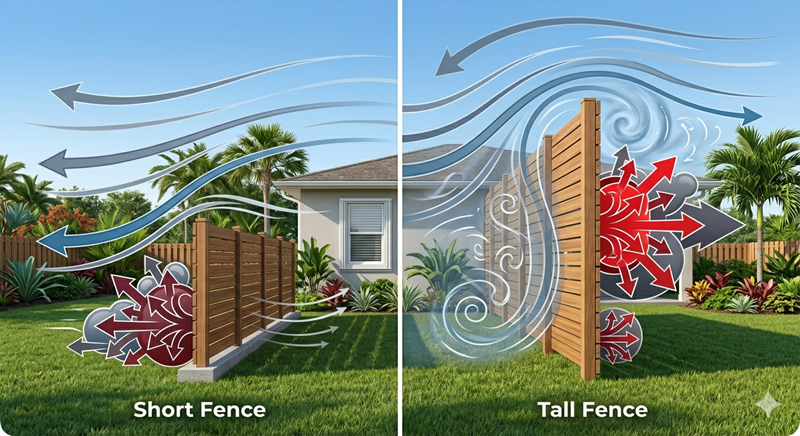
Taller fences experience greater pressure because they expose more surface area to moving air. In South Florida, six-foot privacy fences are common, but they must be properly reinforced to meet local requirements.
Factors that improve wind performance include:
- Deeper concrete footings
- Stronger posts
- Reduced panel width
- Reinforced gates
- Wind gaps between boards
A poorly anchored tall fence is far more likely to fail during severe weather.
The Importance of Professional Installation
Even high-quality materials can fail if installed incorrectly.
Fence posts are the foundation of wind resistance. In South Florida, contractors often install posts deeper than standard recommendations because sandy soil conditions can reduce stability during storms.
Proper installation typically includes:
- Deep concrete-set posts
- Corrosion-resistant fasteners
- Reinforced gate hardware
- Accurate spacing
- Compliance with local code requirements
This is one reason many homeowners specifically search for fence installation near me when planning storm-resistant upgrades. Local experience matters in hurricane-prone regions.
Do You Need a Permit for a Fence in South Florida?
In most South Florida cities and counties, yes.
Fence permits are commonly required before installation begins. Permit requirements may vary depending on:
- Fence height
- Material type
- Property location
- Pool safety rules
- HOA regulations
Local inspectors may also verify wind load compliance before approving the project.
Skipping permits can lead to fines, removal orders, or complications when selling your home later.
HOA Rules and Wind-Rated Fence Requirements
Many South Florida neighborhoods have homeowners associations with additional fencing guidelines.
These rules may regulate:
- Fence colors
- Heights
- Approved materials
- Placement
- Design style
Even if a fence meets city code requirements, HOA approval may still be necessary before installation begins.
Always confirm both municipal and HOA requirements before committing to a contractor or material choice.
Shared Fences and Storm Damage Responsibility
Fence ownership can become complicated after hurricanes, especially when neighbors share property-line fencing.
In some situations, repair responsibilities may be split between both homeowners. In others, ownership depends on permitting records, surveys, or prior agreements.
This guide on handling a shared fence in South Florida explains how repair costs and responsibilities are commonly handled after storm damage.
How to Improve Fence Wind Resistance
If you want your new fence to last longer in South Florida weather, several upgrades can improve durability significantly.
Choose Reinforced Posts
Metal-reinforced posts often provide far greater stability than hollow alternatives.
Reduce Wind Pressure
Adding spacing between pickets or selecting semi-private designs helps reduce direct wind force.
Use High-Quality Hardware
Rust-resistant brackets, hinges, and screws are essential in humid coastal environments.
Prioritize Proper Footings
Concrete depth and post anchoring play a major role in structural performance.
Schedule Regular Inspections
Small issues like loose hardware or leaning posts can worsen dramatically during storms if ignored.
Questions to Ask Before Hiring a Fence Contractor
Before signing a contract, ask potential installers these important questions:
Is the Fence Engineered for South Florida Wind Conditions?
Not every contractor specializes in hurricane-resistant installation methods.
Are Permits Included?
Some companies handle permitting while others leave it to the homeowner.
What Warranty Is Provided?
Ask about coverage for materials, workmanship, and storm-related damage limitations.
Are Reinforced Posts Included?
This can make a major difference in long-term durability.
Do They Understand Local HOA Requirements?
Experienced local contractors are usually familiar with neighborhood restrictions.
Choosing the Right Fence for Your Property
The best fence for your home depends on several factors, including privacy needs, maintenance preferences, budget, and storm exposure.
Homeowners near the coast may prioritize maximum wind performance, while inland neighborhoods might focus more on appearance and security.
If you’re still evaluating styles and materials, this resource explaining how to choose the right fence for privacy and style can help narrow down the best option for your property.
Final Thoughts
Installing a fence in South Florida involves more than choosing a color or material. Hurricane exposure and strict building standards make wind resistance one of the most important parts of the decision-making process.
A properly engineered and professionally installed fence can provide years of privacy, security, and curb appeal while standing up to severe weather conditions.
Before starting your project, make sure your fence meets local code requirements, uses durable materials, and is installed by professionals familiar with South Florida’s unique climate challenges. Investing in quality construction today can help prevent costly storm damage tomorrow.
FAQs
What wind speed should a South Florida fence withstand?
Most South Florida residential fences should handle approximately 120–180 mph wind speeds depending on location.
Are vinyl fences good for hurricane areas?
Yes, reinforced vinyl fencing systems can perform very well in hurricane-prone regions.
Do I need a permit to install a fence in South Florida?
Most cities and counties require permits before fence installation begins.
Which fence style handles wind best?
Semi-private and open-style fences usually perform better because they reduce wind pressure.
Can a privacy fence survive a hurricane?
Yes, if it is properly engineered, reinforced, and installed to local code standards.