

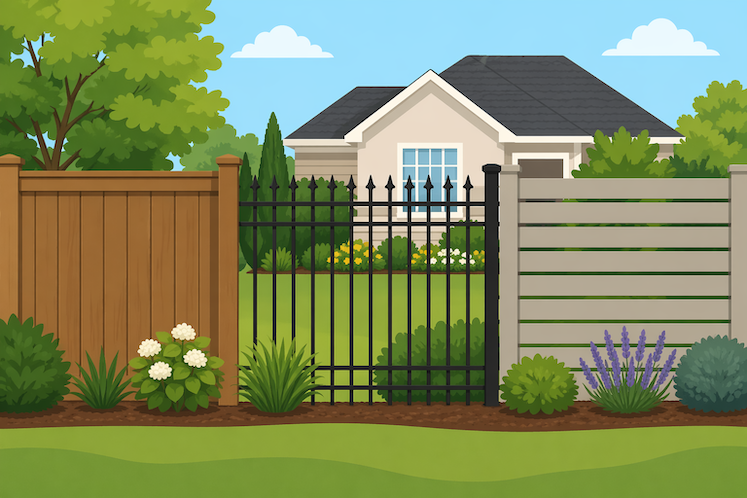
Choosing the right fence is about more than marking a property line. The best fence should solve a real need, whether that means creating more privacy, improving security, or giving your home a cleaner, more polished look. A well-planned fence installation can add comfort, define outdoor spaces, and improve curb appeal at the same time.
That is why fence selection should never be based on appearance alone. The right material, height, layout, and design all depend on how you want the fence to perform. Some homeowners want to block views from nearby neighbors. Others need a stronger barrier for children, pets, or added peace of mind. In many cases, style matters just as much as function, especially when the fence becomes a visible part of the home’s exterior.
In this guide, you will learn how to choose the right fence for privacy, security, or style without wasting money on the wrong option. From material comparisons to design priorities, this breakdown will help you make a smart decision that fits your home and your goals.
Start With the Main Purpose of Your Fence
Before comparing materials or colors, get clear on why you want a fence in the first place. That single decision will guide every choice that follows.
A privacy fence is designed to create separation. It helps reduce visibility into your yard, patio, or pool area. If your home sits close to neighbors or a busy road, privacy will likely be your top priority.
A security fence focuses more on protection and boundary control. It may help deter unwanted access, keep children or pets safer, and create a stronger sense of enclosure around the property.
A style-focused fence is meant to enhance the visual appeal of the home. It frames the landscape, complements the architecture, and gives the exterior a more finished appearance.
In many cases, homeowners want a combination of all three. That is completely normal. The key is to decide which goal matters most so you can choose a fence that performs well instead of trying to force one design to do everything equally.
How to Choose a Fence for Privacy
If privacy is the main reason for installing a fence, the most important features are height, panel spacing, and overall coverage.
Pick the Right Height
A short decorative fence will not do much for privacy. In most residential settings, a fence around six feet tall is the starting point for blocking views effectively. Some homeowners may want taller options depending on lot layout, local rules, and nearby structures.
Always check neighborhood guidelines and local code requirements before deciding on fence height. A taller fence may offer more privacy, but it still has to meet local standards.
Choose Minimal Gaps
Privacy depends on limiting visibility. That means choosing a fence style with little to no spacing between boards, panels, or slats.
Good privacy fence options often include:
-
Wood board-on-board fences
-
Vinyl privacy panels
-
Composite privacy fencing
-
Horizontal slat fences with tight spacing
If you want maximum coverage, avoid picket styles or ornamental metal designs with open gaps. They may look great, but they will not create the level of seclusion most homeowners expect.
Think About Noise and Wind Exposure
A privacy fence can also help reduce outside distractions, but not all materials perform the same way. Solid panels can soften some street noise and create a more enclosed feel. At the same time, they may catch more wind, which makes installation quality even more important.
That is one reason many homeowners look into long-term maintenance and structural durability before choosing a material. If you are dealing with storm wear or damage on an existing structure, learning how to repair broken posts can also help you understand what strong fence support should look like from the start.
How to Choose a Fence for Security
A fence built for security should feel strong, difficult to climb, and reliable over time. It should also match the specific level of protection you want without making the home feel harsh or unwelcoming.
Prioritize Strength and Durability
For security, the material matters a lot. A weak or aging fence may create the appearance of protection without offering much real resistance.
Popular security-oriented materials include:
Aluminum or Steel
Metal fencing offers strength, durability, and a clean look. Aluminum is rust-resistant and low-maintenance, while steel tends to be heavier and stronger. These are often used when homeowners want visibility plus security.
Vinyl
Vinyl can work for security if the panels are solid and the installation is done properly. It does not rot or attract termites, and it can hold up well with minimal maintenance.
Wood
Wood can also provide solid security, especially in taller privacy styles. However, it requires more upkeep over time to stay strong and stable.
Consider Visibility vs. Coverage
Some homeowners assume a solid fence is always more secure, but that depends on the setting. A fully enclosed fence provides privacy, but it can also reduce visibility from the street or from neighbors. In some cases, an open-style metal fence allows clearer sightlines while still establishing a strong boundary.
The right choice depends on whether you want concealment, visibility, or a balance of both.
Don’t Overlook Gates and Hardware
Even the best fence will underperform if the gate is weak. For true security, the gate should be just as sturdy as the fence itself. Pay attention to hinges, latch systems, lock options, and post stability.
A fence is only as strong as its weakest point, and in many installations, that weak point is the gate.
How to Choose a Fence for Style
If visual appeal matters most, your fence should complement the home rather than compete with it. The right design can make the yard feel more intentional and elevate the entire exterior.
Match the Architecture of the Home
A fence should feel connected to the house. A sleek horizontal design may look perfect with modern architecture, while a classic wood or ornamental fence may suit a more traditional home.
Think about your home’s lines, colors, and materials. The goal is not to copy them exactly, but to choose a fence that feels like it belongs there.
Use the Fence to Frame the Landscape
A stylish fence does more than stand on its own. It becomes part of the full outdoor design. The shape of the yard, the placement of plants, and the layout of pathways all affect how the fence will look once installed.
A simple fence can look high-end when it is paired with clean landscaping and the right proportions.
Decide How Bold You Want the Fence to Be
Some fences are meant to disappear into the background. Others are designed to stand out.
If you want the fence to act as a design feature, pay attention to:
-
Color contrast
-
Board orientation
-
Post caps and trim details
-
Decorative top panels
-
Material texture
If you prefer a more subtle result, neutral colors and simple lines usually work best.
Comparing the Most Popular Fence Materials
Material choice is where function, maintenance, and appearance all come together. Each option has strengths, and the best one depends on your priorities.
Wood Fencing
Wood remains one of the most popular choices because it is versatile and timeless. It works well for privacy, can be customized easily, and fits many home styles.
Pros:
-
Warm, natural appearance
-
Strong privacy potential
-
Easy to customize and paint or stain
Cons:
-
Requires regular maintenance
-
Can warp, rot, or attract pests over time
-
May need repairs sooner in humid climates
Vinyl Fencing
Vinyl is a strong choice for homeowners who want a clean look without constant upkeep. It is especially popular for privacy fencing.
Pros:
-
Low maintenance
-
Resists moisture and pests
-
Available in multiple styles and colors
Cons:
-
Higher upfront cost than some wood options
-
Less natural appearance
-
Can crack under heavy impact
Aluminum Fencing
Aluminum is often chosen for decorative boundaries and light security. It has a polished look and holds up well outdoors.
Pros:
-
Rust-resistant
-
Low maintenance
-
Elegant appearance
Cons:
-
Does not provide privacy
-
Less impact-resistant than steel
-
Limited visual coverage
Composite Fencing
Composite fencing combines recycled materials with a wood-like appearance. It is often chosen for durability and long-term value.
Pros:
-
Strong privacy performance
-
Lower maintenance than wood
-
Resists rot and insect damage
Cons:
-
Higher installation cost
-
Fewer customization options than wood
-
Heavier material may require expert installation
Important Practical Factors Homeowners Often Miss
It is easy to focus on looks and forget the installation realities that affect long-term satisfaction.
Climate and Weather
A fence that looks great on day one still needs to handle your local climate. In wet, humid, or storm-prone areas, durability becomes even more important. Material performance can vary significantly depending on moisture, heat, salt exposure, and wind.
Yard Slope and Soil Conditions
Not every yard is flat. If your property has uneven ground, the fence design may need to be adjusted to avoid awkward gaps or structural issues. Soil condition also matters because post stability affects the entire installation.
Maintenance Expectations
Be honest about how much upkeep you are willing to handle. Some homeowners love the look of wood but do not want the ongoing sealing, staining, or repair work. Others are happy to trade a slightly higher upfront cost for a low-maintenance option like vinyl or composite.
Budget Beyond the Initial Price
Fence cost is not just about materials. It includes labor, site prep, gates, hardware, removal of existing fencing, and future maintenance. A cheaper installation can become more expensive over time if it needs frequent repair or early replacement.
Balancing Privacy, Security, and Style
Most homeowners do not want just one benefit. They want a fence that looks good, protects the property, and creates a more private outdoor space.
The smart approach is to rank your priorities.
If privacy comes first, choose solid panels and the right height, then work style into the finish and layout.
If security comes first, focus on strength, gate hardware, and structural integrity, then select a design that still fits the home.
If style comes first, make sure the fence still provides enough function for your daily needs.
A balanced fence is usually the result of thoughtful planning, not guesswork. That is why getting expert input early can save money and prevent design regret later. If you are ready to compare options for your property, you can get your quote and see what type of fence makes the most sense for your home, layout, and goals.
Signs You’ve Found the Right Fence
A good fence decision should feel practical, not just attractive. You have likely found the right option if it checks these boxes:
It Solves the Real Problem
Whether the issue is lack of privacy, safety concerns, or weak curb appeal, the fence should directly address that need.
It Fits the Home
The right fence should feel like part of the property, not an afterthought. It should support the style of the house and improve the overall look of the yard.
It Matches Your Maintenance Comfort Level
A fence that looks great but demands more upkeep than you can realistically give will become a headache. The right choice should be sustainable for your lifestyle.
It Offers Long-Term Value
The best fence is not always the cheapest. It is the one that performs well, lasts, and still looks good years after installation.
Conclusion
Choosing the right fence for privacy, security, or style comes down to understanding your priorities before you choose a material or design. A fence should do more than fill a boundary line. It should make your property feel safer, more comfortable, and more complete.
Privacy fences work best when height and coverage are the focus. Security fences need strength, stability, and dependable access points. Style-driven fences should complement the home while still delivering practical value. When those priorities are clear, the decision becomes much easier.
The most successful fence installations are the ones that balance appearance with performance. If you take the time to think through your needs, compare materials honestly, and choose a design that fits your property, you will end up with a fence that looks right and works hard for years to come.
FAQ
What type of fence is best for privacy?
A solid-panel fence is usually best for privacy. Wood, vinyl, and composite privacy fences are popular choices because they reduce visibility and create a more enclosed outdoor space.
What fence material is best for security?
Aluminum, steel, vinyl, and well-built wood fences can all work for security. The best choice depends on whether you want visibility, full coverage, or a mix of both.
Is wood or vinyl better for a residential fence?
Wood offers a more natural look and more design flexibility, while vinyl is easier to maintain and holds up well against moisture and pests. The better option depends on your budget, style preferences, and maintenance expectations.
How tall should a privacy fence be?
In many residential properties, six feet is a common height for privacy fencing. Local regulations and HOA guidelines may affect what is allowed, so it is important to check before installation.
Does a stylish fence still need to be functional?
Yes. A fence should always meet the practical needs of the property, even when style is the main focus. The best-looking fence is one that also performs well over time.