
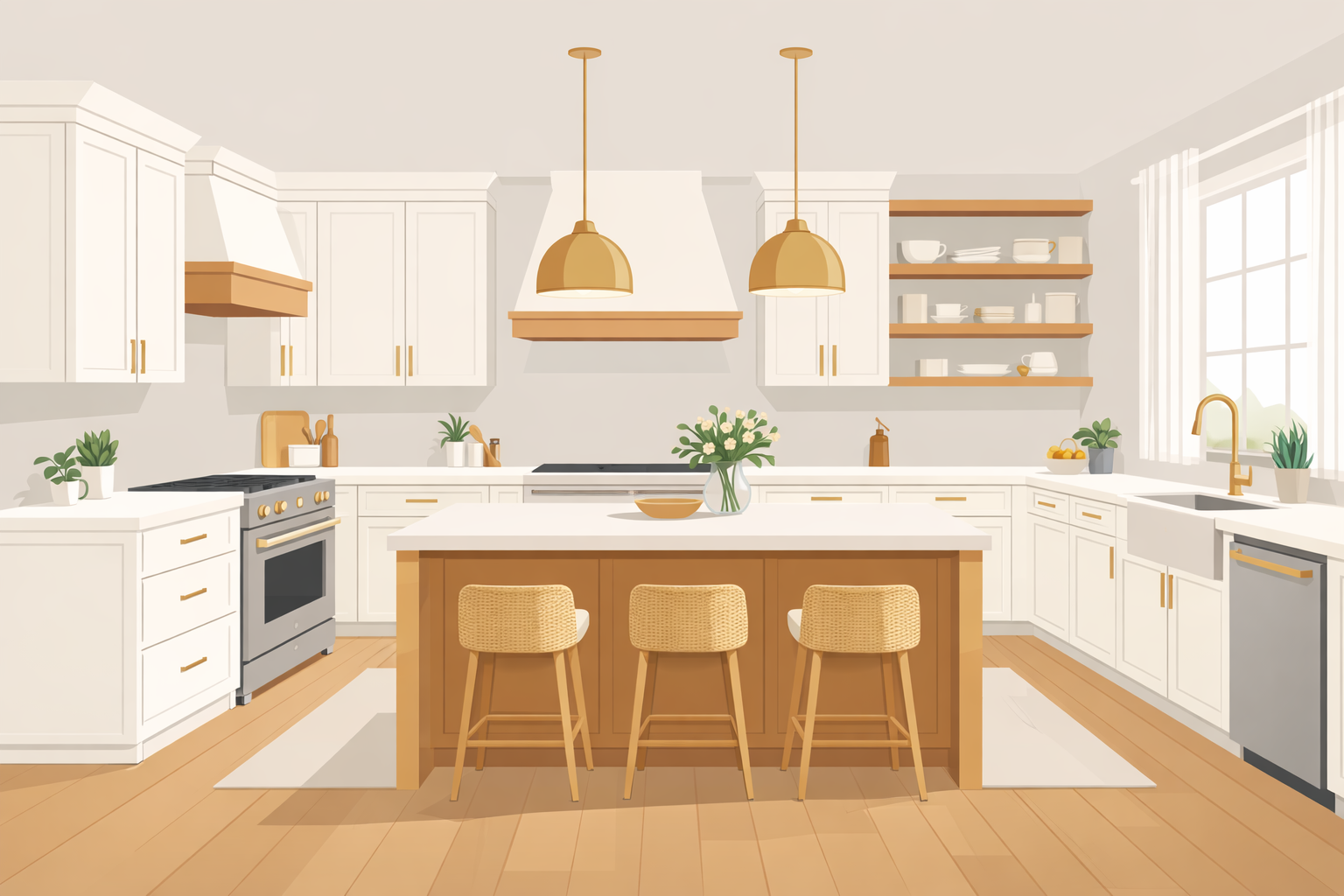
Designing a kitchen is one of the most exciting — and expensive — decisions you’ll make in your home. It’s also one of the easiest places to get caught between what looks amazing right now and what will still feel right years down the line. The balance between timeless and trendy kitchen design is where smart homeowners win.
If you’re planning a remodel, this guide will help you make confident, stylish choices that won’t age poorly — while still leaving room for personality and modern appeal.
Why Timeless Design Matters More Than Ever
Kitchen renovations are not something most people redo every few years. Unlike decor trends you can swap out easily, cabinetry, countertops, and layouts are long-term investments.
A timeless kitchen:
-
Maintains value over time
-
Appeals to a wider audience
-
Feels fresh even after a decade
-
Reduces the need for costly updates
That doesn’t mean your kitchen should feel boring or outdated. It means choosing a strong foundation that can evolve with smaller, trend-driven updates.
Understanding Timeless vs. Trendy Design
Before diving into specific elements, it helps to clearly define the difference.
What Makes a Kitchen “Timeless”?
Timeless kitchens rely on:
-
Neutral color palettes
-
Simple, clean lines
-
Functional layouts
-
Quality materials
These designs don’t scream a specific era. Instead, they feel adaptable and enduring.
What Defines “Trendy” Design?
Trendy kitchens often include:
-
Bold colors or finishes
-
Unique or experimental layouts
-
Statement fixtures
-
Popular materials that may fade quickly
Trends aren’t bad — they just need to be used strategically.
The Foundation: Layout and Functionality
A kitchen that functions well will always outlast one that simply looks good.
Prioritize the Work Triangle
The relationship between the sink, stove, and refrigerator should feel intuitive. This classic layout principle has lasted for decades because it works.
Avoid Overly Complex Layout Trends
Open shelving walls, hidden kitchens, or ultra-minimalist designs can look stunning but may not be practical long-term. Always ask: will this still make sense in five years?
Cabinets: The Backbone of Your Kitchen
Cabinetry takes up the most visual and physical space in your kitchen, making it a critical decision.
Timeless Cabinet Choices
-
Shaker-style cabinets
-
Flat-panel designs in neutral tones
-
White, off-white, soft gray, or natural wood finishes
These options remain consistently popular because they adapt easily to changing styles.
Trendy Cabinet Risks
-
Ultra-dark matte finishes
-
Bold colors like navy, forest green, or black
-
Highly decorative door styles
These can work beautifully — but often feel dated faster.
If you’re torn, consider using trendy colors on a kitchen island while keeping perimeter cabinets classic.
Countertops: Where Style Meets Durability
Countertops need to balance aesthetics with performance.
Safe, Timeless Materials
-
Quartz in neutral tones
-
Marble with subtle veining
-
Light granite surfaces
These materials offer longevity both visually and functionally.
Trendy Countertop Features
-
Waterfall edges
-
Dramatic veining patterns
-
Ultra-thin slab profiles
These can look stunning today but may not age as gracefully.
Backsplash: A Perfect Place for Trends
If there’s one area where you can safely experiment, it’s your backsplash.
Why? Because it’s relatively easy to update compared to cabinets or countertops.
For inspiration, exploring a well-planned kitchen backsplash can help you balance personality with longevity.
Timeless Options
-
Subway tiles
-
Natural stone
-
Simple geometric patterns
Trend-Forward Choices
-
Bold patterns
-
Metallic finishes
-
Colored grout
Use trendy elements here if you want visual interest without long-term commitment.
Lighting: Blend Function and Style
Lighting is both practical and decorative, making it a great area to mix timeless and trendy elements.
Timeless Lighting Choices
-
Recessed ceiling lights
-
Under-cabinet lighting
-
Simple pendant designs
Where Trends Shine
Modern pendant lights are one of the easiest ways to introduce modern flair and can instantly update your space without locking you into a long-term design commitment.
Color Schemes That Age Gracefully
Color plays a huge role in how long your kitchen design will feel relevant.
Timeless Color Palettes
-
Whites and creams
-
Soft grays
-
Warm neutrals
-
Natural wood tones
These colors create a clean canvas that works with evolving styles.
Trendy Color Risks
-
Bright accent colors
-
Dark monochromatic schemes
-
High-contrast combinations
If you love bold colors, incorporate them through decor, paint, or accessories instead of permanent elements.
Flooring: Keep It Classic
Kitchen floors endure heavy traffic, spills, and wear — making durability and timelessness essential.
Best Long-Term Choices
-
Hardwood flooring
-
Porcelain tiles in neutral tones
-
Natural stone
Trends to Approach Carefully
-
Patterned tiles
-
Ultra-light or ultra-dark finishes
-
Vinyl imitations of trendy materials
These styles can feel dated faster and may not appeal to future buyers.
Appliances: Hidden vs Statement
Appliances have shifted from purely functional to design-driven features.
Timeless Approach
-
Stainless steel finishes
-
Integrated appliances
-
Clean, minimal profiles
Trendy Direction
-
Colored appliances
-
Smart tech-heavy displays
-
Industrial-style oversized units
Technology evolves quickly, so avoid overcommitting to features that may become obsolete.
Hardware: Small Details, Big Impact
Cabinet hardware is one of the easiest and most affordable ways to update your kitchen over time.
Timeless Hardware
-
Brushed nickel
-
Polished chrome
-
Simple bar pulls
Trendy Hardware
-
Matte black
-
Brass or gold finishes
-
Oversized or unique shapes
Because hardware is easy to replace, this is a great place to experiment.
Mixing Timeless and Trendy the Right Way
The smartest kitchens combine both approaches.
Follow the 80/20 Rule
-
80% timeless elements (cabinets, layout, flooring)
-
20% trendy accents (lighting, hardware, decor)
This balance ensures your kitchen feels current without becoming outdated quickly.
Style Direction: Modern vs Traditional
Choosing a core style can help guide all your decisions.
If you’re unsure which direction to take, understanding the differences between modern traditional kitchen styles can help clarify your vision.
Modern Kitchens
-
Clean lines
-
Minimal ornamentation
-
Sleek materials
Traditional Kitchens
-
Decorative details
-
Warm finishes
-
Classic design elements
Blending the two often creates the most timeless result.
Budget Smart: Invest Where It Counts
Not all kitchen elements should be treated equally when it comes to budgeting.
Spend More On
-
Cabinets
-
Countertops
-
Layout improvements
Save On
-
Hardware
-
Lighting fixtures
-
Backsplash
This strategy lets you update your kitchen over time without major renovations.
Common Mistakes to Avoid
Even with the best intentions, it’s easy to make design choices that don’t age well.
Overcommitting to Trends
What looks amazing on social media today may feel outdated in just a few years.
Ignoring Functionality
A beautiful kitchen that doesn’t work well will quickly become frustrating.
Mixing Too Many Styles
Consistency is key. Too many competing design elements can make your kitchen feel chaotic.
When to Go Trendy (Yes, Sometimes You Should)
Trends aren’t the enemy — they just need to be used wisely.
Go bold when:
-
You’re designing a smaller kitchen or secondary space
-
You plan to update frequently
-
You want to express personal style
Just keep major investments grounded in timeless design principles.
Bringing It All Together
Creating a kitchen that won’t date comes down to balance. Focus on strong, timeless foundations — then layer in trends through elements that are easy to update.
If you’re planning a remodel and want expert guidance, getting a professional kitchen remodel estimate can help you make informed decisions that align with both your style and budget.
Final Thoughts
A well-designed kitchen doesn’t chase trends — it outlasts them. By combining classic elements with thoughtful modern touches, you can create a space that feels fresh today and still works beautifully years from now.
The goal isn’t to avoid trends completely — it’s to use them strategically. That’s what separates a kitchen that looks good for a moment from one that truly stands the test of time.