
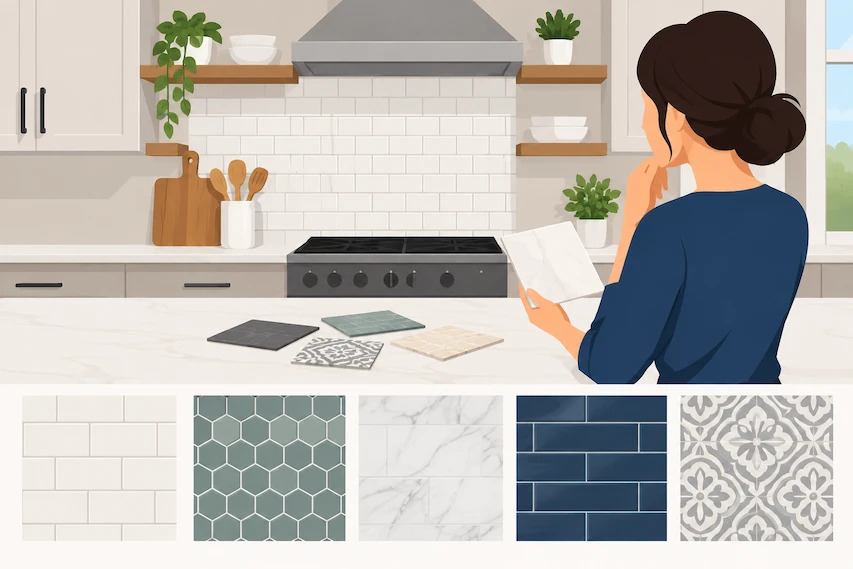
A kitchen backsplash might seem like a small detail, but it plays a huge role in both the look and functionality of your space. It protects your walls from spills and splashes while also serving as a key design element that ties your entire kitchen together.
If you’re planning a kitchen renovation or simply updating your space, choosing the right backsplash can feel overwhelming. With so many materials, colors, and patterns available, it’s easy to get stuck between style and practicality.
This guide will walk you through everything you need to know—from materials and design tips to budget considerations—so you can confidently choose the perfect kitchen backsplash for your home.
Why Your Kitchen Backsplash Matters
A backsplash isn’t just decorative—it’s functional.
It protects your walls from grease, water, and cooking stains, especially behind the stove and sink. But beyond that, it’s one of the first things people notice when they walk into your kitchen.
A well-chosen backsplash can:
-
Elevate the overall design
-
Add personality to your kitchen
-
Increase your home’s value
-
Tie together cabinets, countertops, and flooring
Whether you’re going modern, traditional, or something in between, your backsplash helps define the space.
Start with Your Kitchen Style
Before choosing colors or materials, take a step back and look at your kitchen as a whole.
Your backsplash should complement your overall design—not compete with it.
Modern Kitchens
Modern kitchens often feature clean lines, neutral tones, and minimal design. A simple subway tile, glass backsplash, or slab backsplash works well here.
If you’re still exploring design directions, this breakdown of modern vs traditional kitchen styles can help you better understand how your backsplash fits into the bigger picture.
Traditional Kitchens
Traditional kitchens lean toward warmth and detail. Natural stone, ceramic tiles, and intricate patterns often work best.
Transitional Kitchens
A mix of both styles allows for more flexibility. You can pair classic tiles with modern layouts or use subtle textures for balance.
Choosing the Right Backsplash Material
Material selection is one of the most important decisions you’ll make. Each option has its own look, durability, and maintenance level.
Ceramic and Porcelain Tiles
These are the most popular choices—and for good reason.
-
Affordable and widely available
-
Easy to clean and maintain
-
Available in endless colors and patterns
Perfect for homeowners who want versatility without breaking the budget.
Glass Backsplash
Glass offers a sleek, reflective finish that brightens up the kitchen.
-
Ideal for modern spaces
-
Easy to wipe clean
-
Resistant to stains and moisture
However, it may show fingerprints and smudges more easily.
Natural Stone
Materials like marble, granite, or travertine bring a luxurious and timeless feel.
-
Unique patterns and textures
-
High-end appearance
-
Adds value to your home
Keep in mind that natural stone requires sealing and regular maintenance.
Stainless Steel
A popular option in contemporary and industrial kitchens.
-
Extremely durable
-
Heat and water resistant
-
Easy to clean
This material is often used behind stoves for a professional look.
Slab Backsplash
Instead of tiles, some homeowners choose a solid slab of quartz or granite.
-
Seamless and modern appearance
-
Minimal grout lines
-
Easy maintenance
This option creates a clean, high-end finish.
How to Pick the Right Color
Color can make or break your backsplash.
Match or Contrast?
You have two main approaches:
-
Match your backsplash with cabinets or countertops for a cohesive look
-
Contrast it to create a focal point
For example, white cabinets with a dark backsplash create strong visual interest.
Consider Lighting
Natural and artificial lighting will affect how your backsplash looks throughout the day.
Lighter colors reflect light and make the space feel bigger, while darker tones add depth and drama.
Think Long-Term
Trendy colors may look great now but could feel outdated later. Neutral tones tend to age better and appeal to future buyers.
Pattern and Layout Options
The layout of your backsplash tiles can dramatically change the look of your kitchen.
Classic Subway Pattern
Simple and timeless, this pattern works in almost any kitchen style.
Herringbone
Adds movement and sophistication without overwhelming the space.
Vertical Stack
A modern twist that makes ceilings appear taller.
Mosaic Designs
Great for adding personality and detail, especially in small areas.
Budget Considerations
Backsplashes can range from budget-friendly to high-end, depending on materials and installation.
If you’re trying to save money, there are smart ways to upgrade your kitchen without a full renovation. These cost-effective kitchen upgrade ideas can help you achieve a fresh look while staying within budget.
Maintenance and Cleaning
Your backsplash should be easy to maintain, especially in high-use areas.
Low-Maintenance Options
-
Glass
-
Ceramic tile
-
Stainless steel
Higher Maintenance Options
-
Natural stone (requires sealing)
-
Textured tiles (can trap grease and dirt)
Choosing the right material will save you time and effort in the long run.
Should You DIY or Hire a Professional?
Installing a backsplash might look simple, but it requires precision—especially when dealing with cuts, alignment, and grout lines.
A professional ensures:
-
Proper installation
-
Clean, even finishes
-
Long-lasting durability
Before hiring, it’s worth reviewing what to ask and expect when working with a contractor can help you avoid costly mistakes.
When to Upgrade Your Backsplash
If your kitchen feels outdated or lacks cohesion, updating the backsplash is one of the easiest ways to refresh the space.
You should consider upgrading if:
-
Tiles are cracked or stained
-
The design feels outdated
-
You’re renovating cabinets or countertops
-
You want to increase home value
Even a small change can have a big visual impact.
Bringing It All Together
Choosing the perfect kitchen backsplash comes down to balancing style, function, and budget.
Start by understanding your kitchen’s overall design. Then choose materials and colors that complement—not compete with—your cabinets and countertops. Finally, consider long-term maintenance and durability to ensure your investment lasts.
If you’re planning a full renovation or want expert guidance, getting professional input can make the process much smoother.
A well-chosen backsplash doesn’t just protect your walls—it completes your kitchen.