
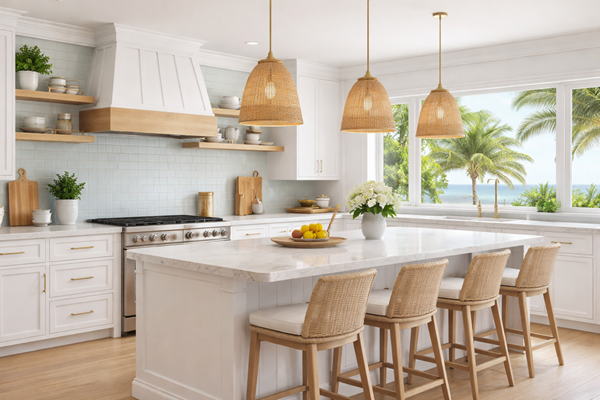
Designing a South Florida–style kitchen is all about capturing that effortless blend of coastal charm, open-air brightness, and modern elegance. One of the most impactful ways to elevate this aesthetic is through thoughtfully chosen lighting—especially pendant fixtures that bring both function and personality into the space.
If you’re planning to upgrade your kitchen or completely transform it, selecting the right lighting can make a dramatic difference. From breezy coastal vibes to sleek contemporary touches, pendant lighting helps define your kitchen’s character while enhancing usability.
In this guide, we’ll walk through everything you need to know about choosing modern pendant lights for kitchen spaces inspired by South Florida living—so you can create a space that feels both stylish and inviting.
Why Pendant Lighting Works So Well in South Florida Kitchens
South Florida kitchens are known for their bright, airy feel and seamless indoor-outdoor flow. Natural light plays a big role, but artificial lighting needs to complement it—especially during evenings or cloudy days.
Pendant lighting fits perfectly into this design philosophy because it:
- Adds focused lighting exactly where you need it
- Enhances visual appeal without overwhelming the space
- Works beautifully with open layouts and kitchen islands
- Complements coastal, tropical, and modern design elements
Unlike bulky fixtures, pendants feel light and intentional—perfect for maintaining that breezy Florida aesthetic.
Understanding the Role of Kitchen Lighting
Before diving into styles and finishes, it’s important to understand how lighting functions in your kitchen.
Layered Lighting Is Key
A well-designed kitchen uses three types of lighting:
- Ambient lighting for overall brightness
- Task lighting for food prep and cooking
- Accent lighting for style and depth
Pendant lights typically serve as task and accent lighting, especially when placed over islands or countertops.
Placement Matters More Than You Think
Strategic placement ensures both functionality and aesthetics. Poor placement can lead to shadows or uneven lighting, while proper positioning enhances workflow and highlights key features.
Choosing the Right Pendant Style for a Coastal Look
South Florida kitchens often lean toward a relaxed yet refined look. Your pendant lighting should reflect that balance.
1. Glass Pendants for an Airy Feel
Clear or frosted glass pendants are a popular choice because they:
- Allow light to flow freely
- Maintain visual openness
- Pair well with white cabinetry and natural textures
They’re ideal if you want a clean, uncluttered look.
2. Woven and Natural Materials
Rattan, bamboo, and wicker pendants bring warmth and texture—perfect for coastal interiors.
These materials:
- Add a tropical vibe
- Soften modern elements
- Work beautifully with wood accents and neutral tones
3. Minimalist Metal Designs
For a more contemporary take, opt for sleek metal finishes like brushed nickel, matte black, or brass.
These designs:
- Offer a polished, modern aesthetic
- Blend well with stainless steel appliances
- Add contrast in lighter kitchens
How to Size Pendant Lights Correctly
Choosing the right size is crucial for both style and functionality.
General Sizing Guidelines
- Small pendants: 6–10 inches wide
- Medium pendants: 10–20 inches wide
- Large pendants: 20+ inches wide
For kitchen islands, a common approach is:
- Two pendants for smaller islands
- Three pendants for standard-sized islands
- Even spacing between fixtures (typically 24–30 inches apart)
When selecting kitchen lights over island areas, balance is everything—too small looks underwhelming, too large feels overpowering.
Height and Spacing Tips for Perfect Placement
Improper height can ruin the look of even the most beautiful pendant lights.
Ideal Hanging Height
- 30–36 inches above the countertop
- Adjust slightly based on ceiling height
Spacing Between Pendants
- Keep at least 24 inches between each fixture
- Maintain equal distance from island edges
These small adjustments make a big difference in achieving a polished, professional look.
Color Temperature and Bulb Selection
Lighting isn’t just about fixtures—the bulb you choose affects the entire atmosphere.
Warm vs Cool Lighting
- Warm light (2700K–3000K): Cozy, inviting, perfect for residential kitchens
- Cool light (3500K–4100K): Brighter and more clinical
For South Florida kitchens, warm lighting typically works best to enhance that relaxed, welcoming feel.
Matching Pendant Lights to Your Kitchen Style
Your lighting should complement your overall design—not compete with it.
If you’re still deciding on your kitchen style, exploring ideas like modern vs traditional kitchens can help you define your direction before choosing fixtures.
Coastal Modern
- Clean lines with natural textures
- Neutral palette with subtle pops of color
- Glass or light wood pendants work best
Transitional Style
- Blend of classic and modern elements
- Balanced use of metals and natural materials
- Medium-sized pendants with simple designs
Tropical Contemporary
- Bold textures with sleek finishes
- Mix of organic and modern elements
- Statement pendants can shine here
Budget Considerations and Cost Expectations
Lighting can vary widely in price depending on design, material, and brand.
What Influences Cost?
- Material (glass, metal, woven fibers)
- Size and complexity
- Brand and craftsmanship
- Installation requirements
While researching pendant lights for kitchen costs, you’ll find options ranging from budget-friendly to high-end designer pieces. The key is finding a balance between quality and style.
Pairing Pendant Lights with Countertops and Finishes
Lighting doesn’t exist in isolation—it should complement your countertops, cabinets, and finishes.
For example:
- Light countertops pair well with darker fixtures for contrast
- Bold countertops benefit from simpler lighting
If you’re debating materials, this guide on granite vs quartz countertops can help you align your lighting choices with your surfaces.
Small Upgrades That Make a Big Impact
You don’t always need a full renovation to upgrade your kitchen lighting.
Simple changes can include:
- Swapping outdated fixtures for modern pendants
- Updating bulbs for better color temperature
- Repositioning lights for improved functionality
If you’re looking for budget-friendly upgrades, check out the cheapest ways to make your kitchen look new for additional ideas that pair well with lighting improvements.
Common Mistakes to Avoid
Even with great design inspiration, it’s easy to make a few missteps.
1. Choosing Style Over Function
A beautiful pendant that doesn’t provide enough light won’t serve your needs.
2. Ignoring Scale
Fixtures that are too small or too large can throw off the entire design.
3. Poor Placement
Incorrect spacing or height leads to uneven lighting and visual imbalance.
4. Overcrowding the Space
Too many pendants can make the kitchen feel cluttered instead of elegant.
When to Consider a Full Kitchen Remodel
Sometimes, lighting upgrades reveal bigger opportunities for improvement.
If your kitchen layout feels outdated or inefficient, it might be time to take the next step and remodel your kitchen.
A full remodel allows you to:
- Reconfigure layout for better flow
- Upgrade lighting infrastructure
- Integrate modern design elements seamlessly
Lighting is often just the beginning of a much larger transformation.
Last Focus
Modern pendant lighting plays a central role in defining the look and feel of a South Florida–style kitchen. It’s more than just illumination—it’s a design statement that ties together your entire space.
By choosing the right style, size, and placement, you can create a kitchen that feels open, stylish, and perfectly suited to coastal living. Whether you’re making small updates or planning a full renovation, thoughtful lighting decisions will always pay off.