

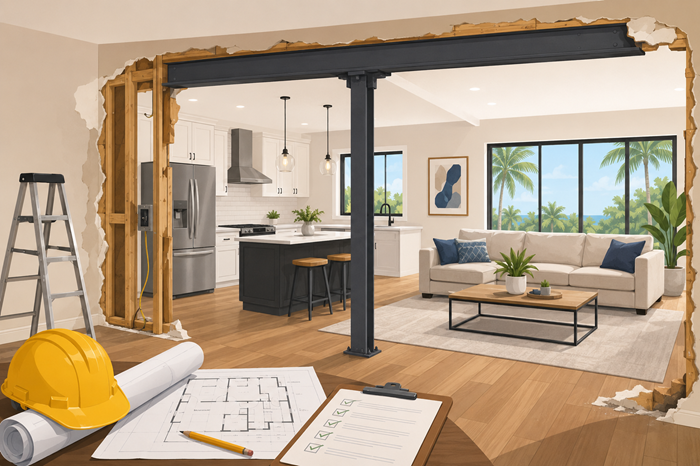
Tearing down a wall can completely transform the way a home looks and functions. Open floor plans, larger kitchens, brighter living areas, and better traffic flow are some of the biggest reasons homeowners across South Florida are investing in remodeling projects. But before the first hammer swings, there’s one critical step many people overlook: understanding permits and local regulations.
In South Florida, removing walls without proper approvals can quickly lead to fines, failed inspections, insurance complications, and costly structural repairs. Whether you are planning a full renovation or simply updating your layout, knowing the rules ahead of time can save time, money, and major stress.
This guide explains what homeowners in Miami, Fort Lauderdale, West Palm Beach, and surrounding areas need to know before starting demolition work. From permits and inspections to contractor requirements and structural concerns, here’s how to approach your project the right way.
Why Wall Removal Requires More Planning Than Most Homeowners Expect
Many homeowners assume that interior demolition is straightforward. If a wall is inside the house, it must be safe to remove — right? Not always.
Some walls support the structural load of the roof or upper floors. Others may contain plumbing, electrical wiring, HVAC ductwork, or gas lines. South Florida homes also face unique building code requirements because of hurricane exposure, flood zones, and strict municipal regulations.
That’s why experienced contractors never begin demolition without evaluating the structure first. In many cases, what seems like a simple cosmetic update becomes a carefully engineered project.
This is also where working with professionals who specialize in interior renovations becomes especially important. They understand local code enforcement procedures and can identify issues before they become expensive surprises.
Understanding Structural vs. Non-Structural Walls
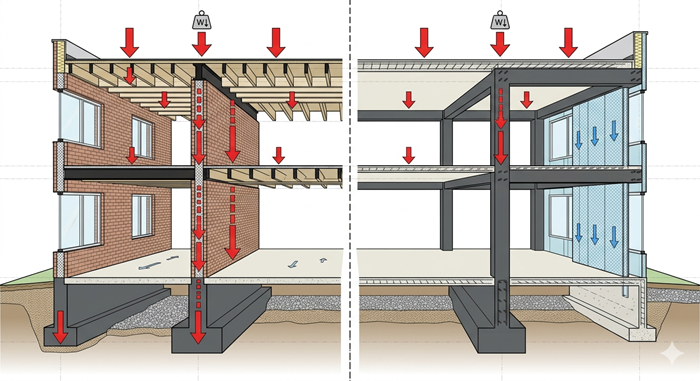
Before removing any wall, homeowners need to know whether it is load-bearing.
What Is a Load-Bearing Wall?
A load-bearing wall supports part of the home’s structural weight. Removing it without reinforcement can compromise the integrity of the property.
Signs a wall may be load-bearing include:
- It runs perpendicular to floor joists
- It sits directly beneath another wall upstairs
- It supports roof framing
- It contains beams or columns
- It is located near the center of the home
Even experienced DIY homeowners can misidentify structural walls, which is why inspections matter.
What Happens If You Remove One Incorrectly?
Improper removal can cause:
- Ceiling sagging
- Cracked drywall
- Uneven flooring
- Structural instability
- Roof stress
In severe cases, the damage may require extensive reconstruction.
This is why many South Florida municipalities require engineering plans before approving demolition permits.
South Florida Permit Requirements Explained
Permit rules vary slightly between cities and counties, but most South Florida jurisdictions require permits for structural modifications.
When Is a Permit Required?
You will usually need permits for:
- Removing load-bearing walls
- Relocating plumbing
- Electrical rewiring
- HVAC modifications
- Window or door resizing
- Structural beam installation
Even smaller layout changes may trigger permit requirements depending on the scope of work.
Why Permits Matter
Permits protect homeowners by ensuring renovations meet modern safety standards. They also create a documented history of approved improvements, which becomes important during resale.
Skipping permits can create problems later when buyers, inspectors, or insurance companies request renovation records.
Homeowners considering shortcuts should understand the risks involved when you renovate without permits. In many cases, cities can issue stop-work orders, require demolition of completed work, or impose financial penalties.
How the Permit Process Works in South Florida
The permitting process may seem intimidating at first, but it becomes manageable once you understand the steps.
Step 1: Initial Evaluation
A contractor or structural engineer evaluates the home to determine whether the wall is load-bearing and what systems are affected.
Step 2: Architectural or Engineering Plans
If structural changes are involved, plans are usually required. These documents show how the wall will be removed and how the structure will remain supported.
Step 3: Permit Submission
Applications are submitted to the local building department. Depending on the municipality, approvals may take anywhere from several days to a few weeks.
Step 4: Inspections
Inspectors review the project at different stages to verify code compliance.
Step 5: Final Approval
Once all inspections pass, the city closes the permit and records the completed work.
The timeline varies based on project complexity, contractor scheduling, and local review backlogs.
Common South Florida Code Considerations
South Florida building regulations are stricter than many other parts of the country due to weather exposure and regional safety concerns.
Hurricane Resistance Standards
Structural changes must maintain the home’s wind resistance capabilities. Removing walls improperly can weaken the overall structure during storms.
Electrical Code Updates
Older homes often require electrical upgrades during renovations to meet current safety codes.
Plumbing Relocation Rules
If sinks, appliances, or bathrooms are moved during remodeling, plumbing permits and inspections are typically mandatory.
Condominium and HOA Regulations
Many South Florida condos require board approval before interior demolition begins. Noise restrictions, contractor insurance requirements, and working hour limitations are also common.
Choosing the Right Contractor Matters
Not all contractors approach permitting the same way.
Some homeowners are tempted to hire unlicensed workers to save money, especially for interior demolition. Unfortunately, that decision often leads to larger expenses later.
Licensed contractors understand local code requirements and maintain the insurance coverage necessary to protect homeowners during construction.
When researching home remodel contractors, ask questions like:
- Who handles permits?
- Are engineering plans included?
- How many similar projects have you completed?
- What inspections will be required?
- Are you licensed and insured in Florida?
A reputable contractor should answer these questions clearly and transparently.
The Real Cost of Wall Removal
Wall removal costs vary widely depending on the structure and systems involved.
Factors That Affect Pricing
Several elements influence project costs:
- Structural reinforcement needs
- Beam installation
- Electrical relocation
- Plumbing rerouting
- Permit fees
- Engineering plans
- Drywall and finishing work
Non-load-bearing wall removal may cost a few thousand dollars, while major structural openings can climb significantly higher.
Some homeowners are surprised when initial bids vary dramatically. That often happens because certain contractors provide incomplete estimates upfront. Understanding how remodeling quotes are structured can help homeowners compare proposals more accurately and avoid hidden expenses later.
Timeline Expectations for Wall Removal Projects
One of the most common homeowner questions is: “How long will this take?”
The answer depends on the project scope and permitting requirements.
Typical Project Timeline
Here’s a general breakdown:
Planning and Design
1–3 weeks
Permit Approval
Several days to multiple weeks
Demolition and Structural Work
2–7 days
Electrical, Plumbing, and HVAC Adjustments
Several days
Finishing and Inspections
1–2 weeks
Larger remodels naturally take longer, especially if multiple rooms are involved.
Proper planning is essential for successful home renovation projects, particularly when structural changes affect daily living spaces.
Hidden Issues Often Found During Demolition
Once walls are opened, contractors sometimes discover unexpected problems hidden behind drywall.
Common discoveries include:
- Outdated wiring
- Plumbing leaks
- Mold damage
- Improper framing
- Termite damage
- Previous unpermitted work
Older South Florida homes are especially prone to hidden moisture issues because of humidity and storm exposure.
While surprises can increase costs, uncovering these issues during renovation is usually safer than leaving them undetected.
Should You DIY Wall Removal?
For cosmetic demolition, some homeowners consider doing the work themselves. However, structural wall removal is rarely a safe DIY project.
Improper demolition can create major safety hazards and may void insurance coverage if damage occurs.
Even if a homeowner has construction experience, local permitting rules still apply. Municipalities often require licensed professionals for structural, electrical, or plumbing work.
In most cases, hiring experienced professionals is the safer and more cost-effective long-term decision.
What to Ask Before Hiring a Contractor
Choosing the right remodeling team is one of the most important parts of the process.
Questions Every Homeowner Should Ask
Will You Pull the Permits?
Licensed contractors should handle this directly.
Do You Work With Structural Engineers?
Complex projects typically require engineering approval.
What Happens If Inspections Fail?
Experienced contractors should explain how corrections are handled.
Are You Familiar With Local South Florida Codes?
Local experience matters because regulations differ between municipalities.
Can You Provide References?
Recent project examples help verify quality and professionalism.
Searching online for “home remodel companies near me” may generate dozens of results, but reputation, licensing, communication, and local expertise matter far more than flashy advertising.
How Wall Removal Can Increase Home Value
When done correctly, opening up a floor plan can significantly improve resale appeal.
Today’s buyers often prioritize:
- Open kitchens
- Better natural light
- Flexible gathering spaces
- Modern layouts
- Improved sightlines
Well-executed structural remodeling can make older homes feel newer and more functional.
However, buyers and inspectors also pay close attention to permits and documentation. Properly permitted work protects both property value and future resale opportunities.
Final Thoughts
Removing walls can completely reshape a home’s functionality and appearance, but it is never just a demolition project. In South Florida, structural regulations, hurricane codes, permit requirements, and inspection standards all play an important role in how renovations are planned and completed.
The most successful projects start with careful preparation, qualified professionals, and realistic expectations. By understanding the permit process and working with experienced experts, homeowners can avoid delays, protect their investment, and create safer, more beautiful living spaces.
Before beginning any demolition work, take the time to verify permits, confirm structural requirements, and choose licensed professionals who understand South Florida regulations inside and out.
FAQs
Do I need a permit to remove an interior wall in South Florida?
Yes, permits are usually required if the wall is structural or affects electrical, plumbing, or HVAC systems.
Can I remove a load-bearing wall myself?
It is not recommended because structural errors can create serious safety risks.
How long does the permit process take?
Approval timelines vary by municipality but typically range from several days to a few weeks.
Will removing walls increase home value?
Open floor plans often improve buyer appeal and resale value when completed professionally.
What happens if renovations are completed without permits?
Homeowners may face fines, failed inspections, and difficulties during future property sales.