

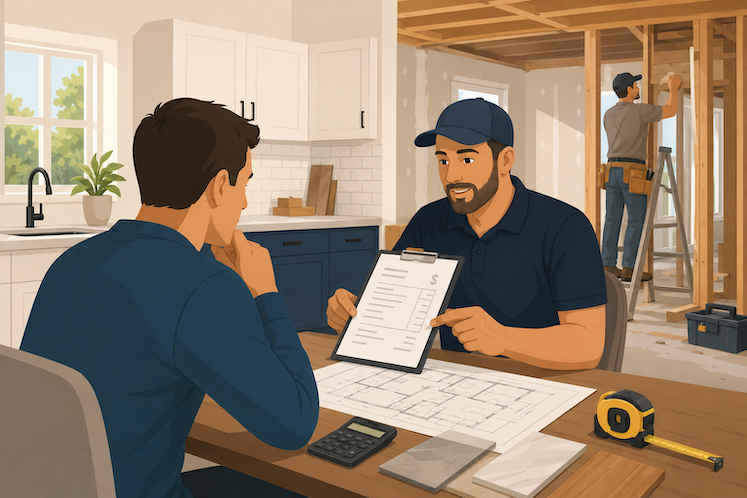
Home remodeling projects are exciting at the beginning. A homeowner receives a quote that looks affordable, the contractor promises a fast timeline, and everything seems straightforward. But weeks later, unexpected costs start appearing, timelines stretch out, and the final invoice looks nothing like the original estimate.
This happens more often than most homeowners realize. In many cases, remodeling contractors intentionally or unintentionally underquote projects to secure the job first and address the real costs later. Understanding why this happens can help homeowners avoid financial stress, delays, and frustrating surprises during renovations.
Whether you’re planning a kitchen upgrade, bathroom remodel, room addition, or full-home renovation, knowing how contractors price projects can help you make smarter decisions before signing a contract.
Why Some Contractors Give Extremely Low Estimates
Not every low estimate is a red flag, but unusually cheap remodeling quotes often signal missing details, unrealistic assumptions, or pricing strategies designed to win bids quickly.
Homeowners naturally compare estimates side by side. When one proposal comes in thousands lower than the others, it can feel like an easy decision. However, remodeling projects involve labor, permits, materials, subcontractors, inspections, and unforeseen site conditions. If those factors are not carefully calculated, the initial quote may not reflect the true cost of the work.
Winning the Job First, Explaining Costs Later
Some contractors intentionally provide low estimates because they know homeowners tend to focus on the upfront number instead of the full scope of work.
Once demolition begins and the project is underway, homeowners are already financially and emotionally invested. At that point, additional charges for “unexpected issues” become harder to reject.
This strategy is common in competitive remodeling markets where contractors aggressively compete for leads and projects.
Missing Details in the Initial Scope
Another reason for underquoting is incomplete project planning.
A contractor may prepare a rough estimate without fully inspecting plumbing systems, electrical wiring, structural framing, or hidden water damage. Once work begins, those issues appear and increase costs significantly.
For example, older homes often reveal outdated systems behind walls or beneath flooring. What initially looked like a cosmetic renovation can quickly turn into a structural or code-compliance project.
The Real Costs Behind Remodeling Projects
Many homeowners underestimate how many moving parts exist within a renovation.
A remodeling quote is not simply based on square footage or materials. Contractors must account for labor scheduling, permit requirements, subcontractor availability, disposal fees, inspections, material delivery costs, and contingency planning.
When these elements are overlooked, estimates become unrealistic.
Material Prices Constantly Change
Construction material pricing fluctuates throughout the year.
Cabinets, lumber, flooring, windows, drywall, and fixtures may increase in price during the project timeline. Contractors who underquote may fail to account for these market changes, especially on projects scheduled months in advance.
This is particularly true in large-scale renovations where material orders happen in stages instead of all at once.
Skilled Labor Is Expensive
Experienced electricians, plumbers, tile installers, painters, and carpenters charge higher rates for quality work.
Contractors who submit extremely low bids sometimes rely on cheaper labor or underestimate labor hours to make their proposals appear more attractive.
Unfortunately, rushed or inexperienced labor often leads to poor workmanship, delays, and costly corrections later.
Permits and Inspections Add Up
Many remodeling projects require permits and city inspections.
Electrical upgrades, plumbing changes, window replacements, structural modifications, and room additions all involve permitting costs that vary by city and project type.
For example, homeowners researching exterior improvements often discover that projects involving storm protection and structural upgrades carry additional requirements, especially after learning more about hurricane-rated door installation requirements for properties.
When permits are omitted from estimates, homeowners may face surprise fees later in the process.
Common Areas Where Costs Suddenly Increase
Certain parts of remodeling projects are especially prone to unexpected expenses.
Understanding these risk areas can help homeowners review quotes more carefully before work starts.
Hidden Water or Mold Damage
Water damage is one of the biggest reasons remodeling budgets increase unexpectedly.
Behind walls, beneath flooring, or inside ceilings, contractors may uncover leaks, mold, rotted wood, or deteriorated insulation during demolition.
These issues must usually be repaired before new construction can continue safely.
Outdated Electrical Systems
Older homes may not support modern appliances, lighting systems, or smart-home features.
Once walls are opened, contractors sometimes discover outdated wiring, overloaded panels, or unsafe connections that require upgrades to meet code requirements.
Electrical corrections can quickly add thousands to a remodeling budget.
Structural Repairs
Removing walls, changing layouts, or expanding living spaces may reveal framing issues or structural weaknesses.
Contractors sometimes underestimate the engineering work or reinforcements required to safely complete these changes.
This is especially common in older homes that have undergone multiple renovations over the years.
Why Cheap Remodeling Quotes Can Become Expensive
A low quote may initially save money on paper, but it often creates bigger expenses later.
Homeowners who choose contractors solely based on price sometimes experience:
-
Frequent change orders
-
Delayed project timelines
-
Inferior materials
-
Incomplete work
-
Poor communication
-
Permit problems
-
Failed inspections
-
Additional labor charges
In some cases, homeowners must hire another contractor to repair or finish unfinished work.
That’s why comparing estimates should involve more than just the final number.
What a Detailed Remodeling Estimate Should Include
Professional remodeling proposals should clearly outline the full project scope.
A reliable estimate typically includes:
-
Labor costs
-
Material allowances
-
Permit fees
-
Demolition details
-
Timeline expectations
-
Payment schedule
-
Warranty information
-
Cleanup and disposal
-
Subcontractor responsibilities
-
Change-order policies
The more detailed the estimate, the lower the chance of major surprises later.
Material Allowances Matter
Many contractors include “allowances” for fixtures, flooring, cabinets, or countertops.
These allowances represent estimated spending limits. If homeowners select materials above those limits, the final cost increases.
For example, choosing luxury tile, premium cabinetry, or oversized windows can dramatically affect the final budget.
Homeowners researching trim and finishing costs often realize how smaller upgrades influence overall pricing after reviewing factors involved in baseboard installation pricing and labor costs.
Change Orders Are Often Misunderstood
Not every added expense means a contractor acted dishonestly.
Sometimes homeowners request upgrades or layout changes after construction begins. These modifications create “change orders,” which increase costs and timelines.
Examples include:
-
Expanding a kitchen island
-
Upgrading flooring materials
-
Moving plumbing fixtures
-
Adding recessed lighting
-
Changing paint finishes
The problem arises when contractors use vague contracts that allow excessive change orders without clear explanations.
The Importance of Proper Project Planning
Well-planned remodeling projects are far less likely to exceed budgets dramatically.
Experienced contractors spend significant time during the planning phase reviewing measurements, site conditions, permits, structural considerations, and homeowner expectations.
This preparation helps reduce costly surprises later.
Homeowners comparing renovation strategies sometimes gain better perspective after reading about the differences between handling renovation work yourself versus hiring experienced contractors.
Careful planning almost always leads to smoother renovations.
Why Some Contractors Avoid Transparent Pricing
Transparent pricing takes time.
Detailed estimates require site visits, measurements, supplier coordination, subcontractor pricing, permit research, and labor forecasting. Contractors who skip these steps can provide faster quotes, but those estimates are often less accurate.
Some contractors intentionally keep proposals vague because it gives them flexibility to increase costs later.
Watch for phrases like:
-
“Starting at”
-
“Subject to changes”
-
“Estimate only”
-
“Additional charges may apply”
-
“Material costs not included”
These phrases are not automatically bad, but they should be explained clearly before signing contracts.
How Homeowners Can Protect Themselves
Avoiding underquoted remodeling projects starts with asking better questions.
Compare More Than Price
Do not automatically choose the cheapest proposal.
Review:
-
Scope of work
-
Material quality
-
Timeline realism
-
Communication style
-
Warranty coverage
-
Contractor reputation
-
Licensing and insurance
A higher upfront estimate may actually save money long term.
Request a Detailed Written Contract
Every remodeling project should include a written contract outlining:
-
Exact work being performed
-
Material specifications
-
Payment milestones
-
Estimated completion dates
-
Permit responsibilities
-
Change-order procedures
The more detailed the agreement, the fewer misunderstandings occur later.
Ask About Contingency Budgets
Experienced contractors usually recommend contingency budgets for unexpected conditions.
A typical contingency ranges from 10–20% depending on the age and complexity of the home.
This helps homeowners prepare financially if hidden issues appear during demolition.
Exterior Remodeling Projects Often Carry Hidden Variables
Exterior renovations can become especially unpredictable because contractors may uncover weather damage, moisture intrusion, or structural deterioration once siding or finishes are removed.
Homeowners exploring exterior upgrades often realize how many variables affect pricing after comparing different home exterior finish options including stucco, paint, and cladding systems.
Environmental exposure plays a major role in long-term renovation costs.
Window Replacements Frequently Exceed Initial Budgets
Window replacement projects are another area where underquoting happens frequently.
Some estimates exclude:
-
Structural modifications
-
Permit costs
-
Disposal fees
-
Hurricane-code upgrades
-
Trim repairs
-
Waterproofing adjustments
The final cost depends heavily on installation complexity and local building requirements.
Signs a Remodeling Quote May Be Unrealistic
Certain warning signs suggest an estimate may be artificially low.
Extremely Fast Timelines
Quality remodeling takes time.
Contractors promising unusually fast completion schedules may underestimate labor demands or overbook projects.
Large Upfront Deposits
Be cautious if contractors request unusually high upfront payments before ordering materials or beginning work.
Vague Contracts
Missing details often lead to disputes later.
If project descriptions are unclear, request revisions before signing anything.
Prices Far Below Competitors
If one estimate is dramatically lower than several others, ask why.
There may be missing labor, permit costs, or material specifications hidden from the proposal.
Ready to Plan Your Remodeling Project?
Whether you’re updating a single room or planning a full-home renovation, working with experienced professionals can help you avoid costly surprises and unrealistic estimates later in the process.
Conclusion
Underquoted remodeling projects create frustration for both homeowners and contractors.
Sometimes the issue comes from poor planning or incomplete inspections. Other times, contractors intentionally lower estimates to secure projects in competitive markets.
Either way, homeowners benefit from understanding how remodeling pricing works before committing to a renovation.
A realistic estimate should include detailed planning, transparent pricing, clear timelines, and honest communication about potential risks. Choosing contractors based on value, experience, and professionalism — instead of simply the lowest number — usually leads to smoother projects and better long-term results.
Frequently Asked Questions
Why do remodeling projects usually cost more than the estimate?
Unexpected structural issues, outdated systems, material upgrades, permit requirements, and homeowner-requested changes are the most common reasons budgets increase during renovations.
Is the cheapest remodeling quote always a bad sign?
Not always, but extremely low estimates should be reviewed carefully. Missing details, unrealistic labor costs, or vague contracts often lead to additional charges later.
What is a remodeling change order?
A change order is a written modification to the original project scope. It usually involves additional work, upgraded materials, or layout changes that affect pricing and timelines.
How much contingency budget should homeowners prepare?
Most contractors recommend setting aside 10–20% of the total project budget for unexpected issues discovered during construction.
Can remodeling contractors guarantee exact pricing?
Exact pricing is difficult in renovation work because hidden issues may not appear until demolition begins. However, experienced contractors can provide more accurate estimates through careful planning and inspections.
How can homeowners avoid budget overruns?
Choose experienced contractors, request detailed written estimates, clarify material allowances, avoid frequent mid-project changes, and maintain a contingency budget.