
Choosing the right exterior finish is one of the biggest decisions you can make for your home’s curb appeal, protection, and long-term value. Stucco, paint, and cladding all improve the look of your exterior walls, but they do very different jobs.
Some homeowners want a clean, modern finish. Others need better weather resistance, lower maintenance, or a smarter way to update an older exterior. The best choice depends on your budget, climate, home style, and how much upkeep you want over time.
In this guide, we’ll compare stucco vs. paint vs. cladding so you can decide which exterior wall finish makes the most sense for your home.
Understanding Your Exterior Finish Options
Before comparing costs, durability, and appearance, it helps to understand what each finish actually does.
Exterior finishes are not just decorative. They protect your home from moisture, sun exposure, wind, cracking, and everyday wear. The right finish can also improve energy performance, boost resale value, and make your home look more polished from the street.
What Is Stucco?
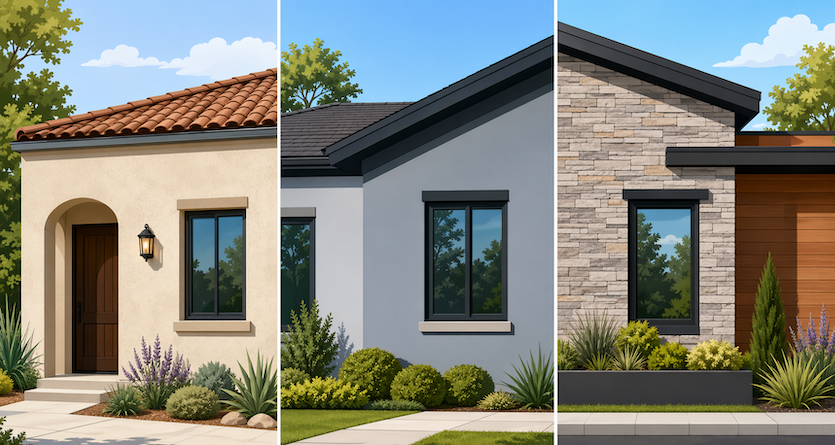
Stucco is a cement-based exterior wall finish applied in layers over a prepared surface. It creates a durable, textured, and seamless look that works well on modern, Mediterranean, Spanish-style, and traditional homes.
One of the biggest advantages of stucco is that it becomes part of the wall system rather than just sitting on the surface. When installed correctly, it can handle heat, sun, and everyday exterior exposure very well.
Stucco can be finished smooth, textured, sanded, or patterned depending on the look you want. It can also be painted or tinted, giving homeowners plenty of design flexibility.
If you are leaning toward a stronger wall finish, getting a professional stucco estimate is a smart first step before comparing it with basic exterior painting.
What Is Exterior Paint?
Exterior paint is the most common and budget-friendly way to refresh a home’s appearance. It adds color, hides minor surface imperfections, and gives your property a cleaner look.
Paint works best when the wall underneath is already in good shape. If your exterior walls are cracked, uneven, damp, or damaged, paint may improve the appearance temporarily but will not solve the underlying issue.
That is why paint is often considered a cosmetic finish rather than a structural or protective upgrade. It can still be a great choice, but only when the surface is properly prepared.
What Is Cladding?
Cladding refers to panels or materials installed over exterior walls. Common cladding options include vinyl, fiber cement, wood, metal, stone veneer, and composite panels.
Cladding can dramatically change the style of a home. It can create a sleek modern look, a rustic finish, or a premium architectural appearance depending on the material.
It also adds another layer of protection to the home. However, cladding usually costs more than paint and often requires more planning, framing, fastening, and detailing around windows, doors, and corners.
Stucco vs. Paint vs. Cladding: Quick Comparison
Stucco is usually best for homeowners who want a durable, upscale, low-maintenance exterior with a clean and timeless look.
Paint is best for homeowners who want a faster, more affordable refresh when their exterior walls are already in good condition.
Cladding is best for homeowners who want a major design transformation or an added protective layer with a specific architectural style.
Each option has its place. The key is knowing whether your home needs a simple color update, a stronger wall finish, or a full exterior redesign.
Durability: Which Finish Lasts Longer?
Durability is where stucco often stands out. A properly installed stucco system can last for decades with routine care. It resists impact better than paint and creates a hard exterior surface that can handle everyday weather exposure.
Paint has a shorter lifespan. Even high-quality exterior paint eventually fades, peels, chalks, or cracks, especially in sunny, humid, or rainy climates. Most homes need repainting every few years depending on exposure and product quality.
Cladding durability depends heavily on the material. Fiber cement and stone veneer can last a long time, while wood cladding may need more maintenance. Vinyl can be affordable, but it may warp, crack, or fade over time.
For homeowners looking for long-term performance, stucco and high-quality cladding usually outperform paint.
Maintenance: Which Option Is Easier to Care For?
Stucco is relatively low-maintenance when installed correctly. It may need occasional cleaning, small crack repairs, and repainting or sealing over time. The surface should be inspected regularly, especially around windows, doors, and rooflines.
Paint requires more frequent attention. Once paint starts peeling or fading, the exterior can quickly look neglected. Repainting also involves surface preparation, pressure washing, scraping, priming, and multiple coats.
Cladding maintenance depends on the material. Vinyl may only need washing, while wood may need staining, sealing, or repainting. Stone veneer and fiber cement are more durable but still need periodic inspection.
If low maintenance is your priority, stucco is often a strong middle-ground choice because it offers durability without the complexity of many cladding systems.
Appearance and Curb Appeal
Your exterior finish has a major impact on how your home feels from the outside. Stucco gives a clean, solid, and custom look. It works especially well for homeowners who want a smooth modern exterior or a textured finish with depth.
Paint gives you the widest color flexibility. You can change the mood of your home quickly, from neutral and classic to bold and contemporary. However, paint depends heavily on the condition of the wall beneath it.
Cladding can create the most dramatic visual change. It can make a home look more architectural, layered, or high-end. For example, stone veneer can add a luxury feel, while fiber cement panels can create a modern design.
If your goal is a fresh but timeless exterior, stucco is often one of the most balanced choices.
Weather Resistance and Moisture Protection
Exterior walls need to handle rain, heat, wind, and humidity. This is especially important in areas where homes are exposed to frequent storms, strong sun, or moisture buildup.
Stucco performs well in warm and dry climates, but it can also work in humid or rainy areas when installed with proper drainage, sealing, and flashing. Poor installation is where problems usually begin.
Paint offers limited weather protection. It can help repel moisture for a period of time, but once it cracks or peels, water can reach the wall surface underneath.
Cladding can provide strong weather protection when installed correctly. Many systems include air gaps, moisture barriers, and flashing details that help move water away from the structure.
The winner depends on installation quality. A well-installed stucco or cladding system will usually protect better than paint alone.
Cost: Which Exterior Finish Fits Your Budget?
Paint is usually the most affordable option upfront. If your walls are in good condition and you only want a cosmetic update, painting can be a practical choice.
Stucco costs more than paint because it involves surface preparation, materials, skilled labor, and multiple application layers. However, it also provides a more durable and premium finish.
Cladding often has the widest cost range. Vinyl may be relatively affordable, while stone veneer, fiber cement, and architectural panels can become expensive depending on the design and installation details.
When comparing price, look beyond the initial quote. A cheaper finish that needs frequent repainting or repairs may cost more over time.
Energy Efficiency and Comfort
Stucco can help improve exterior wall performance because of its dense, solid surface. While stucco alone is not a full insulation system, it can contribute to a more stable exterior envelope when paired with proper wall assemblies.
Paint does very little for energy efficiency. Reflective or light-colored paints may help reduce heat absorption slightly, but the impact is limited.
Cladding can improve energy performance if it is installed with insulation or a ventilated rain screen system. Some cladding upgrades are designed specifically to improve building performance.
If comfort and energy savings are part of a larger renovation plan, your exterior finish should be considered alongside insulation, windows, roofing, and ventilation.
For homeowners planning bigger upgrades, a home renovation checklist can help you think through exterior improvements before making final decisions.
Best Option for Older Homes
Older homes often need more than a fresh coat of paint. If the exterior walls have cracks, uneven surfaces, moisture stains, or outdated finishes, paint may not be enough.
Stucco can be a great solution when you want to refresh the appearance while creating a more solid and finished exterior. It can cover imperfections and give the home a cleaner, more updated look.
Cladding can also work well for older homes, especially when you want a complete style change. However, it may require more structural planning and careful installation around existing details.
If your older home has minor cosmetic issues, paint may be fine. If it has visible surface wear or needs a stronger update, stucco or cladding may be the better investment.
Best Option for Modern Homes
Modern homes often look best with clean lines, simple textures, and neutral exterior finishes. Stucco is popular for this reason. A smooth or lightly textured stucco finish can give a home a sleek and polished look.
Cladding is also common in modern design, especially when combining materials such as panels, stone, wood-look siding, or metal accents.
Paint can work on modern homes too, but it usually looks best when applied over a high-quality exterior surface. If the wall underneath is rough or outdated, paint may not deliver the premium finish you want.
Many homeowners also coordinate exterior wall finishes with patios, kitchens, and outdoor living areas. If your home’s exterior connects to a backyard renovation, an outdoor kitchen upgrade can pair beautifully with a fresh stucco or cladding finish.
When Paint Is the Best Choice
Paint is the best choice when your home’s exterior walls are structurally sound, smooth, and free from major cracking or moisture problems.
It is also ideal if you want a fast color update before selling your home or refreshing curb appeal on a limited budget.
Choose paint if:
Your walls are already in good condition.
You want the lowest upfront cost.
You are mainly changing color.
You are comfortable with future repainting.
You need a quicker exterior refresh.
Paint is not the best choice if you are trying to hide serious wall damage or avoid repairs. In those cases, the problems will likely show again.
When Stucco Is the Best Choice
Stucco is the best choice when you want a durable, attractive, and long-lasting exterior wall finish. It is especially strong for homeowners who want a custom look without the visual seams of siding or panels.
Choose stucco if:
You want a premium exterior finish.
You prefer a smooth or textured wall surface.
You want better durability than paint.
Your home style works well with stucco.
You want a long-term curb appeal upgrade.
Stucco is also a smart option when your exterior needs more than paint but you do not want the higher cost or design complexity of cladding.
When Cladding Is the Best Choice
Cladding is the best choice when you want a major exterior transformation. It can add dimension, contrast, and architectural detail that paint or stucco may not provide on their own.
Choose cladding if:
You want a bold design change.
You like the look of panels, stone, or siding.
You want extra exterior wall protection.
Your budget allows for more installation work.
You want to combine multiple exterior materials.
Cladding can be beautiful, but it needs careful planning. Poor detailing around edges, joints, and openings can lead to moisture issues over time.
Which Exterior Finish Adds the Most Value?
The finish that adds the most value is the one that improves both appearance and performance. A fresh coat of paint can help with resale appeal, but it may not impress buyers if the walls still look worn underneath.
Stucco can add value by giving the home a more finished, upscale, and durable exterior. It is especially appealing when the installation looks clean and matches the home’s architecture.
Cladding can also add strong visual value, particularly when used strategically as an accent or full exterior upgrade. However, high-end cladding may not always return its full cost if the design does not fit the neighborhood or buyer expectations.
For most homeowners, stucco offers a strong balance of cost, beauty, and long-term value.
Common Mistakes to Avoid
One of the biggest mistakes homeowners make is choosing based only on price. The cheapest option is not always the best option, especially if your exterior walls need repair.
Another mistake is ignoring moisture. Any exterior finish can fail if water gets trapped behind it or if cracks are left untreated.
Homeowners also sometimes choose a finish that does not match the style of the home. A modern cladding system may look out of place on a traditional property, while the wrong paint color can make a home feel dated.
The best results come from matching the finish to your home’s condition, design, climate, and long-term maintenance goals.
Final Verdict: Stucco, Paint, or Cladding?
If your home only needs a simple refresh, paint may be enough. It is affordable, flexible, and fast when the existing wall surface is in good shape.
If you want a durable and attractive exterior finish with a premium look, stucco is often the better choice. It offers more substance than paint and usually costs less than many high-end cladding systems.
If you want a major design transformation with panels, stone, siding, or mixed materials, cladding may be the right option. Just be prepared for a higher investment and more detailed installation.
For many homeowners, stucco provides the best overall balance. It improves curb appeal, strengthens the exterior appearance, and delivers a timeless finish that works with many home styles.
FAQ
Is stucco better than paint?
Stucco is usually better than paint if you want durability, texture, and a more premium exterior finish. Paint is better if your walls are already in good condition and you only want a color refresh.
Is cladding more expensive than stucco?
In many cases, cladding can be more expensive than stucco, especially when using stone veneer, fiber cement, metal panels, or custom architectural materials. Basic siding may be more affordable, but costs vary by material and labor.
Can you paint over stucco?
Yes, stucco can be painted after it has properly cured and been prepared. Painting stucco can refresh the color and add another layer of protection, but surface cleaning and crack repair should be done first.
Which exterior finish lasts the longest?
High-quality stucco and durable cladding materials often last longer than paint. Paint usually requires more frequent maintenance and repainting over time.
Does stucco crack easily?
Stucco can develop small cracks due to settling, temperature changes, or improper installation. Minor cracks are common and can often be repaired. Proper installation helps reduce cracking.
Which finish is best for curb appeal?
Stucco and cladding usually create the biggest curb appeal improvement. Paint can also improve curb appeal, but it works best when the exterior surface underneath is already smooth and attractive.
What is the most affordable exterior finish?
Paint is usually the most affordable upfront. However, stucco may offer better long-term value if you want a more durable and substantial exterior upgrade.
Should I choose stucco or cladding for a modern home?
Both can work well. Stucco is ideal for clean, seamless walls, while cladding is great for adding contrast, panels, or architectural detail. Many modern homes use a combination of both.