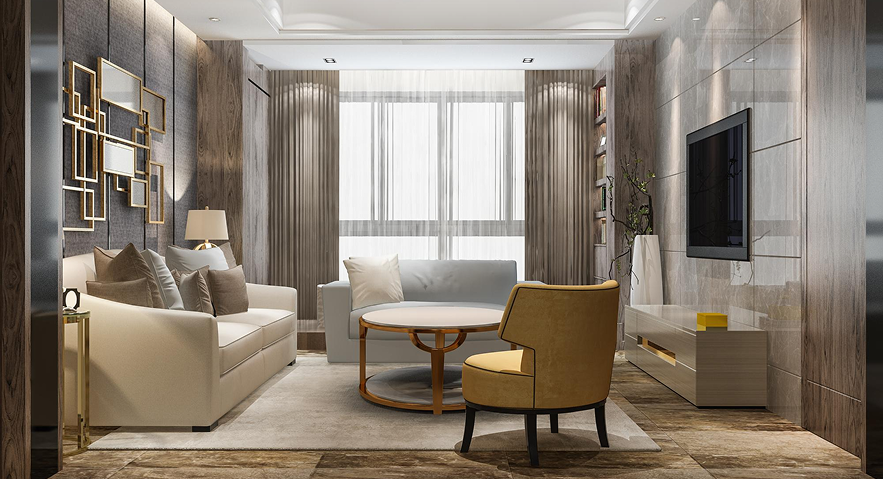


Florida homes have a natural connection to coastal design, but creating a beautiful space near the water comes with a practical challenge: moisture. High humidity, salty air, sudden rain, and strong sunlight can affect furniture, fabrics, finishes, and decorative materials if they are not selected carefully.
A well-designed modern coastal living room combines the relaxed character of the coast with materials that can handle Florida’s demanding climate. The goal is not simply to fill a room with blue accents and beach-inspired décor. Instead, thoughtful material choices, smart ventilation, durable finishes, and a balanced color palette can create a comfortable space that feels fresh while standing up to everyday humidity.
Key Takeaways
-
Choose moisture-resistant furniture, fabrics, flooring, and wall finishes for better long-term performance.
-
Use a light coastal palette with natural textures instead of relying heavily on nautical décor.
-
Prioritize airflow, humidity control, and UV protection alongside aesthetics.
-
Mix durable materials with comfortable furnishings to create a polished yet relaxed Florida interior.
Start With a Florida-Friendly Coastal Design
A successful coastal interior should feel connected to its surroundings without looking overly themed. Think natural light, soft colors, organic textures, clean silhouettes, and an uncluttered layout.
For homeowners planning a larger renovation, working with a qualified home remodeling contractor can also make it easier to coordinate moisture-resistant materials, lighting, flooring, built-ins, and other structural improvements from the beginning.
The best coastal spaces often feel effortless because every element has a purpose. Instead of matching every piece, combine different textures and finishes that create visual interest while maintaining a cohesive look.
Choose Materials That Can Handle Humidity
Humidity is one of the biggest considerations when designing a Florida interior. Even when there is no direct water exposure, consistently moist air can contribute to odors, swelling, mold growth, or premature wear in unsuitable materials.
Select Durable Furniture Frames
When choosing seating and tables, look for construction that is less vulnerable to humidity. Solid hardwoods with appropriate protective finishes, metal accents, engineered materials, and quality outdoor-rated components can be useful choices depending on the room.
Avoid placing moisture-sensitive materials directly against exterior walls where condensation may occasionally occur. Giving furniture adequate breathing room can improve airflow and reduce moisture accumulation.
Pick Performance Fabrics
Performance upholstery is particularly useful in Florida homes. Look for fabrics designed to resist stains, moisture, fading, and everyday wear.
Slipcovers can also be practical because they allow homeowners to clean or replace individual coverings without replacing an entire sofa or chair. For homes with pets or frequent guests, washable and durable textiles offer another layer of protection.
Build a Light and Relaxed Color Palette
Color plays a major role in achieving a coastal atmosphere. Soft whites, warm sand tones, pale blues, muted greens, and natural wood shades can make a room feel bright without becoming predictable.
A modern coastal living room ideas approach works best when color is used strategically rather than covering every surface in a beach-inspired shade. Consider a neutral foundation with one or two accent colors introduced through pillows, artwork, rugs, or occasional chairs.
For inspiration, explore these stylish blue and sand living room ideas to see how restrained color combinations can create warmth and character.
The same principle applies to decorative accessories. A few carefully selected coastal elements usually look more sophisticated than a room filled with shells, anchors, rope, and nautical artwork.
Select Furniture for Comfort and Airflow
Furniture placement affects more than appearance. In a humid environment, maintaining reasonable airflow around large pieces can help prevent stagnant pockets of moisture.
Avoid overcrowding the room with oversized sofas, cabinets, and accent pieces. A well-planned layout should leave comfortable walking paths and enough space between furniture and walls.
When shopping for living room furniture, consider both comfort and maintenance. Raised furniture legs can make cleaning easier and allow air to circulate underneath pieces. Removable cushions and washable covers are also valuable for a Florida lifestyle.
Bring Coastal Character Through Natural Texture
Coastal interiors work particularly well with natural-looking textures. Woven materials, light woods, linen-look fabrics, rattan-inspired details, jute-style rugs, and textured ceramics can add depth without making the room feel heavy.
However, natural materials should be selected carefully. Some untreated materials can absorb moisture and become difficult to maintain in a humid climate. Where appropriate, choose sealed, treated, or performance alternatives that offer a similar visual effect.
A coastal living room should feel relaxed, but it still needs to function comfortably for everyday life. Texture is one of the easiest ways to create that balance.
Add Layered Lighting for a Fresh Atmosphere
Florida’s abundant daylight is a major advantage. Make the most of it with window treatments that soften glare without completely blocking natural light.
UV exposure can contribute to fading, so consider solar shades, lined curtains, or other window treatments designed to reduce direct sunlight. This is especially important for upholstery, rugs, artwork, and wood finishes placed near large windows.
At night, combine overhead fixtures with table lamps, floor lamps, and accent lighting. For homeowners interested in more dramatic illumination, these hidden LED living room feature wall ideas can provide inspiration for adding subtle layers of light without overwhelming the coastal aesthetic.
Use Moisture-Resistant Flooring
Flooring should be another priority in a Florida home. Porcelain tile, certain luxury vinyl products, sealed stone, and other moisture-tolerant options can be practical choices depending on the home’s construction and location.
Area rugs can soften harder surfaces, but choose materials that dry relatively quickly and are easy to clean. Avoid placing moisture-sensitive rugs in areas where wet footwear, open doors, or condensation are common.
Light-colored flooring can also reinforce the coastal look, although homeowners should consider maintenance requirements before making a final selection.
Create a Functional Focal Point
Every well-designed room benefits from a visual anchor. In a coastal interior, this could be a textured feature wall, a large piece of artwork, an architectural fireplace, or a carefully styled console.
A console behind the sofa or along an entry wall can provide both function and personality. If you want to create a more collected appearance, these gallery-style console table ideas offer useful inspiration for arranging artwork and decorative objects.
Keep the styling intentional. Leave some open space between objects so the display feels curated rather than crowded.
Balance Modern Lines With Coastal Comfort
A beach modern coastal living room does not need to look rustic or overly casual. Clean-lined sofas, simple coffee tables, streamlined cabinetry, and contemporary lighting can create a sophisticated foundation.
Then soften those modern elements with textured cushions, woven accessories, natural wood, and comfortable seating. The contrast between structured shapes and organic materials gives the room a more current appearance.
This balance is especially useful in newer Florida homes where homeowners want coastal character without sacrificing a contemporary interior.
Choose Coastal Furniture With Maintenance in Mind
When selecting modern coastal living room furniture, think beyond appearance. Ask how each piece will perform in the local climate and how easily it can be cleaned or repaired.
For upholstered seating, removable cushions and performance fabrics are practical advantages. For tables, sealed wood, stone, or durable composite surfaces can reduce maintenance. Metal components should have appropriate finishes when humidity and salt exposure are concerns.
Quality also matters. A well-constructed piece with replaceable components may provide better long-term value than an inexpensive item that deteriorates quickly.
Keep the Room Collected, Not Overdecorated
One of the easiest ways to make a coastal room feel more sophisticated is to avoid buying every accessory at once. Allow the space to develop gradually.
Mix contemporary pieces with vintage-inspired objects, artwork, books, plants, and personal accessories. If you are looking for guidance on how to style a collected look living room with non-matching furniture, focus on coordinating scale, color, and texture rather than making every piece match.
This approach creates personality while keeping the overall design relaxed.
Manage Humidity Before It Becomes a Problem
Even the best materials benefit from proper environmental control. Maintain your home’s air-conditioning system, use ventilation where needed, and consider a dehumidifier if indoor humidity consistently remains high.
Keep an eye out for musty odors, condensation, discoloration, or unusual swelling around furniture and finishes. Addressing small moisture concerns early can help protect your investment.
Window treatments, ceiling fans, air circulation, and sensible furniture placement can all contribute to a more comfortable interior.
Final Thoughts
Designing a moisture-resistant coastal interior in Florida is about combining beauty with practical decisions. A thoughtful palette, durable materials, breathable layouts, performance fabrics, controlled humidity, and carefully selected furnishings can create a space that feels sophisticated without becoming difficult to maintain.
The strongest living room ideas are not necessarily the most elaborate. They are the ones that suit the home’s architecture, support everyday comfort, and continue looking good after years of Florida weather. With the right balance of coastal texture and modern simplicity, your living space can feel bright, welcoming, and genuinely built for the climate.
FAQs
What materials are best for a Florida coastal living room?
Porcelain tile, sealed surfaces, performance fabrics, treated wood, and moisture-resistant composite materials are practical choices.
How can I protect coastal furniture from humidity?
Use durable finishes, maintain indoor humidity, provide airflow around furniture, and avoid placing moisture-sensitive pieces against damp walls.
What colors work well in a coastal interior?
Soft white, sand, beige, pale blue, muted green, and natural wood tones create a relaxed coastal palette.
Are performance fabrics worth using in Florida homes?
Yes, performance fabrics can provide better resistance to stains, moisture, fading, and everyday wear.
How can I make a coastal room look modern?
Combine clean-lined furniture and simple lighting with natural textures, restrained colors, and a few carefully selected coastal accents.