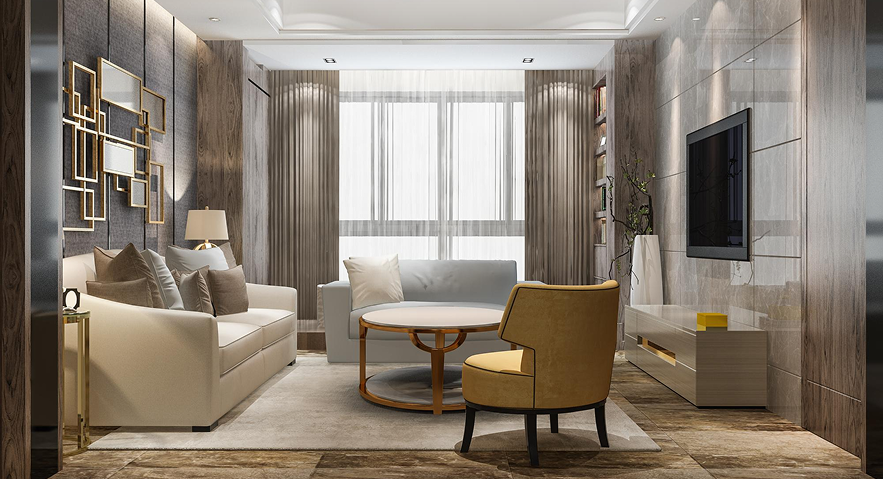

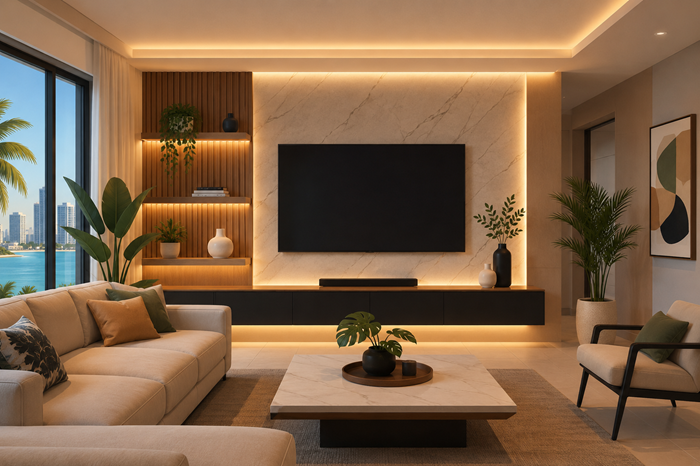
Creating a stylish living room is about more than choosing the right furniture. The way you illuminate the space can completely transform its atmosphere, making it feel larger, warmer, and more inviting. For homeowners in Miami, where contemporary interiors and open layouts are popular, combining a feature wall with creative lighting has become one of the most effective ways to refresh a home without a full-scale makeover.
A thoughtfully planned living room led lighting design can highlight architectural details, showcase artwork, and create a welcoming environment for family gatherings or entertaining guests. Whether you’re renovating an older property or designing a brand-new space, hidden lighting paired with a feature wall delivers a clean, modern look that never feels overwhelming.
If you’re considering a complete makeover, professional home renovation services near me can help integrate lighting, wall finishes, and custom details into one cohesive design while ensuring everything is installed safely and professionally.
Why Hidden LED Lighting Is Trending in Miami Living Rooms
Modern homeowners are moving away from bulky fixtures and toward lighting solutions that blend seamlessly into the architecture. Hidden lighting creates a soft glow rather than direct brightness, giving the room a sophisticated appearance without becoming the center of attention.
This approach works especially well in Miami homes because it complements contemporary, coastal, and luxury interior styles while making living spaces feel brighter throughout the day and evening.
A professionally designed living room led lighting plan also improves functionality. Different lighting layers allow homeowners to create the right mood for movie nights, parties, reading, or everyday relaxation without relying on a single overhead fixture.
A Clean and Modern Appearance
One of the biggest advantages of concealed lighting is its simplicity. LED strips are tucked behind wall panels, floating shelves, ceilings, or trim, leaving only the beautiful glow visible.
This minimalist effect helps architectural elements stand out while keeping the room visually uncluttered. The result is a space that feels elegant rather than overdecorated.
Better Energy Efficiency
LED technology consumes significantly less electricity than traditional bulbs while lasting much longer. That means homeowners can enjoy premium-looking interiors with lower maintenance costs and reduced energy consumption.
Choosing living room led lighting is both an aesthetic and practical investment that continues delivering value for years.
Designing a Living Room Feature Wall That Stands Out
A feature wall serves as the visual centerpiece of the room. Instead of decorating every wall equally, homeowners focus attention on one carefully designed surface that anchors the entire space.
The beauty of a feature wall lies in its flexibility. It can be subtle and elegant or bold and dramatic depending on the home’s overall style.
Many Miami homeowners combine textures, premium materials, and concealed lighting to create an upscale finish that looks professionally designed.
Popular Materials for Feature Walls
The material you choose plays a major role in defining the room’s personality. Some of the most popular options include:
- Natural stone
- Decorative wood slats
- Textured plaster finishes
- Marble-look panels
- Large-format porcelain
- Painted accent walls
- Custom millwork
Adding living room led lighting behind these materials creates depth and dimension that simply isn’t possible with standard lighting fixtures.
For homeowners looking to refresh multiple design elements together, exploring latest ceiling design trends can help create a more unified and modern interior style.
Integrating Hidden Lighting Into the Wall
The best feature walls don’t just rely on beautiful materials—they use light strategically.
Designers often conceal LED strips behind floating panels, recessed grooves, shelving, or custom moldings to create a soft halo effect around the wall. This technique enhances textures and adds visual depth without introducing glare.
One increasingly popular option is hidden led strip lighting ceiling, where concealed ceiling lighting connects seamlessly with the illuminated feature wall for a continuous architectural effect.
A carefully planned living room led lighting layout ensures every lighting element complements the room instead of competing for attention.
Choosing the Right Design Style
Every home has its own personality, and your feature wall should reflect it. Some homeowners prefer understated elegance, while others want a dramatic focal point that immediately captures attention.
Popular choices include a modern living room feature wall, textured stone surfaces, custom wood installations, or even sophisticated living room feature wall tiles that add durability and visual interest.
No matter which direction you choose, living room led lighting helps tie every design element together by creating balance, warmth, and subtle sophistication that elevates the entire room.
Creative Feature Wall Ideas for Different Living Room Styles
A feature wall should enhance the character of your home rather than overpower it. The best designs feel intentional, blending with the furniture, flooring, and architectural details already in the space. With the right balance of materials and illumination, living room led lighting can make even a simple accent wall look custom-built.
Contemporary Minimalist
Minimalist interiors focus on clean lines and uncluttered surfaces. A smooth painted wall with recessed lighting, paired with floating cabinetry, creates a refined look that feels open and relaxing.
Instead of adding excessive décor, let the lighting define the space. Warm white LEDs installed behind wall panels or shelving create a gentle glow that adds depth without distracting from the overall design.
Coastal Miami Style
Miami homes often embrace bright interiors inspired by the coast. Soft neutral colors, natural wood accents, and subtle textures work beautifully with concealed lighting.
A combination of white walls, light oak finishes, and living room led lightingn creates an airy atmosphere that feels welcoming throughout the day and cozy after sunset.
Luxury Statement Design
For homeowners seeking a premium finish, consider marble-look panels, decorative stone, or custom millwork with integrated lighting channels. These materials become even more striking when illuminated from behind, creating dramatic shadows and elegant visual contrast.
The goal isn’t simply to make the wall brighter—it’s to highlight craftsmanship and architectural detail.
Planning the Right Lighting Layout
Even the most beautiful materials can lose their impact if the lighting isn’t positioned correctly. Proper planning ensures the light enhances the feature wall while maintaining comfortable brightness throughout the room.
When designing living room led lighting, think in layers instead of relying on a single source. Combining ambient, accent, and task lighting creates a balanced environment that adapts to different activities.
Highlight Architectural Details
Lighting should emphasize design features rather than dominate them. Recessed LED strips can frame wall panels, outline shelving, or draw attention to artwork, adding subtle elegance without creating harsh reflections.
This layered approach makes the room feel larger while introducing a sense of depth that’s difficult to achieve with overhead fixtures alone.
For additional inspiration beyond the feature wall, these living hall focal point ideas can help you create a cohesive and visually engaging living area.
Balance Brightness Throughout the Room
An illuminated feature wall shouldn’t become the only source of light. Pair it with recessed ceiling fixtures, floor lamps, or pendant lighting to maintain visual comfort.
Well-balanced living room led lighting prevents dark corners while ensuring the feature wall remains the natural focal point instead of appearing overly dramatic.
Common Mistakes to Avoid
Many homeowners invest in expensive materials but overlook lighting placement, resulting in an underwhelming final appearance.
Some of the most common mistakes include:
- Choosing LED strips with inconsistent color temperatures
- Installing lights where individual LED dots remain visible
- Using excessively bright lighting that creates glare
- Ignoring dimmer controls for different moods
- Failing to hide wiring during installation
Professional planning helps avoid these issues while delivering a polished finish that looks intentional from every angle.
Bringing the Entire Living Room Together
A feature wall works best when it’s supported by thoughtful interior design choices. Furniture placement, rugs, artwork, and decorative accessories should all complement the illuminated wall instead of competing with it.
If your goal is a relaxed yet curated appearance, exploring a collected look living room with non-matching furniture offers excellent inspiration for mixing textures, colors, and furnishings without sacrificing visual harmony.
As you finalize your design, remember that living room led lighting is most effective when it enhances the room naturally. A carefully planned lighting scheme not only showcases your feature wall but also creates a comfortable space you’ll enjoy every day.
Enhancing the Space with Complementary Lighting
While a feature wall naturally becomes the centerpiece of the room, the surrounding lighting plays an equally important role in creating a balanced interior. Layering different light sources allows you to adjust the mood for relaxing evenings, entertaining guests, or everyday activities.
Consider combining recessed ceiling lights, wall sconces, table lamps, and carefully positioned accent lighting. This layered approach prevents the room from feeling flat while allowing the feature wall to remain the primary attraction.
If you’re updating multiple areas of your home, incorporating smart lighting ideas for dark hallways and living spaces can create a consistent flow from one room to another.
A well-balanced living room led lighting design makes the entire home feel more cohesive, comfortable, and visually appealing.
Final Thoughts
A beautifully designed feature wall paired with concealed LED lighting is more than a design trend—it’s a lasting investment in your home’s comfort and value. Whether your style leans toward modern minimalism, coastal elegance, or luxury interiors, hidden lighting adds depth, warmth, and sophistication without overwhelming the space.
Thoughtful planning, quality materials, and professional installation ensure that every design element works together seamlessly. From selecting the right finishes to choosing the ideal lighting temperature, every detail contributes to a living room that feels inviting both day and night.
When planned correctly, living room led lighting transforms an ordinary wall into a stunning focal point while improving the overall ambiance of the room. It’s a practical upgrade that delivers visual impact, energy efficiency, and timeless style for Miami homeowners looking to elevate their interiors.
Frequently Asked Questions
1. Is hidden LED lighting suitable for small living rooms?
Yes, it adds depth and makes smaller living rooms appear more spacious.
2. What color temperature works best for living room LED lighting?
Warm white (2700K–3000K) creates a comfortable and welcoming atmosphere.
3. Can hidden LED strips be installed on existing feature walls?
Yes, most existing feature walls can be upgraded with concealed LED lighting.
4. How long do LED strip lights typically last?
Quality LED strips commonly last 30,000–50,000 hours with proper installation.
5. Does hidden LED lighting increase home value?
Professionally designed architectural lighting can improve both aesthetics and buyer appeal.