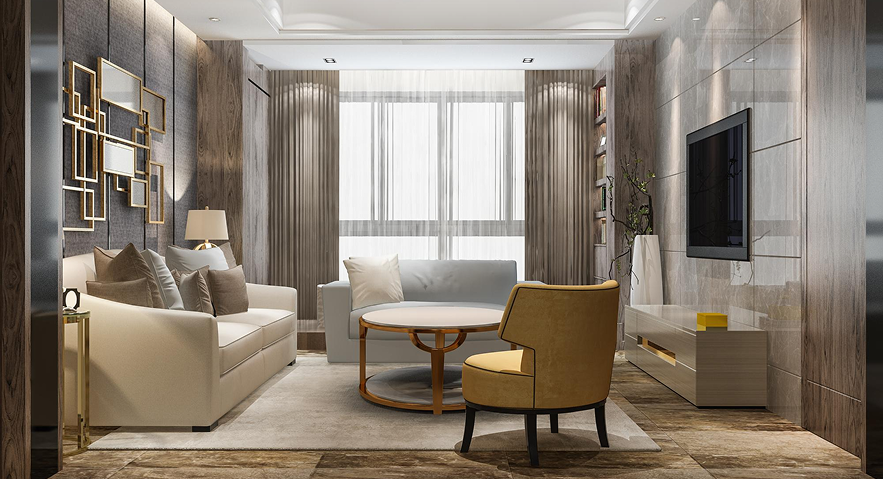

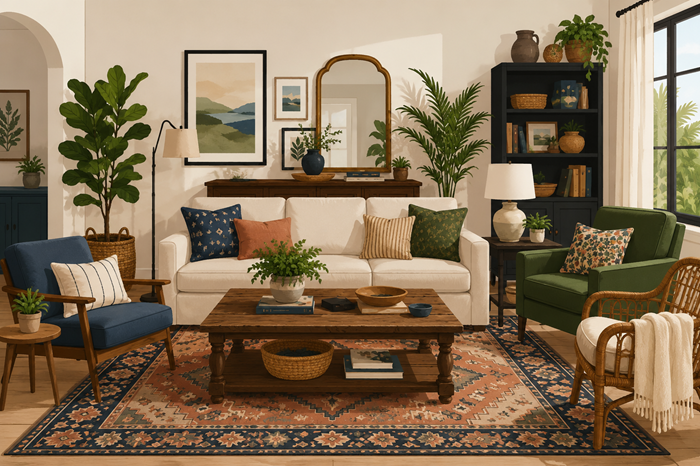
A carefully curated living space doesn’t have to feature perfectly matching pieces. In fact, one of today’s biggest interior design trends embraces personality, texture, and individuality through a collected aesthetic. If you’ve been wondering how to create a stylish space with collected look living room non matching furniture, you’re not alone.
Many homeowners in Pembroke Pines are moving away from showroom-perfect interiors in favor of spaces that feel layered, welcoming, and uniquely personal. By mixing finishes, colors, materials, and vintage finds, you can create a room that looks thoughtfully designed rather than randomly assembled.
Whether you’re refreshing one corner or planning a complete home remodelling project, this guide will help you master the collected look while maintaining balance, comfort, and timeless appeal.
What Is a Collected Look Living Room?
A collected living room feels as though it has evolved naturally over time instead of being purchased all at once. Every piece has its own story, yet everything works together through intentional design choices.
Rather than buying an identical living room furniture set, homeowners choose individual pieces that complement one another through shared colors, textures, proportions, or materials.
The result is a space that feels warm, sophisticated, and full of character.
Why Pembroke Pines Homeowners Love This Style
Pembroke Pines homes often feature open layouts with abundant natural light. These floor plans make the collected style especially effective because every design element contributes to the overall atmosphere.
Benefits include:
- More personality than matching collections
- Easier to update over time
- Better flexibility for changing tastes
- Budget-friendly decorating opportunities
- A timeless appearance that avoids short-lived trends
Unlike highly coordinated interiors, collected spaces continue evolving without requiring an entire redesign.
Start With One Cohesive Foundation
The biggest misconception about non-matching furniture is that anything goes. In reality, successful collected interiors begin with a consistent foundation.
Choose one neutral backdrop for:
- Wall color
- Flooring
- Large area rugs
- Window treatments
These elements help visually connect different furniture styles while preventing the room from feeling chaotic.
Once the backdrop is established, individual pieces can introduce contrast and personality.
Choose One Anchor Piece First
Every collected room needs a starting point.
For many homeowners, that’s the sofa because it naturally becomes the visual centerpiece.
Once you’ve selected your anchor piece, build around it using complementary rather than identical furnishings.
Think about balance instead of matching.
For example:
- Curved shapes paired with clean lines
- Wood mixed with metal accents
- Soft upholstery alongside natural textures
- Traditional details blended with modern silhouettes
Mix Furniture Styles With Confidence
One of the defining characteristics of this decorating approach is mixing different eras and influences.
Some combinations that work beautifully include:
Modern Meets Traditional
Pair sleek contemporary seating with antique wooden tables.
Rustic Meets Contemporary
Natural reclaimed wood balances minimalist furniture exceptionally well.
Coastal Meets Industrial
Perfect for South Florida homes, this blend combines airy finishes with darker accents for visual depth.
The key is repeating certain colors or materials throughout the room to create continuity.
Keep Your Color Palette Consistent
Different furniture styles become cohesive when united by color.
Choose three primary colors and repeat them throughout the space using:
- Throw pillows
- Artwork
- Rugs
- Curtains
- Decorative accessories
Even completely different furniture pieces begin feeling intentional when connected through a thoughtful palette.
Layer Different Textures
Texture often matters more than matching colors.
Combine:
- Linen
- Leather
- Velvet
- Woven baskets
- Natural wood
- Stone
- Glass
- Metal
These varied materials create richness without overwhelming the room.
Layering also helps larger living rooms feel more inviting.
Balance Scale and Proportion
One common decorating mistake is choosing furniture based solely on appearance.
Instead, consider:
Height
Avoid placing several tall pieces together.
Width
Balance bulky furniture with lighter pieces.
Visual Weight
Dark wood appears heavier than glass or acrylic.
Mixing visual weight keeps the room feeling open while maintaining interest.
Add Character Through Vintage Pieces
Collected interiors often include one or two older pieces that contrast beautifully with newer furnishings.
Consider adding:
- Antique coffee tables
- Vintage mirrors
- Refinished cabinets
- Estate sale accent chairs
- Handmade pottery
These additions prevent the room from looking overly staged.
Create Purposeful Focal Points
Every successful living room benefits from one area that naturally draws attention.
This could include:
- A fireplace
- Large artwork
- Built-in shelving
- Statement lighting
- Architectural features
If you’re searching for additional inspiration, these living hall focal point ideas offer practical ways to establish visual balance without overwhelming the room.
Once your focal point is established, arrange surrounding furniture to support—not compete with—it.
Accessorize Thoughtfully
Accessories help connect furniture from different styles.
Focus on:
- Books
- Plants
- Decorative bowls
- Framed family photos
- Sculptures
- Candles
Rather than filling every surface, edit your accessories until each item feels intentional.
Negative space is equally important.
Don’t Forget Lighting
Lighting plays a huge role in making collected interiors feel cohesive.
Instead of relying on one overhead fixture, layer several light sources:
- Floor lamps
- Table lamps
- Wall sconces
- Accent lighting
For additional inspiration, explore these smart lighting ideas for dark hallways and living spaces, many of which work beautifully in open-concept living rooms as well.
Warm lighting softens contrasts between different furniture styles.
Incorporate Functional Storage
A collected room shouldn’t become a cluttered room.
Use storage pieces that double as decorative furniture:
- Vintage cabinets
- Open shelving
- Decorative baskets
- Storage ottomans
- Console tables
Hidden storage keeps everyday items organized while preserving the relaxed appearance of the room.
Display Art Like a Curator
Artwork is often what truly defines a collected aesthetic.
Instead of matching frames perfectly, create a gallery wall featuring:
- Family photographs
- Abstract prints
- Local artwork
- Travel souvenirs
- Botanical illustrations
For inspiration, these gallery-style console table ideas demonstrate how layered artwork and décor can instantly elevate an entryway or living space.
Plan Your Budget Wisely
The beauty of collected interiors is that they don’t require purchasing everything immediately.
Spread purchases over time by prioritizing:
- Essential seating
- Rugs
- Coffee table
- Lighting
- Accent furniture
- Decorative accessories
Planning purchases gradually often produces more authentic-looking results while protecting your home remodelling budget.
When to Consider Professional Remodeling
Sometimes the room itself limits your decorating options.
Outdated flooring, poor layouts, or insufficient lighting can make even beautiful furniture feel disconnected.
If structural improvements are part of your vision, professional house interior remodeling services can help create a stronger architectural foundation before decorating begins.
A trusted home remodeling company can also recommend layout improvements that maximize both function and aesthetics.
Decorating Mistakes to Avoid
Even intentionally mismatched rooms require thoughtful planning.
Avoid these common mistakes:
Buying Everything at Once
Collected interiors should evolve naturally.
Ignoring Scale
Oversized pieces can dominate smaller spaces.
Using Too Many Colors
Limit your palette to maintain harmony.
Overdecorating
Leave breathing room between decorative elements.
Forgetting Comfort
Beautiful interiors should also feel inviting and practical for everyday living.
Bringing Everything Together
The collected look celebrates individuality without sacrificing design principles. By thoughtfully mixing styles, repeating colors, layering textures, and editing accessories, you can create a living space that feels curated instead of coordinated.
Whether you’re updating existing living room furniture, searching for new furniture for living room arrangements, or exploring fresh living room furniture ideas, remember that personality is what makes a home memorable.
The most successful collected rooms aren’t built in a weekend—they’re shaped over time through thoughtful choices that reflect the people who live there.
Frequently Asked Questions
1. What is a collected look in a living room?
A collected look combines different furniture styles into one cohesive, personalized space.
2. Can non-matching furniture still look elegant?
Yes, consistent colors, balanced proportions, and layered textures create harmony.
3. Is the collected style suitable for small living rooms?
Absolutely, thoughtful furniture placement prevents smaller spaces from feeling crowded.
4. How many furniture styles should I mix?
Two or three complementary styles usually create the best visual balance.
5. Do I need to replace all my furniture?
No, adding carefully selected pieces over time often creates the most authentic collected look.