

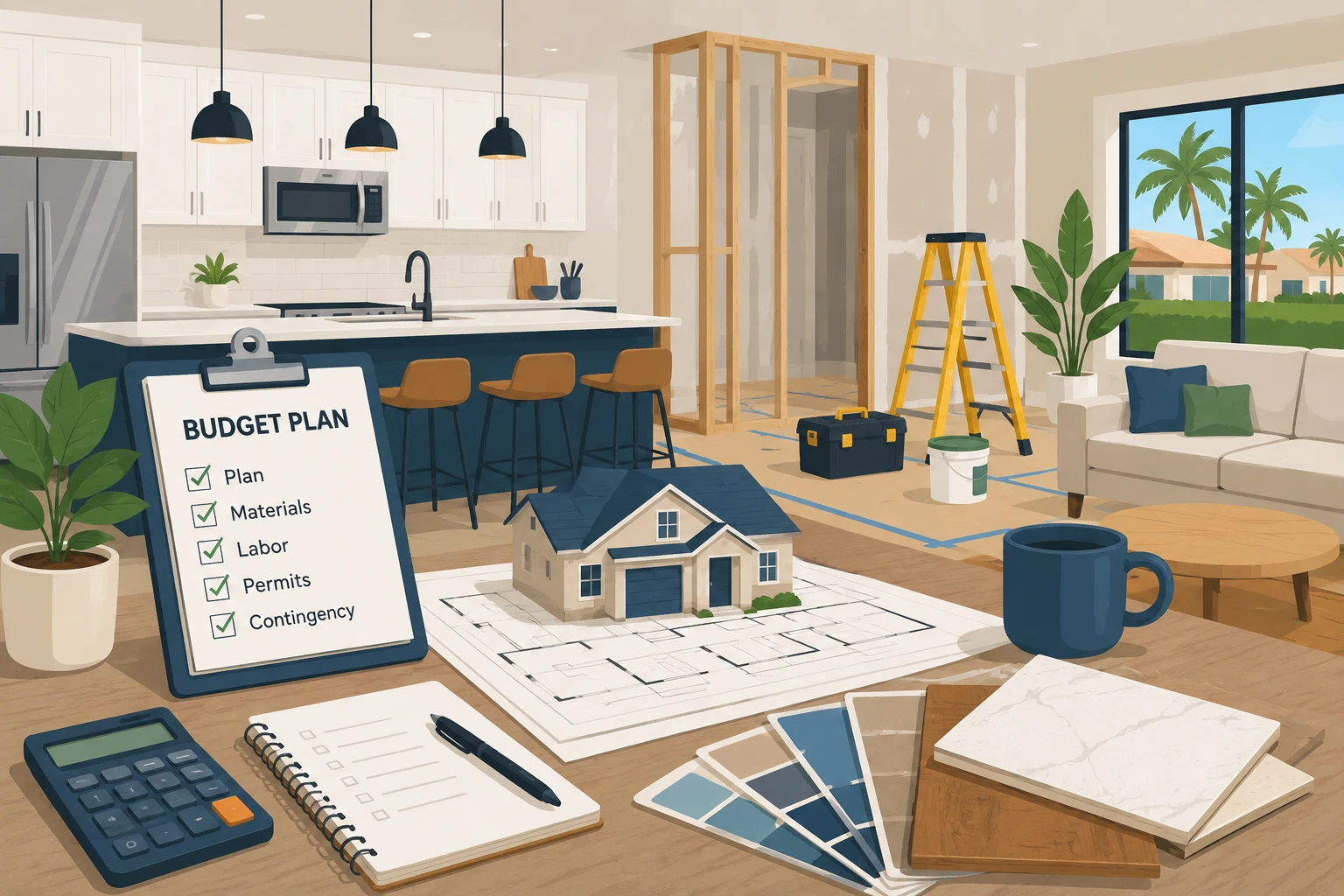
Home remodeling projects in Pembroke Pines can quickly become expensive without proper planning. Between material costs, labor, permits, design upgrades, and unexpected repairs, even a small renovation can exceed the original budget if homeowners are not careful.
The good news is that staying on budget during a remodel is possible with the right strategy. Whether you are updating a kitchen, remodeling a bathroom, renovating an older home, or planning a full-property upgrade, smart preparation can help you control costs without sacrificing quality.
Pembroke Pines homeowners are increasingly investing in renovations to improve comfort, increase property value, and modernize older spaces. But successful remodeling projects are not just about choosing beautiful finishes. They also require budgeting discipline, realistic expectations, and careful decision-making from start to finish.
Why Remodeling Budgets Often Go Off Track
Many homeowners start renovation projects with a rough estimate rather than a detailed financial plan. That usually leads to overspending once demolition begins and hidden issues appear.
Unexpected expenses are one of the biggest reasons remodeling costs increase.
Common Reasons Remodeling Costs Increase
Some of the most common budget problems include:
-
Last-minute design changes
-
Underestimating labor costs
-
Choosing premium upgrades midway through the project
-
Structural surprises behind walls
-
Permit-related expenses
-
Material delivery delays
-
Poor contractor communication
The earlier you prepare for these possibilities, the easier it becomes to keep the project financially manageable.
Start With a Clear Remodeling Plan
One of the smartest ways to control renovation costs is creating a detailed plan before construction starts.
Changing layouts, materials, or finishes during the project often increases labor costs and creates delays.
Define Your Remodeling Priorities
Start by identifying:
-
What absolutely needs renovation
-
Which upgrades are optional
-
Areas where you are willing to compromise
-
Features worth investing in long term
Separating needs from wants helps prevent emotional spending during the remodel.
Set a Realistic Remodeling Budget
A realistic budget should include far more than materials and labor alone.
Many homeowners forget to account for secondary costs that appear throughout the project.
Include Every Major Expense Category
A strong remodeling budget should include:
-
Contractor labor
-
Materials
-
Permit fees
-
Demolition
-
Design costs
-
Temporary living expenses if necessary
-
Furniture or appliance upgrades
-
Cleanup costs
-
Contingency funds
Having a complete picture early prevents unpleasant financial surprises later.
Always Leave Room for Unexpected Costs
Even well-planned renovations can uncover hidden issues.
Older homes in Pembroke Pines may have:
-
Plumbing problems
-
Electrical upgrades needed
-
Water damage
-
Mold issues
-
Structural concerns
Build a Contingency Fund Into the Budget
Most contractors recommend setting aside at least 10% to 20% of the total project cost for unexpected expenses.
This reserve can help avoid project interruptions if hidden problems appear during demolition.
Prioritize Renovations With the Best ROI
Not every remodeling upgrade delivers equal value.
If staying on budget is important, focus on renovations that improve both functionality and resale value.
High-Value Renovation Projects
The upgrades that often provide the best return include:
-
Kitchen remodels
-
Bathroom renovations
-
Flooring updates
-
Energy-efficient improvements
-
Open-concept layouts
-
Outdoor living spaces
Luxury upgrades may look attractive, but not all of them increase long-term property value.
Avoid Overcustomizing the Space
Highly personalized renovations can quickly inflate costs.
Custom features often require:
-
Specialized labor
-
Longer timelines
-
Expensive materials
-
Complex installations
Choose Timeless Design Features
Neutral finishes and practical layouts usually offer better long-term value while keeping costs more manageable.
Simple design decisions can still create a modern and high-end appearance without overspending.
Compare Contractor Estimates Carefully
One of the biggest mistakes homeowners make is automatically choosing the cheapest contractor.
Low bids sometimes lead to:
-
Poor workmanship
-
Project delays
-
Hidden fees
-
Incomplete work
-
Material shortcuts
Look Beyond the Lowest Price
When reviewing contractor estimates, compare:
-
Scope of work
-
Material quality
-
Project timelines
-
Communication style
-
Warranty coverage
-
Experience level
Transparent estimates are often more reliable than unusually low pricing.
If you are preparing for a major remodel, working with trusted remodeling professionals can help simplify budgeting, scheduling, and renovation planning from the beginning.
Choose Materials Strategically
Material selections heavily influence renovation costs.
Fortunately, many modern materials provide the look of luxury finishes at a lower price point.
Cost-Effective Alternatives That Still Look Premium
Examples include:
-
Quartz instead of marble
-
Luxury vinyl plank instead of hardwood
-
Porcelain tile instead of natural stone
-
Stock cabinetry instead of fully custom cabinets
Careful material selection can reduce expenses significantly without sacrificing appearance.
Avoid Changing the Layout Unless Necessary
Moving plumbing, electrical systems, or walls can dramatically increase labor costs.
Keeping the original layout often saves thousands of dollars.
Layout Changes That Usually Increase Costs
Major cost increases often come from:
-
Relocating kitchens
-
Expanding bathrooms
-
Removing structural walls
-
Moving plumbing lines
-
Rewiring electrical systems
If the existing layout functions well, cosmetic upgrades alone may provide enough transformation.
Focus on Renovations That Improve Daily Living
Some homeowners overspend trying to follow temporary design trends.
Instead, prioritize upgrades that improve comfort, efficiency, and functionality.
Practical Renovation Features Worth Considering
Examples include:
-
Better lighting
-
Additional storage
-
Durable flooring
-
Energy-efficient windows
-
Improved ventilation
-
Smart home features
Practical improvements often deliver better long-term satisfaction.
Plan Renovations During the Right Time of Year
Timing can influence remodeling costs in South Florida.
Contractor demand may fluctuate depending on the season.
Off-Season Remodeling May Save Money
Some homeowners find better scheduling flexibility and pricing during slower construction periods.
Planning ahead also allows more time to compare contractors and materials carefully.
Buy Materials Early When Possible
Material delays can extend project timelines and increase labor costs.
Ordering key materials in advance helps reduce disruptions.
Materials Often Associated With Delays
These may include:
-
Cabinets
-
Appliances
-
Specialty tile
-
Custom countertops
Confirming delivery timelines early can prevent construction slowdowns.
Understand Permit Costs Before Starting
Permits are often overlooked when budgeting for a remodel.
Depending on the scope of work, permits may be required for:
-
Plumbing
-
Electrical work
-
Structural changes
-
Roofing
-
HVAC upgrades
Permit Delays Can Affect the Budget
Unexpected permit revisions or inspection issues can create added expenses.
Working with experienced contractors familiar with Pembroke Pines regulations can help avoid unnecessary setbacks.
Be Careful With Trend-Driven Upgrades
Design trends change quickly.
Expensive trend-based upgrades may not age well and can hurt resale appeal later.
Safer Long-Term Design Choices
Timeless remodeling choices often include:
-
Neutral color palettes
-
Clean cabinetry styles
-
Durable countertops
-
Simple lighting fixtures
-
Minimalist finishes
A balanced design approach usually delivers better value over time.
Renovate in Phases If Necessary
Homeowners do not always need to complete every upgrade at once.
Breaking a project into phases can help spread costs over time.
Common Phased Renovation Approaches
For example:
-
Structural repairs first
-
Kitchens and bathrooms second
-
Flooring and cosmetic updates later
-
Outdoor spaces afterward
Phased renovations can reduce financial pressure while still improving the property gradually.
Keep Communication Open With Your Contractor
Miscommunication often leads to budget overruns.
Clear expectations help prevent unnecessary expenses and delays.
Important Topics to Discuss Regularly
Stay updated on:
-
Project timelines
-
Material availability
-
Change orders
-
Labor adjustments
-
Inspection schedules
-
Unexpected repairs
Good communication allows homeowners to make faster financial decisions when issues arise.
Track Expenses Throughout the Project
Many homeowners stop monitoring costs after construction begins.
That can quickly lead to overspending.
Use a Remodeling Budget Tracker
Track:
-
Contractor payments
-
Material purchases
-
Permit costs
-
Design expenses
-
Furniture purchases
-
Appliance upgrades
Staying organized helps identify spending problems early.
Understand Which Upgrades Increase Rental or Resale Value
Some renovations provide stronger financial returns than others.
This is especially important for homeowners planning to sell or rent the property in the future.
For example, these high-performing rental upgrades highlight renovation ideas that often improve income potential and property value without requiring massive budgets.
Avoid DIY Projects Beyond Your Skill Level
DIY renovations may appear cost-effective initially, but mistakes can become expensive.
Poor workmanship can lead to:
-
Code violations
-
Water damage
-
Electrical hazards
-
Failed inspections
-
Costly repairs
Know When Professional Help Matters
Tasks involving:
-
Plumbing
-
Electrical work
-
Structural changes
-
Waterproofing
-
Roofing
are usually best left to experienced professionals.
Invest in Renovations That Improve Functionality
The most successful remodeling projects combine style and usability.
Homes that feel more functional often provide greater long-term satisfaction and resale appeal.
Functional Improvements Homeowners Appreciate
These include:
-
Better kitchen storage
-
Open walkways
-
Improved lighting
-
Larger showers
-
Laundry room upgrades
-
Outdoor entertaining spaces
Functional design choices often create the biggest everyday impact.
Learn From Other Successful Renovation Projects
Researching similar projects can help homeowners avoid costly mistakes.
Looking at successful remodel examples can also inspire realistic design ideas and budgeting strategies.
For homeowners interested in maximizing property appeal, a strategic upgrades can improve both aesthetics and property performance.
Final Thoughts
Staying on budget during a Pembroke Pines remodel requires careful planning, disciplined spending, and realistic expectations from the start.
The most successful renovation projects are not always the most expensive. They are the ones that balance functionality, quality, durability, and financial control.
By prioritizing high-value upgrades, preparing for unexpected expenses, and working with experienced professionals, homeowners can complete remodeling projects confidently without unnecessary financial stress.
A well-managed renovation can improve both daily living and long-term property value while keeping costs under control.
FAQ
How much should I budget for a home remodel in Pembroke Pines?
The total budget depends on the size of the project, materials, labor costs, and property condition. Larger renovations generally require a contingency fund for unexpected repairs.
What renovation adds the most value to a home?
Kitchen remodels, bathroom upgrades, flooring improvements, and outdoor living spaces often provide the best return on investment.
How can I avoid going over budget during a remodel?
Planning carefully, avoiding major layout changes, choosing materials strategically, and tracking expenses regularly can help control costs.
Should I renovate everything at once?
Not necessarily. Many homeowners renovate in phases to spread out costs and reduce financial pressure.
Is it cheaper to keep the same layout during a remodel?
Yes. Keeping plumbing and electrical systems in their original locations usually lowers labor and construction costs significantly.
Are permits required for remodeling projects in Pembroke Pines?
Many renovations involving plumbing, electrical, or structural work require permits and inspections.