
Renovating for rental income is not about making a property look expensive for the sake of it. It is about choosing upgrades that help you charge more rent, reduce vacancy, attract better tenants, and avoid constant maintenance issues. The best rental renovation strategy focuses on improvements that deliver a strong return without overbuilding for the neighborhood.
If you own an investment property or are planning to turn a home into a rental, every renovation decision should connect back to profit. A stylish kitchen may help, but only if it matches tenant expectations and market demand. A fresh bathroom matters, but not if you spend too much on finishes that renters will not value. The goal is to make the property clean, durable, modern, and easy to maintain while protecting your long-term cash flow.
In this guide, we will break down the rental property upgrades that matter most, where to spend, where to save, and how to approach a renovation with rental income in mind. Whether you are preparing a long-term rental, seasonal property, or vacation unit, the right home renovation choices can make a measurable difference in your return.
Start With the Upgrades Tenants Notice First
Not every renovation has equal value in a rental property. Some improvements influence rent pricing and tenant interest right away, while others have little impact beyond your own preference as the owner.
Before you spend a dollar, think like a renter. Most tenants care about five things first: cleanliness, functionality, comfort, appearance, and reliability. If your renovation improves those areas, it is likely worth considering.
The highest-impact upgrades usually include:
-
Kitchen improvements
-
Bathroom updates
-
Flooring replacement
-
Paint and lighting
-
Storage improvements
-
Energy-efficient features
-
Exterior curb appeal
-
Low-maintenance materials
These are the elements that shape first impressions in listing photos, during showings, and throughout the lease term. They also influence whether a renter feels your property is worth the asking price.
Kitchen Renovations Usually Deliver the Best Return
For many rental properties, the kitchen is the most important room to update. It is one of the first spaces tenants judge, and it has an outsized effect on perceived value.
That does not mean you need a luxury kitchen. In fact, overspending here is one of the easiest ways to reduce your return on investment. What matters most is that the kitchen feels updated, functional, bright, and easy to clean.
Focus on Mid-Range Kitchen Improvements
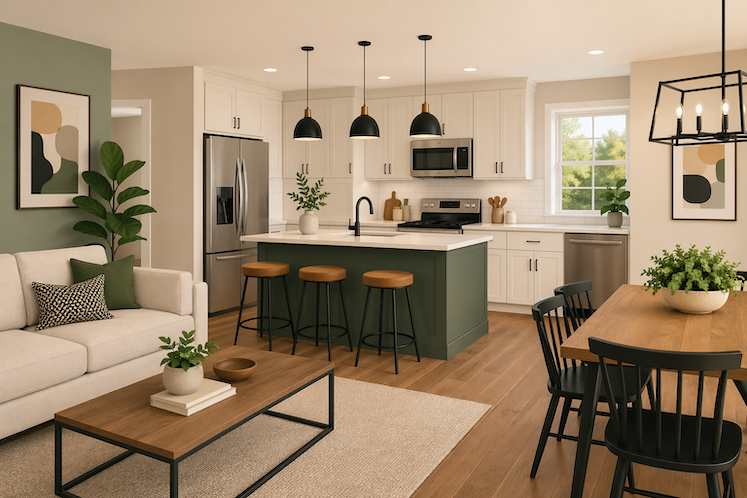
In a rental, practical upgrades often outperform high-end custom work. Refacing or repainting cabinets, replacing outdated hardware, installing durable countertops, and updating the backsplash can dramatically improve the room without requiring a full gut renovation.
New appliances can also help, especially if the existing ones look dated or unreliable. Stainless steel remains popular, but the bigger win is consistency. A matching appliance package gives the kitchen a more intentional, upgraded look.
If you are planning the work in phases, understanding a realistic kitchen remodel timeline can help you manage the renovation efficiently and reduce vacancy between tenants.
Choose Finishes That Appeal to More Renters
Rental renovations should aim for broad appeal. That means neutral finishes, timeless cabinet colors, and surfaces that look clean in both photos and real life.
White, soft gray, beige, and warm wood tones continue to work well because they make the space feel fresh without locking you into a trend that may age quickly. If you are updating a property in South Florida, thoughtful color choices can make a big difference in how open and polished the kitchen feels. Subtle inspiration from kitchen color palettes can help you create a look that feels current without becoming too specific or limiting.
Bathrooms Matter More Than Many Owners Realize
A dated bathroom can drag down the entire property, even if the rest of the home looks decent. Tenants often interpret an old bathroom as a sign of poor maintenance, which can lower trust before they ever sign a lease.
The good news is that bathrooms do not always require a full rebuild to create value.
The Best Bathroom Upgrades for Rental Income
Some of the most effective bathroom updates include:
-
Replacing old vanities
-
Installing modern faucets and fixtures
-
Updating mirrors and lighting
-
Regrouting tile
-
Replacing worn-out toilets
-
Adding fresh caulk and clean finishes
-
Using moisture-resistant paint
If the tub or shower is structurally fine, refinishing it may be more cost-effective than replacing it. The same goes for tile. If the layout works and the material is in decent condition, cosmetic improvements can often go a long way.
A bathroom that feels bright, clean, and well-kept can justify higher rent much more effectively than a bathroom filled with premium finishes that tenants do not notice.
Flooring Has a Huge Impact on Perceived Value
Few things date a rental faster than worn carpet, chipped tile, or mismatched flooring from room to room. Flooring affects appearance, cleanliness, durability, and maintenance, which makes it one of the smartest areas to prioritize.
Durable Flooring Wins Over Fancy Flooring
For rental income, the best flooring is usually something durable, water-resistant, and easy to replace in sections if needed. Luxury vinyl plank is a strong choice for many rentals because it offers the look of wood with better resistance to scratches and moisture.
Tile can also be a good fit, especially in humid or waterfront markets, but it should feel cohesive and not overly busy. Carpet may still work in some bedrooms depending on the target tenant and market expectations, but many landlords now prefer hard-surface flooring throughout for easier turnover and cleaning.
When tenants walk into a property and see clean, updated flooring, the entire home feels newer. It is one of the fastest ways to improve listing photos and first impressions.
Fresh Paint and Better Lighting Create Fast Results
If your budget is limited, start here. Fresh paint and upgraded lighting are two of the most affordable ways to increase rental appeal quickly.
A property with clean walls, modern light fixtures, and balanced lighting instantly feels better maintained. It also photographs far better for online listings, which can help increase showing activity and reduce time on market.
Stick With Clean, Neutral Paint Colors
Neutral paint is still the safest choice for rental properties because it works with more furniture styles and helps the space feel larger. Soft whites, warm grays, greige tones, and muted beige shades tend to appeal to the widest group of renters.
Avoid bold feature walls unless the property is targeted to a very specific design-forward audience. Rental upgrades should make the home easier to rent, not more personal.
Replace Outdated Fixtures
Swap old brass chandeliers, yellowed glass shades, or builder-grade fixtures for simple, modern alternatives. Recessed lighting, flush mounts, vanity lights, and pendant fixtures can make a property feel much more current without adding major labor costs.
Good lighting also improves how tenants experience the space. Dark homes often feel smaller, older, and less cared for, even when the finishes are decent.
Storage and Functionality Can Increase Rentability
Renters consistently value practical space. A beautiful unit that lacks storage often loses out to a simpler property that feels easier to live in.
That means smart renovation decisions should improve day-to-day function, not just appearance.
Storage Upgrades Worth Considering
Useful additions include:
-
Closet organizers
-
Pantry shelving
-
Laundry room storage
-
Bathroom shelving
-
Built-in entry storage
-
Kitchen cabinet organizers
These upgrades are not always expensive, but they make the property more usable. In smaller rentals, they can have an even greater impact because every square foot matters.
If you are renovating a compact property, layout efficiency may be just as important as material selection. Better function often translates into better tenant retention.
Energy Efficiency Pays Off in More Than One Way
Energy-efficient upgrades can boost rental value in both direct and indirect ways. They may lower utility costs, reduce maintenance issues, and make your property more attractive to cost-conscious renters.
For landlords who cover utilities, these upgrades can directly protect operating margins. For tenants who pay their own bills, energy efficiency becomes a strong selling point.
Upgrades That Often Make Sense
Consider improvements such as:
-
LED lighting
-
Low-flow plumbing fixtures
-
Energy-efficient appliances
-
Smart thermostats
-
Updated insulation
-
New windows where needed
-
Sealed doors and air leaks
You do not need to make every efficiency improvement at once. Even modest upgrades can improve comfort and lower overall property wear.
In hot and humid areas, moisture control and insulation matter even more. Waterfront and coastal rentals, in particular, need renovation decisions that balance aesthetics with weather resistance. If that applies to your property, practical ideas drawn from waterfront remodeling ideas can help you avoid costly mistakes while improving the rental’s long-term performance.
Curb Appeal Still Matters for Rental Properties
Many landlords focus so heavily on interiors that they forget the outside of the property sets the tone before a tenant ever steps inside. Curb appeal affects click-through rates on listings, showing attendance, and overall tenant perception.
A rental does not need luxury landscaping to look attractive. It just needs to feel neat, clean, and cared for.
Simple Exterior Upgrades That Work
High-value exterior improvements often include:
-
Pressure washing
-
Fresh exterior paint
-
Updated front doors
-
New house numbers
-
Modern exterior lighting
-
Trimmed landscaping
-
Clean walkways and entry points
If the property has outdoor space, even a small patio refresh can improve its appeal. Tenants increasingly value usable outdoor areas, especially in markets where weather allows for year-round enjoyment.
Know Where Not to Overspend
One of the biggest renovation mistakes investors make is designing for themselves instead of for the market. High-end materials, custom features, and luxury finishes may look impressive, but they do not always increase rental income enough to justify the cost.
The key is to renovate to the standard of the neighborhood and tenant profile. A premium waterfront rental may justify a different level of finish than a standard long-term rental in a more price-sensitive area.
Skip These Common Money Drains
Be cautious about overspending on:
-
Custom cabinetry
-
Exotic stone surfaces
-
Designer fixtures in every room
-
Ultra-high-end appliances
-
Specialty tile work
-
Trend-heavy design choices
-
Features that are hard to repair or replace
Rental renovations should support income, not ego. Every upgrade should answer a simple question: will this help me rent faster, charge more, reduce future repairs, or retain better tenants?
If the answer is no, the upgrade may not belong in the plan.
Think in Terms of Maintenance, Not Just Makeover
The most profitable rental renovation is often the one that reduces future headaches. Landlords who focus only on appearance can end up with materials that chip, stain, crack, or require frequent replacement.
That is why low-maintenance choices matter so much.
Choose finishes that are:
-
Easy to clean
-
Hard to damage
-
Readily available for repair
-
Resistant to moisture and wear
-
Neutral enough to stay relevant for years
This approach helps lower turnover costs and protects your property between tenants. It also makes your maintenance team’s job easier and reduces the odds of emergency repairs tied to aging finishes.
Renovation Strategy Should Match Your Rental Type
Not all income properties should be renovated the same way. Your upgrade priorities should change depending on whether the property is a long-term rental, short-term vacation rental, or seasonal unit.
Long-Term Rentals
For long-term tenants, durability and function usually matter most. Focus on hard-wearing materials, neutral finishes, reliable appliances, and improvements that reduce maintenance calls.
Short-Term Rentals
For short-term rentals, design and visual appeal may carry more weight because online photos influence booking decisions. In those cases, it can make sense to invest slightly more in lighting, decor-friendly finishes, and standout kitchen or bathroom details.
Seasonal or Waterfront Properties
These properties often need a careful balance of style and resilience. Salt air, humidity, and heavy use can wear down materials faster, so you need upgrades that look good while standing up to the environment.
The Best Renovation Plans Begin With ROI
Before starting any project, create a rough return-on-investment framework. Estimate what the property can realistically rent for now, what it could rent for after renovation, and how long it would take to recover your renovation cost.
Also factor in:
-
Reduced vacancy
-
Better tenant quality
-
Lower turnover frequency
-
Lower maintenance costs
-
Stronger resale appeal
Not every upgrade pays you back through rent alone. Some pay off by preserving the property, improving tenant retention, or making the unit easier to manage.
That is why planning matters. A renovation built around rental income should be intentional from day one. Working with professionals who understand scope, sequencing, and cost control can make a major difference, especially when you want to save money long-term instead of fixing mistakes later.
When It Makes Sense to Get Professional Help
A rental renovation can look simple on paper but become expensive when timelines slip, material choices miss the mark, or contractors work without a clear plan. Coordinating flooring, paint, plumbing, electrical, and finish work in the right order is what keeps the budget and vacancy period under control.
That is where professional remodeling support can help. Instead of approaching the property piece by piece, you can create a smarter plan based on tenant demand, market fit, and cost-effective execution. If you are ready to improve a property’s rental performance, a good next step is to get your estimate and map out the upgrades that make the most sense for your goals.
Conclusion
Renovating for rental income is not about doing the most work. It is about doing the right work. The upgrades that matter most are the ones tenants notice, use, and value every day: kitchens that feel current, bathrooms that feel clean, floors that hold up, lighting that improves the space, and finishes that reduce future maintenance.
When you approach home renovation with rental income in mind, your decisions become clearer. Focus on durability over flash, function over excess, and broad appeal over personal taste. That is how you create a property that rents faster, performs better, and stays profitable over time.