

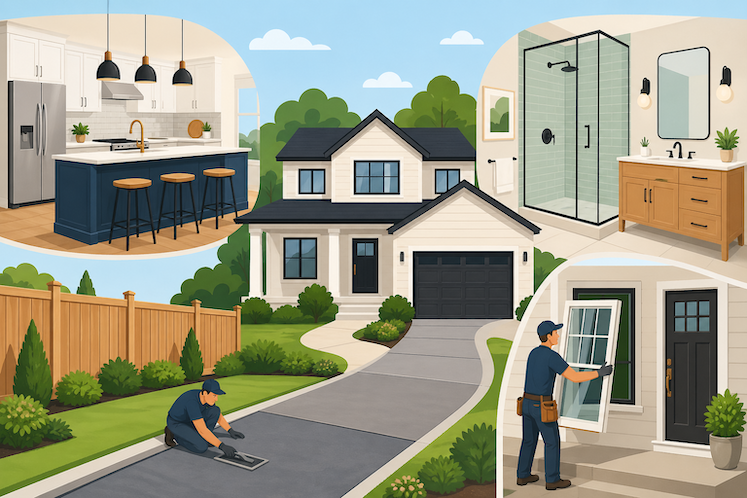
Home remodeling can absolutely be worth it, but the real answer depends on what you remodel, how much you spend, and whether the project improves both your lifestyle and your home’s resale value.
For many homeowners, remodeling is not just about making a house look better. It is about creating a more functional space, fixing outdated features, improving energy efficiency, and protecting the long-term value of the property.
The key is understanding return on investment, often called ROI. Some home remodeling projects deliver strong resale value, while others are more about comfort, style, or personal enjoyment. The best decisions usually balance both.
What Does ROI Mean in Home Remodeling?
Home remodeling ROI measures how much value a renovation adds compared to how much it costs.
For example, if you spend $20,000 on a project and it increases your home’s resale value by $14,000, your ROI is 70%. That does not mean the project was a bad decision. It simply means you recovered 70% of the cost through added property value.
The rest of the value may come from better daily use, improved comfort, lower maintenance, or a home that sells faster when listed.
Is Home Remodeling Worth It for Homeowners?
Yes, home remodeling is often worth it when the project solves a real problem or improves a high-impact area of the home.
A smart remodel can make your home more attractive, more efficient, and more comfortable. It can also help prevent bigger repair costs later, especially when outdated systems, damaged surfaces, or poor layouts are involved.
The most worthwhile remodeling projects usually fall into three categories:
They improve curb appeal.
They upgrade highly used rooms.
They fix functional or structural issues.
When a project checks more than one of those boxes, the investment usually makes more sense.
The Best Home Remodeling Projects for ROI
Not every upgrade delivers the same return. Some projects are strong value builders, while others are more personal.
The highest-ROI projects tend to improve first impressions, everyday functionality, and buyer confidence.
Kitchen Remodeling and Home Value
The kitchen is one of the most important spaces in any home. Buyers pay close attention to it because it affects daily living, entertaining, storage, and overall home appeal.
A kitchen remodel does not always need to be massive to be worthwhile. In many cases, a practical refresh delivers better ROI than a luxury overhaul.
Updating cabinets, countertops, lighting, backsplashes, fixtures, and flooring can make the kitchen feel modern without overbuilding for the neighborhood. Homeowners planning larger upgrades often benefit from professional custom kitchen remodeling that improves both layout and finish quality.
A kitchen remodel is usually worth it when the current space feels dated, cramped, poorly lit, or inefficient.
Bathroom Remodeling ROI
Bathroom remodels are also strong value drivers because they improve comfort and functionality in a space used every day.
Common high-value upgrades include new vanities, walk-in showers, updated tile, better ventilation, modern lighting, and water-efficient fixtures.
Like kitchens, bathroom remodels should match the home’s price range. Overspending on luxury materials in a modest property may not return as much at resale. However, a clean, modern, well-designed bathroom can make a home feel much more move-in ready.
Whole-Home Remodeling Projects
Whole-home remodeling can be worth it when the property has outdated layouts, worn finishes, or multiple areas that need attention.
Instead of fixing one room at a time, a larger remodel can create consistency throughout the home. This is especially valuable when flooring, paint, trim, lighting, and layout changes need to work together.
For homeowners who want a more complete transformation, professional home remodeling services can help connect design choices, construction planning, and long-term value.
Whole-home remodeling usually makes the most sense when you plan to stay in the home for several years or when the property needs significant updates before selling.
Doors and Windows: Small Changes, Big Impact
Replacing doors and windows can improve curb appeal, energy efficiency, security, and indoor comfort.
Old windows may allow drafts, increase utility bills, and make the home feel dated. Worn exterior doors can also affect first impressions before a buyer even walks inside.
Modern doors and windows can help refresh the home’s appearance while improving function. This type of upgrade is especially valuable when existing units are damaged, inefficient, or visually outdated.
Curb Appeal and Exterior Improvements
Curb appeal has a major impact on perceived home value. Buyers often form an opinion before entering the property.
Exterior remodeling can include siding updates, trim repairs, new paint, entryway upgrades, landscaping, fencing, and driveway improvements.
A clean, well-maintained exterior suggests the home has been cared for. That can make buyers more confident and reduce hesitation during the decision process.
Fence Installation and Property Value
A fence can add privacy, security, and structure to outdoor spaces. For families with children or pets, it can be a major selling point.
While fencing ROI varies by material and neighborhood, it often improves usability. A fenced backyard feels more finished and functional, especially in suburban areas.
Adding durable fence installation can be worth it when privacy, safety, or property definition matters to homeowners and future buyers.
Driveway Remodeling and First Impressions
The driveway is another exterior feature that can affect curb appeal. Cracked, stained, uneven, or aging driveways can make the whole property look neglected.
A fresh driveway improves both appearance and function. It can also make parking easier and safer.
Professional driveway remodeling solutions are especially worth considering when the existing surface has visible damage or drainage issues.
When Home Remodeling May Not Be Worth It
Home remodeling is not always a guaranteed win. Some projects cost more than they return, especially when they are too personalized or too expensive for the area.
A remodel may not be worth it if:
The project is far above neighborhood standards.
The design is too specific to your taste.
The home has bigger repair issues that remain unaddressed.
You are remodeling only to chase trends.
You choose low-quality work that needs repairs later.
For example, installing ultra-luxury finishes in a mid-range neighborhood may not bring the expected resale value. Buyers may appreciate the upgrade, but they may not pay enough extra to cover the cost.
How to Calculate Remodeling ROI
To estimate remodeling ROI, start with the total project cost. Then compare that cost to the expected increase in home value.
The basic formula is:
ROI = Added Home Value ÷ Project Cost × 100
If a remodel costs $30,000 and adds $21,000 in resale value, the ROI is 70%.
However, numbers do not tell the whole story. A project can still be worthwhile if it improves your daily life, reduces maintenance, or helps the home sell faster.
Factors That Affect Home Remodeling ROI
Several factors influence whether a remodeling project pays off.
Location and Neighborhood Standards
Your neighborhood plays a big role in ROI. Buyers compare homes nearby, so upgrades should make sense for the area.
A remodel that matches local expectations can increase value. A remodel that goes far beyond nearby homes may not return as much.
Quality of Workmanship
Poor workmanship can hurt value instead of increasing it. Even expensive materials will not help if the installation looks unfinished or causes problems later.
Professional planning and skilled labor matter because buyers notice details.
Material Choices
Materials should be durable, attractive, and appropriate for the home.
You do not always need the most expensive option. Mid-range materials often deliver better ROI because they look good, perform well, and keep costs controlled.
Timing of the Remodel
If you plan to sell soon, focus on broad-appeal upgrades. If you plan to stay for many years, comfort and lifestyle improvements may matter more.
The best projects serve your needs now while still appealing to future buyers.
Personal Value vs Resale Value
ROI is important, but resale value is not the only reason to remodel.
A new kitchen may make cooking easier. A better bathroom may improve your morning routine. New windows may make the home quieter and more comfortable. A fence may make your yard more usable.
These benefits do not always show up fully in a resale calculation, but they still matter.
The smartest remodeling decisions consider both financial return and personal value.
How to Get the Most Value From a Remodel
To improve your chances of a strong ROI, start with a clear plan.
Focus on projects that solve real issues. Prioritize areas that buyers notice. Avoid over-customizing. Choose materials that balance quality and cost. Work with experienced professionals who understand both design and construction.
It also helps to think about the home as a whole. A beautiful kitchen can lose impact if nearby flooring, paint, or trim looks neglected. Consistency creates a stronger impression.
Should You Remodel Before Selling?
Remodeling before selling can be worth it, but it depends on the condition of the home and the local market.
If your home is outdated compared to similar listings, strategic updates can help it compete. Fresh paint, modern fixtures, curb appeal improvements, and minor kitchen or bathroom updates can make a big difference.
However, major renovations right before selling should be approached carefully. You may not have enough time to enjoy the improvements, and you may not recover the full cost.
Before selling, focus on visible, practical upgrades that make the home feel clean, updated, and move-in ready.
Should You Remodel If You Plan to Stay?
If you plan to stay in your home, remodeling can be even more worthwhile.
You get the benefit of enjoying the upgrades every day. The ROI is not just measured at resale. It also comes from comfort, convenience, pride of ownership, and better use of space.
In this case, the best remodel is one that fits your lifestyle while still making smart financial sense.
FAQ: Home Remodeling ROI
What home remodel has the best ROI?
Kitchen updates, bathroom remodels, window replacements, exterior improvements, and curb appeal upgrades often provide strong ROI. The best project depends on your home’s condition, location, and budget.
Is it better to remodel or move?
Remodeling may be better if you like your location and the home’s structure works for your needs. Moving may make more sense if the layout, size, or neighborhood no longer fits your lifestyle.
How much should I spend on home remodeling?
Your budget should depend on your home value, goals, and local market. Avoid spending far more than nearby homes can support, especially if resale value is a major priority.
Does remodeling always increase home value?
Most well-planned remodeling projects increase appeal and usability, but not all projects recover their full cost. ROI depends on project type, quality, cost, and buyer demand.
Is a kitchen remodel worth it?
Yes, a kitchen remodel is often worth it because the kitchen strongly influences daily living and resale appeal. A practical, well-designed kitchen update usually performs better than an overly expensive custom upgrade.
What renovations should I avoid before selling?
Avoid highly personalized designs, luxury upgrades that do not match the neighborhood, and major projects that may not return enough value before listing.
Conclusion
Home remodeling is worth it when the project improves function, comfort, appearance, and long-term value. The strongest ROI usually comes from smart upgrades to kitchens, bathrooms, doors, windows, exteriors, fencing, driveways, and overall layout.
The goal is not always to recover every dollar immediately. A good remodel should make your home easier to enjoy now while making it more appealing and valuable later.