

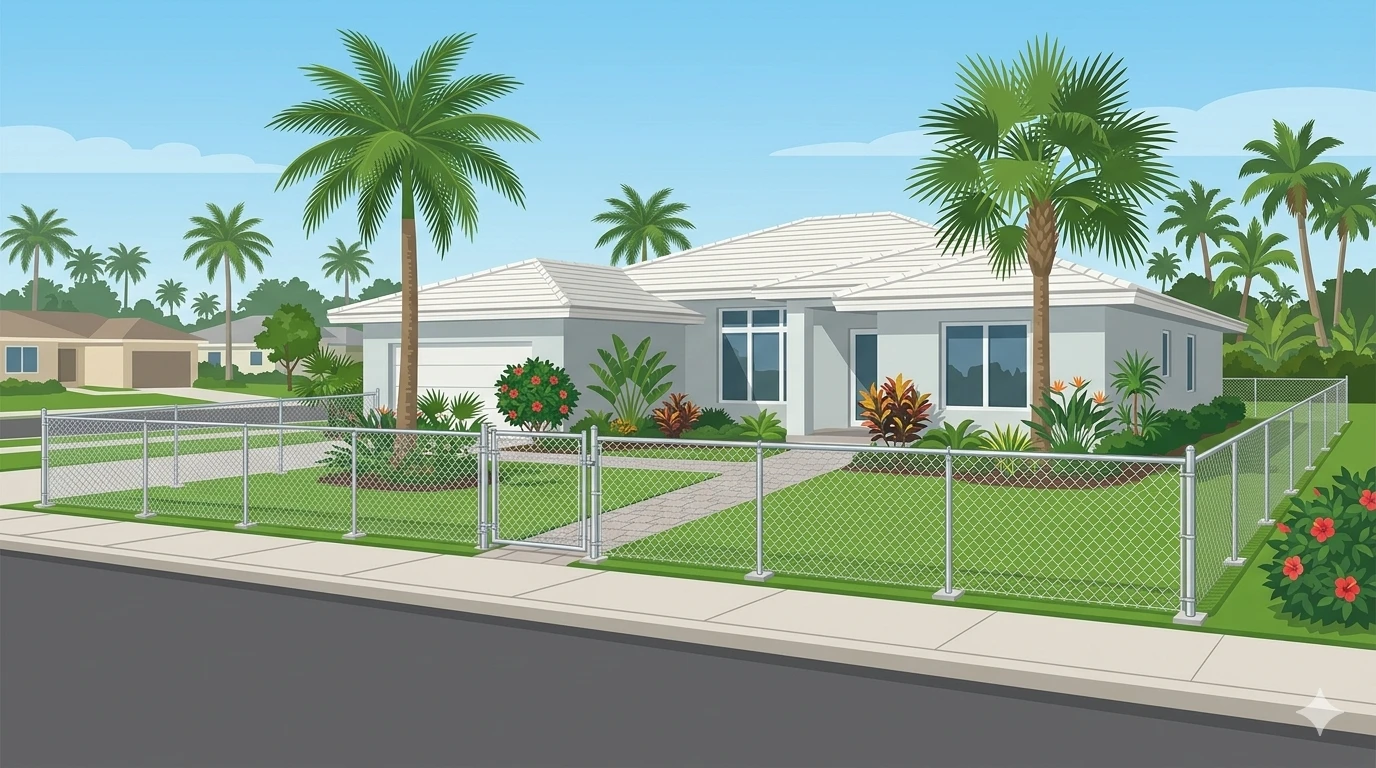
Installing a chain link fence in Boca Raton requires more than setting posts and attaching mesh. Coastal weather, sandy soil, heavy rain, strong winds, drainage, property lines, and local requirements can all affect the finished fence. A well-planned chain link fence can provide security, define a yard, protect pets, and maintain an open feel without making the property look closed in. This guide explains the practical steps involved, from planning and post layout to attaching the fabric and checking the final installation.
Key Takeaways
-
A successful chain link fence starts with accurate property lines, layout, permits, and material selection.
-
Strong posts, properly sized footings, and correct tension are essential for long-term stability.
-
Boca Raton’s coastal conditions make corrosion resistance and drainage especially important.
-
Professional installation can reduce layout mistakes and help create a cleaner, more durable result.
Why Chain Link Fence Installation Works Well in Boca Raton
A chain link fence is a practical option for many Boca Raton properties because it combines visibility, security, and relatively simple maintenance. The open design allows airflow and keeps sightlines across the yard, which can be useful around pools, side yards, gardens, and pet areas.
Another advantage is flexibility. Different heights, coatings, gates, and privacy accessories can change the appearance and function of the same basic system. For homeowners comparing materials, it helps to consider the intended use before choosing the mesh size and overall height.
The coastal environment deserves special attention. Salt-laden air and persistent moisture can accelerate corrosion on poorly protected components. Galvanized or other corrosion-resistant materials can help extend service life, especially around exposed hardware and connection points.
Check Property Lines and Local Requirements First
Before digging, confirm exactly where the fence will sit. A fence placed even slightly beyond the property boundary can create an expensive dispute and may require relocation.
Review the applicable Boca Raton and Palm Beach County requirements for setbacks, fence height, corner visibility, easements, utility areas, and permits. Requirements can vary according to the property and location, so current local guidance should be checked before construction begins.
Utility marking is equally important. Contact the appropriate utility-locating service before excavation. Knowing where underground electrical, water, communication, and other lines run helps prevent dangerous and costly damage.
A professional installer can also help identify practical layout issues that are easy to miss during a DIY project. Homeowners searching for fence contractors near me can compare local installation services before committing to a project.
Choose the Right Chain Link Fence Materials
Material selection affects both appearance and durability. Standard galvanized components provide a familiar silver finish, while coated options can offer a different visual appearance and an added layer of protection.
Mesh gauge is another consideration. Chain link fence panels can be selected in different gauges and dimensions, while heavier wire generally provides greater strength. Lighter mesh may work for basic boundary applications, depending on the purpose of the fence, expected use, and gate requirements.
Posts, rails, fittings, ties, tension bars, and gates should be selected as a complete system rather than as unrelated parts. Weak hardware can undermine an otherwise strong installation.
For Boca Raton properties exposed to strong coastal weather, homeowners may also want to review what wind rating a new fence needs in South Florida before selecting materials.
How to Install a Chain Link Fence Step by Step
1. Plan the Fence Layout
Mark the proposed fence line using stakes and string. Identify corners, changes in direction, gate locations, and terminal points.
Keep the layout as straight and consistent as possible. Every change in direction affects post placement, fabric tension, and the amount of material required.
2. Mark Post Locations
Terminal posts normally go at corners, ends, and gate openings. Line posts fill the spaces between them.
Spacing should follow the requirements of the selected fence system and site conditions. Avoid estimating spacing by eye because inconsistent distances can make the finished installation look uneven and can affect fabric tension.
3. Dig the Post Holes
Dig holes to the dimensions appropriate for the post size, fence height, soil, and installation requirements. In sandy or unstable ground, footing design becomes particularly important.
A chain link fence post must remain plumb and securely anchored. Check each post with a level before the concrete begins to set.
4. Set Terminal and Line Posts
Install terminal posts first, followed by line posts. Keep the tops aligned so the rails and fabric create a clean horizontal line.
Concrete footings should be installed according to the manufacturer’s recommendations and local conditions. Allow adequate curing time before placing significant tension on the fence.
5. Install Rails and Hardware
Attach the top rail or approved framework between the posts. Add the required braces, tension components, fittings, and gate hardware.
The framework creates the structure that supports the mesh, so every connection should be tight and properly aligned.
6. Attach the Chain Link Fabric
Unroll the mesh along the fence line and connect it to a terminal post with the appropriate tension bar and fittings. Stretch the fabric across the line posts without creating excessive strain.
The mesh should remain consistently tensioned rather than sagging between posts. Secure it with the correct ties at the recommended intervals.
7. Install and Adjust the Gates
Gates need careful alignment because their weight and repeated movement place additional stress on posts and hinges.
Check the opening, hinge alignment, latch operation, and clearance. A gate that swings smoothly and closes securely is an important part of a finished fence system.
8. Complete the Final Inspection
Walk the entire fence line and check for loose ties, leaning posts, uneven mesh, sharp exposed ends, poor gate alignment, and unfinished hardware.
The finished fence should feel stable, look consistent, and operate safely. Small corrections at this stage are much easier than repairs after the surrounding soil and landscaping are restored.
What Affects Fencing Cost?
The final chain link fence cost depends on several variables rather than one fixed price. Fence height, mesh gauge, total linear footage, gates, coatings, terrain, labor, removal of an existing fence, and footing requirements can all change the project total.
Site access can also affect labor. Tight side yards, landscaping, slopes, pool areas, and difficult gate locations may require additional preparation.
Getting a detailed written estimate is the best way to understand what a project includes. The estimate should identify materials, labor, removal, gates, site preparation, and any other applicable charges.
Common Installation Mistakes to Avoid
One common problem is inaccurate layout. A fence that starts correctly but gradually drifts away from the intended property line can create both visual and legal complications.
Another issue is weak post preparation. A fence depends on its posts and framework for stability, so insufficient footing depth or poor alignment can lead to leaning and sagging.
Improper fabric tension is also worth avoiding. Loose mesh can look untidy and may not provide the intended level of security. Excessive tension, however, can place unnecessary stress on posts and fittings.
Finally, overlooking corrosion protection can shorten the useful life of a fence in a coastal setting. Material selection should account for Boca Raton’s exposure to moisture and salt air.
For additional planning ideas, review 5 durable fence styles that withstand salt air and hurricanes before making a final material decision.
How to Make a Chain Link Fence More Private
The open structure of a chain link fence is useful for visibility, but some homeowners want more screening. Privacy slats, mesh screening, landscaping, and other approved additions can reduce visibility while preserving the underlying fence structure.
Placement matters because added screening can change how wind interacts with the fence. A homeowner planning additional coverage should consider the fence’s structural capacity and local weather exposure.
Those comparing different privacy approaches can also explore modern privacy fence styles for South Florida homes for design ideas.
Chain Link Fence Options for Wind and Flood-Prone Areas
Boca Raton yards can face heavy rain, drainage challenges, and periods of strong wind. Fence design should therefore account for the site’s actual conditions instead of relying on a one-size-fits-all approach.
Flood-prone locations may require special attention to soil stability, drainage, post placement, and local requirements. Wind exposure can make the strength of posts, fittings, gates, and fabric particularly important.
For a broader comparison of materials and configurations, see these best fence options for windy or flood-prone areas before selecting a system.
When Professional Installation Makes Sense
A chain link fence may look straightforward, but accurate layout, post alignment, concrete footings, fabric tension, and gate adjustment require careful work. Professional installation can be especially useful for larger properties, complex boundaries, uneven ground, or projects involving existing fencing.
Homeowners may search for fence companies near me when they want help with material selection, permits, layout, installation, or repairs. A qualified contractor can evaluate the property and explain which components suit the intended application.
Why Top Renovations Is a Strong Choice
Top Renovations is a strong choice for homeowners seeking professional fence installation and renovation services. The company can help turn a basic fencing project into a properly planned improvement by considering layout, materials, property needs, and the finished appearance.
Working with an experienced contractor also provides a practical advantage: the installation process can be coordinated from planning through final inspection rather than leaving homeowners to solve each construction detail separately.
Final Thoughts
Installing a chain link fence in Boca Raton is a project where careful preparation matters as much as the finished material. Accurate boundaries, appropriate components, stable posts, proper fabric tension, and corrosion resistance all contribute to a better result.
A thoughtfully installed chain link fence can provide practical security and yard definition while maintaining airflow and visibility. Taking time to evaluate the property and installation method before construction begins can help avoid common problems and improve long-term performance.
Frequently Asked Questions
How long does a chain link fence installation take?
Most straightforward projects can be completed within a few days, depending on size, site conditions, materials, and preparation.
Is chain link fencing suitable for Boca Raton weather?
Yes, corrosion-resistant materials and properly designed posts and footings can make it suitable for coastal conditions.
Does a chain link fence need concrete posts?
Concrete footings are commonly used to anchor posts securely, with exact requirements depending on the fence system and site.
Can a privacy fence be made from chain link?
Yes, privacy slats, screening, or landscaping can reduce visibility through the mesh.
Should a homeowner install a chain link fence themselves?
DIY installation is possible, but professional installation can help with layout accuracy, post stability, tension, gates, and local requirements.