

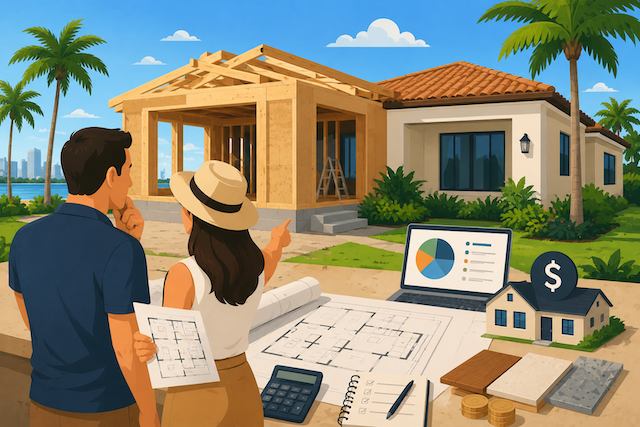
If your home is starting to feel tight, you are not alone. Growing families, multi-generational living, and the shift toward working from home have made extra space a top priority for many South Florida homeowners. Moving is one option, but it is expensive, disruptive, and often means leaving a neighborhood you love.
A home addition offers a practical alternative. Adding square footage to your existing property gives you the room you need without the hassle of selling and relocating. But the process comes with its own set of questions. How much does it cost? What permits do you need? How long does it take?
This guide covers everything South Florida homeowners need to know before starting a home addition project.
Why South Florida Homeowners Are Adding Space
Homes in Miami, Fort Lauderdale, Boca Raton, and surrounding areas were not always built with today’s lifestyle in mind. Many older floor plans feature smaller bedrooms, limited living areas, and minimal flex space.
A home addition lets you tailor your property to how you actually live. Maybe you need a ground-floor master suite for an aging parent. Perhaps you want a dedicated home office away from the main living areas. Or you might simply need a larger kitchen and family room for entertaining.
Whatever the reason, adding space to your existing home often makes more financial sense than trading up. You keep your current mortgage rate, your established neighborhood, and the upgrades you have already made.
Types of Home Additions to Consider
Before you dive into budgets and permits, it helps to understand what kind of addition fits your property and your needs.
Room Additions
A room addition extends your home’s footprint by building outward. This could be a new bedroom, a home office, a playroom, or a guest suite. Room additions typically require foundation work, new roofing, and tying into your existing HVAC and electrical systems.
Bump-Out Additions
Bump-outs are smaller extensions that add a few feet to an existing room. They are common for expanding kitchens, bathrooms, or living areas where you just need a bit more breathing room. Bump-outs cost less than full room additions because they involve less structural work.
Second-Story Additions
Building up instead of out is an option when your lot has limited space. Second-story additions add significant square footage but require careful structural engineering. They also mean living through a more disruptive construction process.
Sunroom and Florida Room Additions
Sunrooms and enclosed patios are popular in South Florida because they take advantage of the warm climate. A screened-in porch or four-season sunroom adds usable living space at a lower cost than a fully conditioned room addition.
How Much Does a Home Addition Cost in South Florida?
Cost is the first question most homeowners ask, and for good reason. Home additions represent a serious investment, and prices vary widely depending on the scope of work.
In South Florida, homeowners typically pay between $150 and $300 per square foot for a home addition. The final number depends on several factors:
- Type of addition. A second-story addition costs more per square foot than a ground-floor bump-out because of structural requirements.
- Quality of finishes. Custom cabinetry, premium flooring, and high-end fixtures drive the price up.
- Site conditions. Slab foundations, soil type, and access for equipment all affect cost.
- Permits and fees. South Florida municipalities have their own fee structures for building permits.
- HVAC and electrical. Tying new space into your existing systems adds to the total.
For a 400-square-foot room addition, you might expect to spend between $60,000 and $120,000. For something more complex, like a second-story addition, the cost can climb higher.
If you are curious how this compares to other types of renovation work, our breakdown of Miami home renovation costs per square foot provides helpful context for budgeting.
Permits and Regulations in South Florida
You cannot simply start building. South Florida has strict building codes, especially when it comes to structural integrity and hurricane resistance. Any home addition that changes your home’s footprint or structure requires permits.
What Permits You Need
Most home additions require:
- Building permit
- Electrical permit
- Plumbing permit
- Mechanical (HVAC) permit
Your contractor should handle the permitting process, but it helps to understand what is involved. Plans must be submitted to your local building department for review. The review process can take several weeks, depending on the municipality.
Hurricane and Wind Codes
South Florida is in a high-velocity hurricane zone. Additions must meet stricter wind load requirements than homes in other parts of the country. This affects everything from roof tie-downs to window specifications. Impact-rated windows and doors are often required for new additions.
Setback Requirements
Most properties have setbacks that determine how close a structure can be to property lines. Before planning your addition, your contractor will verify that your lot allows for the extra square footage within these limits.
If you are considering removing any interior walls as part of your addition, it is worth reviewing South Florida wall removal rules so you know what is load-bearing and what needs engineering approval.
Planning and Design Phase
A successful home addition starts long before the first shovel hits the ground. The planning phase is where you make decisions that affect cost, timeline, and livability.
Work With an Architect or Designer
For most additions, you will need architectural drawings. An architect or residential designer helps you maximize your space while ensuring the addition feels cohesive with the rest of your home. They also produce the plans required for permit submission.
Define Your Must-Haves
Make a list of what the new space needs to accomplish. If you are adding a bedroom, does it need a walk-in closet and en-suite bathroom? If you are building a home office, do you require soundproofing and extra electrical outlets? Knowing your priorities early prevents costly change orders later.
Consider Flow and Access
A well-designed addition does not feel like an afterthought. Think about how the new space connects to the rest of your home. Hallways, doorways, and sight lines all matter. The goal is an addition that feels like it was always part of the original floor plan.
Timeline: How Long Does a Home Addition Take?
Home additions are not quick projects. From initial planning to final inspection, most additions take four to eight months.
Here is a rough timeline:
- Design and permitting: 4 to 8 weeks
- Demolition and site prep: 1 to 2 weeks
- Foundation and framing: 3 to 6 weeks
- Roofing, windows, and siding: 2 to 4 weeks
- Electrical, plumbing, and HVAC: 3 to 5 weeks
- Drywall, flooring, and finishes: 4 to 6 weeks
- Final inspections and punch list: 1 to 2 weeks
Delays happen. Material shortages, weather, and inspection scheduling can push your timeline out. Building some flexibility into your schedule helps keep stress low.
For a closer look at what can slow down a project, read our guide on understanding renovation timelines and common delays.
Budgeting for the Unexpected
Every renovation comes with surprises, and home additions are no exception. Most professionals recommend setting aside a contingency fund of 15 to 20 percent of your total budget.
Common unexpected costs include:
- Hidden rot or termite damage discovered during demolition
- Outdated electrical panels that need upgrading
- HVAC systems that cannot handle the additional square footage
- Unexpected soil conditions requiring foundation adjustments
Planning for these possibilities upfront means you will not have to pause construction while you figure out financing.
If you are looking for ways to keep your project on track financially, our tips on how to stay on budget during a home renovation cover strategies that apply to additions just as much as remodels.
Choosing the Right Contractor
Not every renovation contractor is equipped to handle home additions. Additions involve structural work, foundation engineering, and coordination with multiple subcontractors. You want a team with specific experience in this type of project.
Look for a contractor who:
- Has built home additions before, not just interior remodels
- Carries proper licensing and insurance
- Provides detailed written estimates
- Communicates clearly about timelines and expectations
- Has positive reviews and references from similar projects
Working with a local team familiar with South Florida building codes makes a real difference. They know what the local inspectors look for and how to design additions that hold up in this climate.
There is a reason why hiring a professional renovation company saves you more in the long run, especially for complex work like home additions.
Will a Home Addition Increase Property Value?
Generally, yes. Adding square footage to a home increases its market value, but the return on investment depends on how well the addition is designed and executed.
A well-planned bedroom addition or master suite expansion typically recovers 50 to 65 percent of its cost at resale. Kitchen expansions and family room additions often perform similarly.
Location matters too. In desirable South Florida neighborhoods where buyers compete for limited inventory, a home with more square footage stands out. The key is making sure your addition matches the overall quality and style of your home. A mismatched addition can hurt value rather than help it.
For a broader view of what pays off, check out our list of renovation projects that boost South Florida home value.
Final Thoughts
A home addition is one of the most impactful improvements you can make to your property. It gives you space to grow without leaving the home and neighborhood you have invested in. But it also requires careful planning, a realistic budget, and the right team to execute the work.
Start by defining your goals clearly. Work with professionals who understand South Florida’s unique building requirements. And give yourself enough time and financial cushion to handle whatever comes up during construction.
When done right, a home addition does not just add square footage. It improves how you live every day while increasing the long-term value of your property.