

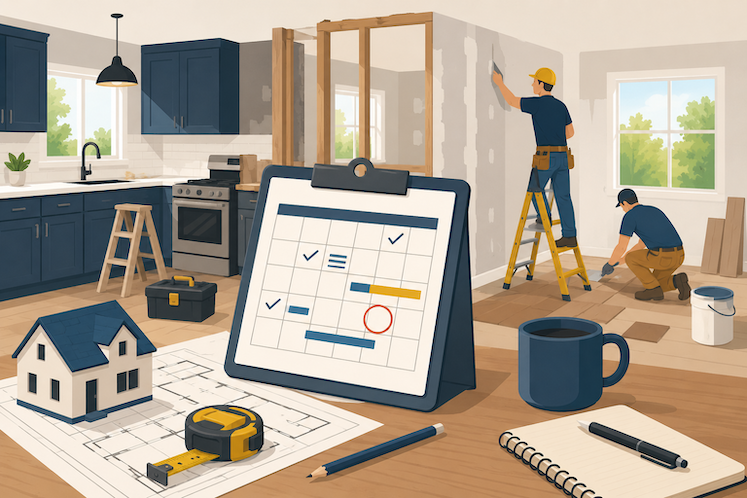
Home renovation projects are exciting. Whether you’re updating a kitchen, transforming a bathroom, or planning a complete home makeover, the anticipation of seeing the finished result can make it tempting to focus only on the end goal.
However, one of the most common questions homeowners ask before starting a renovation is: “How long will it take?”
The truth is that every renovation follows a timeline, but not every project goes exactly according to schedule. Understanding what affects renovation timelines and recognizing potential delays before they happen can help you set realistic expectations, reduce stress, and make better decisions throughout the process.
If you’re planning a remodeling project, here’s what you need to know about home renovation timelines, why delays happen, and how to keep your project moving forward.
Why Renovation Timelines Matter
A renovation timeline is more than just a projected completion date. It serves as a roadmap that guides contractors, suppliers, designers, and homeowners throughout the project.
When expectations are aligned from the beginning, it’s easier to coordinate deliveries, schedule inspections, manage budgets, and plan daily life around construction activities.
Without a clear timeline, projects can become frustrating, expensive, and disruptive.
Understanding the renovation process helps homeowners prepare for the realities of construction while avoiding unnecessary surprises.
Typical Home Renovation Timelines
Every project is unique, but most renovations follow a similar progression.
Small Renovation Projects
Minor upgrades typically take between one and four weeks.
Examples include:
-
Interior painting
-
Flooring replacement
-
Fixture upgrades
-
Minor bathroom updates
-
Cosmetic improvements
Because these projects involve fewer trades and less demolition, they generally move quickly.
Kitchen Renovations
Most kitchen remodels take between six and twelve weeks once construction begins.
Factors that influence timing include:
-
Cabinet manufacturing
-
Countertop fabrication
-
Plumbing updates
-
Electrical modifications
-
Appliance availability
Bathroom Renovations
Bathroom remodeling projects typically take four to eight weeks.
Projects involving structural changes, custom tile work, or plumbing relocation often require additional time.
Whole-Home Renovations
Comprehensive renovations can take anywhere from three months to a year or longer depending on the home’s size and scope.
These projects often involve multiple rooms, permit approvals, structural work, and coordination among several specialized trades.
The Phases of a Home Renovation Timeline
Understanding each stage of a renovation helps explain why projects take longer than many homeowners initially expect.
Planning and Design Phase
The planning stage often takes two to eight weeks.
During this phase, homeowners work with designers and contractors to:
-
Define project goals
-
Create layouts
-
Select materials
-
Establish budgets
-
Finalize designs
Changes made during construction often create delays, which is why thorough planning is so important.
Permitting and Approval Phase
Depending on the municipality, permits may take days or several weeks to obtain.
Projects involving:
-
Structural modifications
-
Electrical work
-
Plumbing changes
-
Additions
typically require permit approval before construction begins.
Permit timelines vary significantly based on local regulations and review requirements.
Demolition Phase
Demolition is usually one of the fastest stages.
Most demolition work takes several days to two weeks depending on project size.
While demolition may seem straightforward, it often reveals hidden issues that can impact schedules.
Construction Phase
This is typically the longest stage of the renovation process.
Construction includes:
-
Framing
-
Plumbing
-
Electrical work
-
HVAC modifications
-
Drywall installation
-
Cabinetry
-
Painting
-
Finish work
Each task depends on the successful completion of previous steps, making scheduling critical.
Final Inspection and Punch List
Once major work is complete, contractors perform final inspections and address any remaining items.
This phase may take several days or weeks depending on inspection schedules and project complexity.
Common Reasons Renovation Projects Get Delayed
Even the most organized projects can encounter obstacles.
Understanding these common causes of delays can help homeowners prepare accordingly.
Material Availability Issues
Supply chain disruptions continue to affect many construction products.
Custom materials such as:
-
Cabinets
-
Specialty tiles
-
Windows
-
Doors
-
Fixtures
can sometimes require extended lead times.
Ordering materials early is one of the best ways to reduce schedule risks.
Permit Approval Delays
Permit offices experience varying workloads throughout the year.
Unexpected review requirements, revisions, or inspection scheduling conflicts can extend project timelines.
Working with experienced contractors familiar with local permitting processes helps minimize these issues.
Weather Conditions
Weather is often a significant factor for exterior renovations.
Projects involving:
-
Roofing
-
Exterior painting
-
Outdoor living spaces
-
Additions
-
Concrete work
can be delayed by rain, storms, or extreme temperatures.
In South Florida, weather-related planning is particularly important during hurricane season.
Hidden Structural Problems
One of the most common renovation surprises occurs after demolition begins.
Contractors may discover:
-
Water damage
-
Mold
-
Termite damage
-
Outdated wiring
-
Plumbing issues
-
Structural deterioration
These problems must typically be addressed before renovation work can continue.
While frustrating, resolving hidden issues protects your investment and ensures long-term safety.
Design Changes During Construction
Homeowners sometimes decide to make changes after construction starts.
Although modifications may improve the final result, they often affect schedules.
Examples include:
-
Changing floor plans
-
Selecting different materials
-
Adding features
-
Expanding project scope
Every change requires additional coordination, ordering, and labor.
Labor Scheduling Challenges
Renovations often involve multiple specialists working in sequence.
A project may require:
-
Electricians
-
Plumbers
-
Carpenters
-
Tile installers
-
Painters
-
Inspectors
If one phase falls behind schedule, it can impact every trade that follows.
How Homeowners Can Help Prevent Delays
While some delays are unavoidable, homeowners can take several proactive steps to keep projects moving smoothly.
Finalize Decisions Early
Choosing materials, finishes, fixtures, and layouts before construction starts reduces interruptions later.
The fewer decisions left unresolved, the fewer opportunities for delays.
Establish a Realistic Budget
Budget constraints often cause unexpected interruptions.
Setting aside contingency funds helps cover unforeseen expenses without halting progress.
Communicate Clearly With Contractors
Consistent communication helps identify issues before they become major problems.
Regular project updates ensure everyone remains aligned on schedules, expectations, and next steps.
Avoid Frequent Scope Changes
Adding new features midway through a renovation often increases both costs and timelines.
Whenever possible, finalize project goals before construction begins.
Choose Experienced Professionals
Experienced contractors understand how to manage schedules, coordinate trades, and anticipate challenges.
Working with knowledgeable renovation professionals significantly improves project efficiency.
Setting Realistic Expectations for Your Renovation
Many television renovation shows create unrealistic expectations about construction timelines.
What appears to happen in a few days on television often requires weeks or months in real life.
A successful renovation is not simply about speed.
It’s about:
-
Quality workmanship
-
Proper planning
-
Safe construction practices
-
Long-term durability
-
Compliance with local building codes
Allowing adequate time for each phase often produces better results and fewer costly mistakes.
Exterior Renovations Can Have Unique Timeline Factors
Outdoor remodeling projects often involve additional variables.
Fence installations, landscaping, outdoor kitchens, and exterior improvements may require separate approvals, utility coordination, and weather considerations.
For example, homeowners evaluating modern fencing options often discover that site conditions and permitting requirements can influence installation schedules.
Planning ahead helps ensure these projects remain on track.
How Renovation Timelines Affect Home Value
A well-managed renovation not only improves your living space but can also increase property value.
Projects completed with proper planning tend to deliver better results because contractors have adequate time to focus on quality and detail.
Many homeowners prioritize improvements featured in this overview of high-value renovation projects when planning upgrades designed to maximize long-term returns.
Understanding project timelines helps ensure those investments are completed correctly.
Working With the Right Renovation Partner
One of the most effective ways to reduce delays is partnering with a contractor who prioritizes communication, planning, and project management.
A professional renovation team can:
-
Create realistic schedules
-
Coordinate trades efficiently
-
Manage permits and inspections
-
Address issues proactively
-
Keep homeowners informed throughout the process
If you’re considering a remodeling project, requesting a personalized home remodeling estimate is a great first step toward understanding both timeline expectations and project costs.
Final Thoughts
Every home renovation follows a unique timeline influenced by project size, design complexity, material availability, permits, weather, and unforeseen conditions.
While delays can happen, many of the most common setbacks can be minimized through careful planning, realistic expectations, and experienced project management.
The key is to view your renovation timeline as a flexible roadmap rather than a fixed deadline. When homeowners understand the process and prepare for potential obstacles, renovations become far less stressful and significantly more successful.
By focusing on preparation, communication, and quality workmanship, you’ll be better positioned to enjoy a smooth renovation experience and a finished home you’ll love for years to come.