

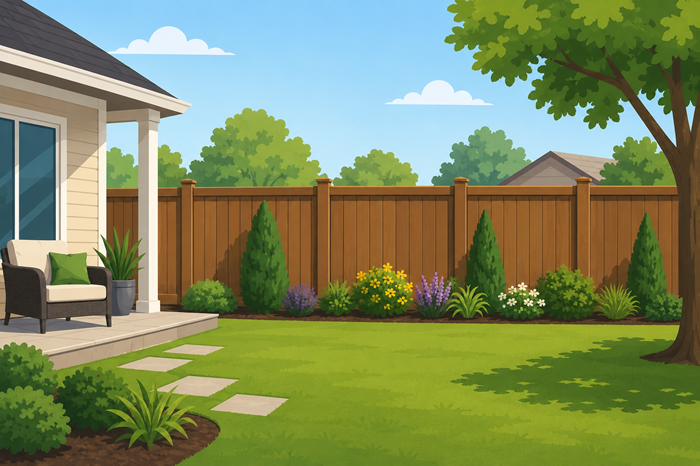
A secure and attractive backyard can add real value to your home, but upgrading outdoor spaces often comes with a significant price tag. For many homeowners, the biggest question is not whether to build a better boundary around their property — it’s how to pay for it without straining their finances.
If you’re planning a backyard upgrade this year, you may be wondering whether a personal loan is the smartest way to cover the cost. From improving safety to boosting curb appeal, installing a durable outdoor barrier can be a worthwhile investment when approached strategically.
In this guide, we’ll break down the pros and cons of financing options, what homeowners should expect during the planning process, and how to make a confident decision before moving forward with a new outdoor upgrade.
Why Homeowners Invest in Backyard Security
A safer outdoor space does more than protect your property. It creates privacy, improves comfort, and gives families peace of mind.
Many homeowners decide to upgrade their outdoor boundaries because of:
- Increased neighborhood traffic
- Pets or children needing a secure play area
- Better protection from unwanted visitors
- Added resale value
- Improved outdoor aesthetics
A properly designed fence can also define property lines more clearly while complementing landscaping and exterior architecture.
For homeowners exploring long-term property improvements, professional fence installation and replacement services often provide customized options that fit both functional and visual goals.
Understanding the Cost of a Backyard Upgrade
Before choosing financing, it’s important to understand what impacts project pricing.
Several factors influence the total expense, including:
Material Selection
Wood, aluminum, vinyl, and composite materials all come with different maintenance requirements and price points.
Property Size
Larger yards naturally require more materials and labor.
Terrain and Installation Complexity
Sloped yards, tree roots, and existing structures may increase labor costs.
Design Preferences
Decorative accents, gates, lighting, and custom layouts can raise the final budget.
The overall new fence cost can vary significantly depending on these details, which is why obtaining multiple estimates is always recommended.
Is a Personal Loan a Good Financing Option?
For many homeowners, using a personal loan can be an effective way to manage renovation expenses without draining savings accounts.
Unlike home equity loans, personal financing usually doesn’t require using your home as collateral. Approval processes are often faster, making it appealing for homeowners who want to begin improvements quickly.
However, whether this option makes sense depends on several financial factors.
Benefits of Using a Loan
Predictable Monthly Payments
Fixed repayment schedules make budgeting easier.
Faster Project Completion
Instead of delaying improvements for years while saving, homeowners can complete projects sooner.
No Need to Tap Into Home Equity
This can be helpful for newer homeowners who have limited equity available.
Potential Property Value Increase
Security and curb appeal upgrades may improve marketability when selling a home.
Potential Downsides to Consider
Financing any home project should be approached carefully.
Interest Costs
Borrowing money means paying more over time than the original project price.
Credit Score Requirements
Lower credit scores may result in higher interest rates.
Monthly Financial Commitment
Even manageable payments can create pressure if unexpected expenses arise later.
Before applying for financing, homeowners should calculate whether the project comfortably fits into their long-term budget.
Comparing Financing Alternatives
A loan is not the only way to pay for backyard improvements.
Here are some other common financing approaches homeowners consider.
Savings
Using cash avoids interest payments entirely, though it may reduce emergency reserves.
Credit Cards
Useful for smaller projects, but higher interest rates can become expensive quickly.
Home Equity Financing
This option may offer lower interest rates, but it uses the home as collateral.
Contractor Financing Programs
Some companies offer payment plans directly through financing partners.
If you’re researching companies in your area, finding a reliable fence contractor near me can help you compare both installation pricing and available payment options.
How to Decide if Financing Makes Sense
Not every home improvement should be financed. The right decision depends on your goals and financial stability.
Financing May Make Sense If:
- The project improves safety immediately
- You have stable income and manageable debt
- Monthly payments fit comfortably into your budget
- Waiting could lead to bigger repair costs later
You May Want to Wait If:
- You already carry significant high-interest debt
- Your emergency savings are limited
- You are uncertain about future income changes
Carefully evaluating your financial position before committing can prevent unnecessary stress later.
Choosing the Right Backyard Design
Security matters, but appearance matters too. Today’s homeowners want outdoor spaces that feel private without looking harsh or outdated.
Modern designs combine durability with curb appeal, offering cleaner lines and more stylish finishes than traditional options.
Homeowners searching for inspiration often explore modern privacy fence styles that complement contemporary landscaping while still improving security.
A thoughtfully designed privacy fence can create a quieter, more comfortable environment while helping define entertainment and relaxation spaces outdoors.
Planning for Long-Term Maintenance
Financing the installation itself is only part of the equation. Ongoing maintenance costs should also be considered before choosing materials.
Wood
Requires regular staining or sealing.
Vinyl
Typically lower maintenance but may cost more upfront.
Aluminum
Durable and resistant to rust with minimal upkeep.
Composite
Long-lasting with modern aesthetics, though generally more expensive.
Thinking beyond initial installation costs helps homeowners avoid future surprises.
Repair vs. Full Replacement
Sometimes a full replacement is unnecessary. Small structural issues can occasionally be repaired for much less money.
For example, learning how to fix a broken fence post may extend the life of an existing structure and delay larger renovation expenses.
However, if multiple sections are deteriorating, investing in a full upgrade may ultimately be more cost-effective.
Backyard Security Features Worth Considering
Modern outdoor upgrades often include additional safety enhancements beyond simple perimeter barriers.
Popular additions include:
- Motion-sensor lighting
- Locking gates
- Smart security cameras
- Reinforced entry points
- Noise-reduction materials
These upgrades can make outdoor spaces more functional while increasing peace of mind for homeowners and families.
How to Choose the Best Layout for Your Property
Every property has different needs, which is why design planning matters so much.
Homeowners should consider:
- Visibility from neighboring homes
- Sunlight exposure
- Wind conditions
- Landscaping layout
- Pool or pet safety requirements
Choosing the right fence for privacy and style helps ensure the final result complements both your home’s appearance and practical needs.
Common Mistakes Homeowners Should Avoid
Rushing into a project without proper planning can create unnecessary expenses later.
Choosing Based Only on Price
The cheapest option may require more repairs and maintenance over time.
Ignoring Local Regulations
Some neighborhoods and HOAs have strict guidelines regarding height and materials.
Skipping Professional Estimates
Comparing multiple quotes helps homeowners understand realistic pricing.
Overlooking Drainage and Terrain
Improper installation can create structural problems later.
Careful planning upfront almost always saves money in the long run.
Smart Budgeting Tips Before Installation
Homeowners preparing for a new fence installation should create a realistic project budget before signing contracts.
Helpful budgeting strategies include:
- Setting aside a contingency fund
- Comparing at least three contractor quotes
- Prioritizing must-have features first
- Avoiding over-customization unless necessary
For families designing a secure fence for backyard spaces, balancing functionality with affordability often leads to the best long-term results.
Backyard Design Trends That Add Value
Outdoor renovations continue to evolve as homeowners focus more on privacy and livability.
Some popular backyard fence ideas include:
- Horizontal wood slats
- Mixed-material designs
- Decorative metal accents
- Natural privacy landscaping
- Dark modern finishes
A professionally planned backyard fence can significantly improve both outdoor usability and curb appeal without overwhelming the rest of the property design.
Final Thoughts
Financing a backyard security upgrade can absolutely make sense when approached responsibly. A well-designed outdoor boundary improves safety, privacy, and property value while enhancing daily comfort for homeowners and families.
The key is balancing your project goals with realistic budgeting. Comparing financing options, understanding maintenance costs, and working with experienced professionals will help ensure the investment delivers long-term value.
Whether you finance the project through savings, contractor programs, or a loan, thoughtful planning is the best way to avoid unnecessary stress and create an outdoor space that truly works for your home.
FAQs
Is financing a backyard upgrade a good idea?
Yes, if the monthly payments comfortably fit your budget and the project improves safety or property value.
How long does installation usually take?
Most residential projects are completed within a few days depending on size and material.
What material lasts the longest?
Vinyl, aluminum, and composite materials typically require the least maintenance over time.
Can a new outdoor barrier increase home value?
Yes, attractive and functional upgrades often improve curb appeal and buyer interest.
Should I repair or replace an older structure?
If damage is widespread or recurring, replacement is usually more cost-effective long term.