

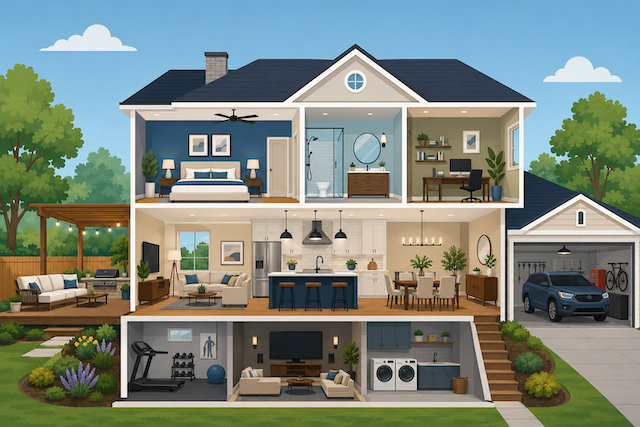
Home remodeling is one of the best ways to improve your property’s comfort, functionality, and long-term value. Whether you’re updating a single room or planning a whole-house transformation, taking a room-by-room approach helps you prioritize projects, manage your budget, and create a home that truly fits your lifestyle.
Instead of tackling everything at once, focusing on one space at a time allows you to make smarter design decisions while keeping your renovation organized. Every room serves a different purpose, and each deserves its own strategy.
This room-by-room home remodeling guide walks you through the areas that typically deliver the biggest improvements, highlights what to prioritize, and shares practical tips to help you get the most from your investment.
Why a Room-by-Room Remodeling Plan Makes Sense
Many homeowners begin remodeling with a long wishlist but no clear direction. A structured plan prevents costly mistakes while helping you allocate your budget where it matters most.
A room-by-room strategy offers several benefits:
-
Easier budgeting
-
Less disruption to everyday life
-
Better project scheduling
-
More consistent design throughout the home
-
Higher return on investment
If you’re still deciding where to begin, reviewing these signs you may need a home renovation can help determine which projects deserve your attention first.
Kitchen Remodeling: The Heart of Every Home
Focus on Function First
The kitchen is often the busiest room in the house. Before choosing finishes or appliances, think about how you use the space every day.
Ask yourself:
-
Is there enough counter space?
-
Are cabinets meeting your storage needs?
-
Does the layout support cooking and entertaining?
-
Is lighting sufficient?
Improving workflow often provides more value than simply replacing finishes.
Upgrade Cabinets Wisely
Cabinets typically account for a significant portion of any kitchen remodel.
If your cabinet boxes remain in good condition, modern cabinet refacing may deliver a fresh appearance without the cost of complete replacement.
Choose Materials That Last
Popular kitchen upgrades include:
-
Quartz countertops
-
Durable flooring
-
Soft-close drawers
-
Under-cabinet lighting
-
Energy-efficient appliances
These improvements combine everyday convenience with long-term durability.
Know When a Remodel Isn’t Enough
Sometimes homeowners start with a kitchen remodel only to discover the entire space needs structural changes.
Understanding the difference between a complete kitchen renovation and a cosmetic remodel helps set realistic expectations for both budget and timeline.
Bathroom Remodeling: Small Space, Big Impact
Bathrooms may be compact, but thoughtful upgrades can dramatically improve comfort and resale value.
Improve Everyday Comfort
Popular improvements include:
-
Walk-in showers
-
Double vanities
-
Better lighting
-
Water-saving fixtures
-
Heated flooring
These upgrades create a more relaxing and functional space without dramatically increasing square footage.
Maximize Storage
Storage often becomes an afterthought during bathroom remodeling.
Consider:
-
Recessed medicine cabinets
-
Floating vanities
-
Built-in shower niches
-
Linen cabinets
Keeping countertops clear instantly makes bathrooms feel larger.
Living Room Remodeling: Create a More Inviting Space
The living room often serves as the central gathering place for family and guests.
Improve Layout
Removing unnecessary walls, improving traffic flow, or rearranging furniture can dramatically transform the room without major construction.
Many homeowners also add:
-
Built-in shelving
-
Updated fireplaces
-
Larger windows
-
Modern lighting
These improvements help create a brighter, more welcoming environment.
Refresh Finishes
Simple updates can make a huge difference:
-
New flooring
-
Fresh paint
-
Decorative trim
-
Accent walls
-
Modern ceiling fixtures
These details tie the room together while keeping remodeling costs manageable.
Dining Room Remodeling
Dining rooms have become increasingly flexible.
Many homeowners now use these spaces as:
-
Home offices
-
Homework stations
-
Entertainment areas
-
Multi-purpose gathering rooms
When remodeling, consider furniture flexibility, improved lighting, and storage solutions that adapt to changing needs.
Bedroom Remodeling for Better Comfort
Bedrooms should promote relaxation and restful sleep.
Improve Storage
Closets often become one of the biggest pain points.
Upgrades may include:
-
Custom closet systems
-
Built-in wardrobes
-
Under-bed storage
-
Better shelving
Improved organization helps make smaller bedrooms feel more spacious.
Enhance Comfort
Consider upgrades such as:
-
Better insulation
-
Soundproofing
-
Ceiling fans
-
Larger windows
-
Layered lighting
These improvements create a more peaceful retreat.
Home Office Remodeling
Remote work has permanently changed how many homeowners use their homes.
A productive office should include:
-
Comfortable lighting
-
Plenty of outlets
-
Built-in storage
-
Reliable internet access
-
Ergonomic workspace
Even a spare bedroom can become an efficient office with thoughtful planning.
Laundry Room Improvements
Laundry rooms often receive little attention despite frequent daily use.
Simple remodeling ideas include:
-
Additional cabinets
-
Folding counters
-
Utility sinks
-
Better ventilation
-
Durable flooring
These upgrades improve convenience while helping keep household chores organized.
Basement Remodeling
An unfinished basement represents valuable untapped living space.
Popular remodeling ideas include:
-
Home theater
-
Guest suite
-
Fitness room
-
Game room
-
Children’s play area
Before finishing a basement, always address moisture issues, insulation, and proper ventilation.
Garage Remodeling
Modern garages do much more than store vehicles.
Many homeowners transform them into:
-
Workshops
-
Home gyms
-
Hobby spaces
-
Organized storage areas
Installing epoxy flooring, upgraded lighting, and custom storage systems can significantly improve functionality.
Outdoor Living Spaces Matter Too
Home remodeling shouldn’t stop at your front door.
Outdoor improvements increase both enjoyment and curb appeal.
Consider:
-
Patios
-
Outdoor kitchens
-
Decks
-
Pergolas
-
Landscaping
-
Walkways
If your property’s fencing needs attention before upgrading outdoor spaces, repairing damaged fence posts can improve both safety and appearance.
Keep Your Home Design Consistent
One common remodeling mistake is designing each room independently.
Instead, aim for consistency across:
-
Flooring
-
Color palette
-
Trim styles
-
Hardware
-
Lighting finishes
That doesn’t mean every room must look identical—it simply means they should feel connected.
If you’re debating current design trends versus long-lasting appeal, learning about long lasting kitchen styles can help guide design decisions that remain attractive for years.
Budgeting for a Room-by-Room Remodel
Every remodeling project should begin with a realistic budget.
Remember to account for:
-
Labor
-
Materials
-
Design fees
-
Unexpected repairs
-
Temporary living expenses if necessary
Many homeowners reserve an additional 10–20% contingency fund to cover surprises discovered during construction.
Should You Remodel Everything at Once?
Not necessarily.
A phased remodeling approach often makes financial and logistical sense.
Start with high-impact areas such as:
-
Kitchen
-
Bathrooms
-
Living spaces
-
Bedrooms
-
Outdoor improvements
Completing projects in stages allows you to spread costs while minimizing disruptions.
Tips for a Successful Home Remodeling Project
Define Your Goals
Know whether you’re remodeling to improve resale value, increase comfort, expand living space, or modernize outdated finishes.
Hire Experienced Professionals
Qualified contractors help avoid delays, costly mistakes, and building code issues.
Invest in Quality Materials
Higher-quality products often require less maintenance and last significantly longer.
Plan Ahead
Ordering materials early helps reduce project delays caused by supply shortages.
Stay Flexible
Unexpected discoveries behind walls or beneath flooring are common. Building flexibility into your timeline and budget makes these situations easier to manage.
Frequently Asked Questions
How should I prioritize home remodeling projects?
Focus first on rooms you use daily, such as the kitchen, bathrooms, and living areas. Address any structural or safety issues before cosmetic improvements.
Which room adds the most value during remodeling?
Kitchen and bathroom remodels typically provide the highest return on investment, especially when improvements focus on functionality and quality materials.
Is it better to remodel one room at a time?
Yes. Remodeling in phases makes budgeting easier, reduces disruption, and allows you to adjust future plans based on completed projects.
How much should I budget for unexpected costs?
Most professionals recommend setting aside 10–20% of your total remodeling budget for unforeseen expenses.
Should I follow current design trends?
Trends can provide inspiration, but choosing timeless materials and layouts often delivers better long-term satisfaction and resale value.
Final Thoughts
A successful home remodeling project isn’t about changing everything overnight—it’s about making thoughtful improvements that enhance the way you live. By approaching renovations room by room, you can prioritize what matters most, control costs, and create a home that feels cohesive from one space to the next.
Whether you’re refreshing a single room or planning a complete home transformation, careful planning and quality craftsmanship will help ensure every renovation adds lasting value. With the right strategy, each completed project becomes another step toward building a home that’s more comfortable, functional, and enjoyable for years to come.