

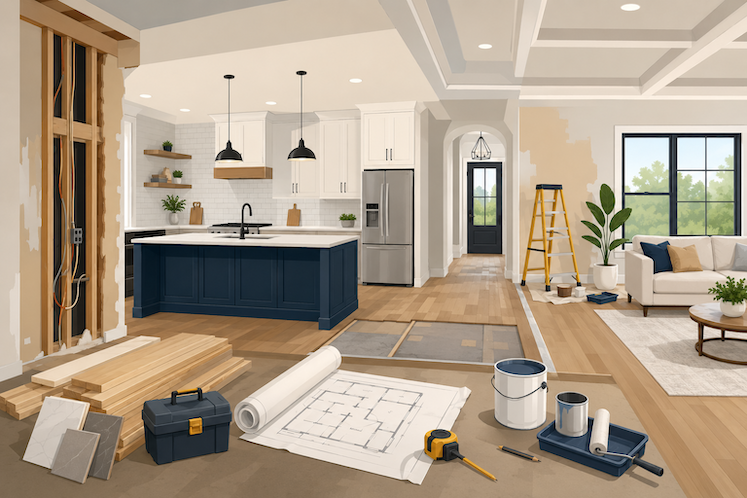
Taking on a whole-home remodeling project is a major decision for any homeowner. Whether you’re updating an older property, improving functionality for your family, or modernizing outdated spaces, a full renovation can completely transform the way your home looks and feels.
For homeowners in South Florida, remodeling projects also come with unique considerations. From humidity-resistant materials to structural updates and open-concept layouts, planning matters just as much as the final design itself.
Understanding what to expect before construction starts can help reduce stress, avoid delays, and keep your project moving smoothly from start to finish.
Why Homeowners Choose Whole-Home Remodeling
A full-home remodel is often about more than appearances. Many homeowners renovate because their current layout no longer fits their lifestyle.
Some want larger kitchens, better storage, modern bathrooms, or improved natural lighting. Others are focused on increasing property value before selling or upgrading an older home without relocating.
In South Florida, remodeling is also common for homes that need storm-resistant upgrades, energy-efficient improvements, or modernized interiors that better suit today’s living standards.
The Initial Planning Stage
Every successful remodeling project starts with careful planning.
Before demolition begins, homeowners should clearly define their goals, budget, and priorities. This stage is where major decisions are made regarding layout changes, materials, timelines, and overall design direction.
A remodeling contractor will usually inspect the property to identify structural concerns, electrical or plumbing issues, and possible permit requirements.
For homeowners considering major structural changes, understanding local requirements and rules is essential.
Setting Realistic Remodeling Goals
One of the biggest mistakes homeowners make is trying to renovate everything without prioritizing what matters most.
Start by identifying areas that create the biggest daily frustrations. This could include:
-
Limited kitchen storage
-
Outdated bathrooms
-
Poor lighting
-
Small living spaces
-
Old flooring
-
Inefficient layouts
Defining priorities early helps prevent unnecessary spending later.
Establishing a Remodeling Budget
Whole-home remodeling costs vary depending on:
-
Home size
-
Material choices
-
Structural modifications
-
Labor
-
Permit requirements
-
Custom finishes
It’s smart to leave room in the budget for unexpected discoveries once construction begins. Older homes may reveal hidden plumbing issues, outdated wiring, moisture damage, or structural concerns after walls are opened.
The Design and Material Selection Process
Once planning is complete, the design phase begins.
This is where homeowners choose layouts, finishes, fixtures, flooring, cabinetry, paint colors, lighting, and other visual details that shape the final outcome.
A good remodeling plan balances style with practicality.
Choosing a Functional Layout
Modern remodeling trends focus heavily on functionality and flow.
Many homeowners today prefer open living spaces that connect kitchens, dining areas, and living rooms into one seamless layout.
Others prioritize:
-
Home offices
-
Guest suites
-
Larger bathrooms
-
Expanded kitchens
-
Indoor-outdoor living spaces
Removing unnecessary walls can dramatically improve natural light and movement throughout the home.
Kitchen Remodeling Decisions
The kitchen is usually one of the most important parts of a whole-home remodel.
Cabinet design, countertop materials, lighting, storage solutions, and appliance placement all impact usability.
Many homeowners later regret rushing kitchen decisions, especially when functionality is overlooked for trends.
Bathroom Remodeling Upgrades
Bathroom renovations are another major component of full-home remodeling projects.
Many South Florida homeowners now prioritize:
-
Walk-in showers
-
Frameless glass enclosures
-
Floating vanities
-
Moisture-resistant materials
-
Spa-inspired designs
For resale value, homeowners often debate whether tubs or showers are the better investment. Comparing walk-in showers or bathtubs and what adds more value can help guide those remodeling decisions.
Ceiling and Lighting Improvements
Ceilings are becoming an increasingly important design feature during renovations.
Modern ceiling designs help create depth, improve lighting, and add visual character to living spaces. Tray ceilings, wood accents, recessed lighting, and minimalist finishes are especially popular in contemporary South Florida homes.
Permits and Inspections
Most whole-home remodeling projects require permits.
Permit requirements usually depend on the scope of work, especially if the project includes:
-
Structural changes
-
Electrical work
-
Plumbing updates
-
Window replacements
-
Roofing modifications
Working with licensed remodeling professionals helps ensure projects stay compliant with local building codes.
Inspections are typically scheduled throughout the project to verify that work meets safety standards before moving to the next phase.
Preparing for Demolition
Demolition is where homeowners finally start seeing major visible changes.
Depending on the scale of the remodel, demolition may involve:
-
Removing walls
-
Pulling out cabinetry
-
Removing flooring
-
Updating plumbing
-
Replacing electrical systems
This phase can feel messy and disruptive, especially for families living in the home during renovations.
Should You Stay in the Home During Remodeling?
For smaller projects, remaining in the home may still be manageable.
However, large-scale whole-home remodels often involve:
-
Dust
-
Noise
-
Temporary utility interruptions
-
Limited access to kitchens or bathrooms
Many homeowners choose temporary housing during major renovations to reduce stress and improve construction efficiency.
Structural, Electrical, and Plumbing Work
After demolition, contractors begin the core infrastructure work.
This stage often includes:
-
Framing adjustments
-
Electrical rewiring
-
Plumbing updates
-
HVAC improvements
-
Structural reinforcements
Although this work is less visually exciting, it is one of the most important phases of the project.
Skipping infrastructure upgrades in older homes can create long-term issues later.
Flooring, Drywall, and Interior Finishes
Once infrastructure work is completed and approved, the home starts taking shape again.
Drywall installation, flooring, painting, cabinetry, and trim work gradually transform the space into a finished home.
Flooring Considerations for South Florida Homes
South Florida homeowners often prioritize flooring materials that handle humidity well.
Popular choices include:
-
Porcelain tile
-
Luxury vinyl plank
-
Engineered hardwood
-
Waterproof flooring systems
Durability matters just as much as appearance, especially in high-traffic areas.
Paint, Texture, and Finish Selection
Paint colors and outside stucco finishes significantly influence how large or modern a home feels.
Neutral tones remain popular because they:
-
Reflect natural light
-
Create a clean aesthetic
-
Improve resale appeal
-
Match various design styles
Modern remodeling projects often focus on creating bright, airy interiors that feel open and welcoming.
Timeline Expectations for Whole-Home Remodeling
One of the most common homeowner questions is how long remodeling takes.
The answer depends on:
-
Home size
-
Scope of work
-
Permit approvals
-
Material availability
-
Structural complexity
-
Weather conditions
A whole-home remodel may take several months from planning to completion.
Unexpected delays can happen, especially when custom materials or permit revisions are involved. Good communication between homeowners and contractors helps reduce misunderstandings during these situations.
Common Remodeling Challenges
Even well-planned projects can encounter challenges.
Some of the most common issues include:
Hidden Structural Problems
Older homes sometimes reveal:
-
Water damage
-
Mold
-
Foundation concerns
-
Termite damage
-
Outdated wiring
These issues often appear only after demolition begins.
Material Delays
Custom cabinetry, specialty tile, and imported materials can extend timelines if shipping delays occur.
Ordering materials early can help reduce disruptions.
Budget Adjustments
Unexpected upgrades or hidden repairs may increase costs during construction.
Maintaining a contingency budget helps homeowners avoid financial stress when surprises appear.
How Remodeling Increases Home Value
A professionally planned remodel can significantly improve property value.
Updated kitchens, modern bathrooms, improved layouts, and energy-efficient upgrades are especially attractive to buyers in competitive South Florida markets.
Whole-home renovations can also improve:
-
Daily comfort
-
Storage
-
Lighting
-
Functionality
-
Long-term maintenance
For many homeowners, the biggest benefit is creating a space that better supports their lifestyle.
Choosing the Right Remodeling Contractor
Hiring the right remodeling contractor is one of the most important decisions in the process.
Look for professionals who offer:
-
Transparent communication
-
Clear timelines
-
Detailed estimates
-
Licensed and insured services
-
Proven remodeling experience
Reviewing previous projects and understanding how the contractor manages timelines and permits can help homeowners feel more confident before construction starts.
Final Walkthrough and Project Completion
As the project nears completion, contractors typically perform a final walkthrough with the homeowner.
This stage allows homeowners to:
-
Review completed work
-
Identify touch-up items
-
Test fixtures and systems
-
Confirm design details
Any remaining adjustments are usually completed before the project is officially finalized.
A good remodeling experience should leave homeowners with a space that feels both functional and visually cohesive.
Ready to Start Your Remodeling Project?
A whole-home remodel is a major investment, but with proper planning and the right team, it can completely transform your property and daily living experience.
Whether you’re modernizing an older home, improving functionality, or preparing your property for long-term value, working with experienced professionals makes the process far smoother.
FAQ About Whole-Home Remodeling
How long does a whole-home remodeling project usually take?
Most full-home remodeling projects take several months depending on the home’s size, permit approvals, structural work, and material availability.
Is it cheaper to remodel or rebuild a home?
It depends on the condition of the property. Remodeling is often more cost-effective when the home’s structure is still in good condition.
Can I live in my house during remodeling?
Some homeowners stay during smaller projects, but major renovations involving kitchens, bathrooms, or structural work may require temporary housing.
What part of a remodel adds the most value?
Kitchen remodels, bathroom upgrades, open layouts, and modernized living spaces often provide the strongest return on investment.
Do I need permits for home remodeling in South Florida?
Most remodeling projects involving electrical, plumbing, or structural changes require permits and inspections.
How do I prepare for a remodeling project?
Start by defining goals, setting a realistic budget, selecting materials early, and working with a licensed remodeling contractor.