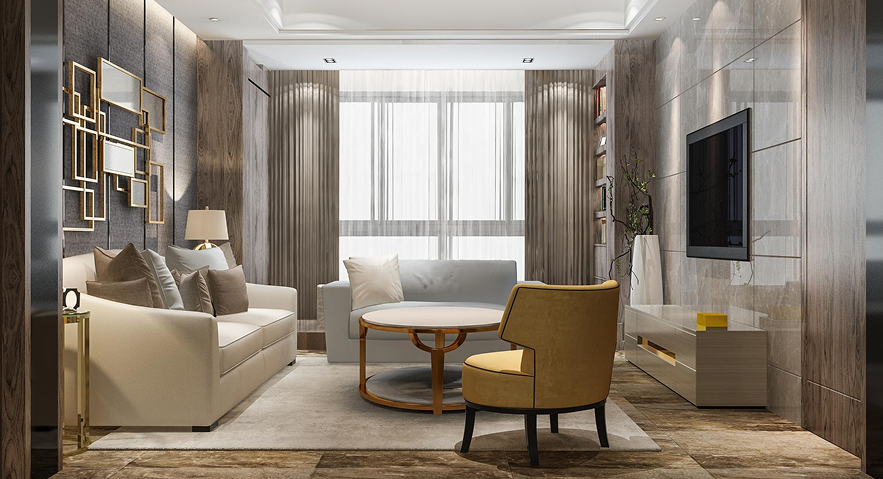

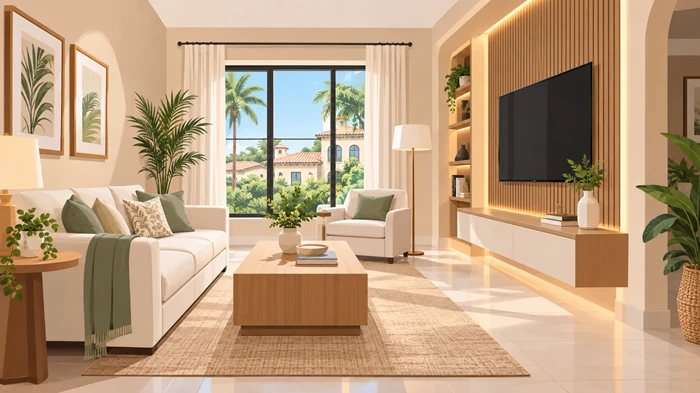
A thoughtfully planned small living hall can feel spacious, welcoming, and stylish without requiring extra square footage. In Coral Gables, where homes often combine Mediterranean influences, elegant architectural details, and modern comforts, the right interior choices can make a compact living area feel more open and functional.
The secret to successful small living hall design is balancing furniture, lighting, colour, storage, and architectural features. Rather than filling every corner, focus on elements that improve movement, maximize natural light, and give the room a clear visual identity. With a well-planned layout, even a modest living area can feel refined and comfortable.
Key Takeaways
-
Choose appropriately sized furniture to preserve walking space and improve comfort.
-
Use light colours, layered lighting, and reflective finishes to create an airy atmosphere.
-
Combine attractive design features with practical, space-saving storage.
-
Coordinate architectural details with the relaxed elegance of Coral Gables homes.
1. Start With a Layout That Makes the Room Feel Larger
A successful small living hall design begins with understanding the available floor space. Before purchasing furniture or selecting finishes, measure the room, identify doorways, and note the position of windows and electrical outlets.
Arrange the main seating around a clear focal point, such as a window, fireplace, or television wall. Keep primary walking routes open and avoid placing bulky pieces where they interrupt movement.
Create Clear Zones Without Adding Walls
Open layouts can make compact living rooms feel considerably larger. Define the seating area with a small rug, a compact sofa, or a pair of accent chairs rather than installing partitions that block light.
Furniture placement should also support everyday activities. Leave enough room to move comfortably between the entrance, seating, and adjoining spaces.
2. Choose Furniture That Fits the Room
Oversized furniture is one of the most common reasons a compact living area feels crowded. A deep sectional or a large entertainment unit may look attractive in a showroom but can overwhelm a smaller home interior.
For a more balanced small living hall design, choose a sofa with a slim profile, raised legs, and appropriately scaled arms. A compact loveseat or modular seating arrangement may offer sufficient comfort without consuming the entire room.
Make Every Piece Work Harder
Multifunctional furniture is especially useful in smaller homes. Consider nesting tables, storage ottomans, benches with hidden compartments, and wall-mounted shelves.
A narrow console can provide a place for decorative objects without obstructing circulation. Glass or acrylic tables can also preserve visual openness because they allow more of the surrounding floor and furnishings to remain visible.
The goal is not to eliminate furniture but to select pieces that serve a clear purpose while maintaining a comfortable balance.
For more practical guidance, explore these tips on how to arrange living room furniture to make the most of every available inch.
3. Use a Light and Cohesive Colour Palette
Colour influences how spacious a room appears. Soft white, warm beige, pale greige, and muted cream can help a compact interior feel brighter, especially when natural light enters through large windows.
A consistent palette also reduces visual interruptions. Rather than introducing several unrelated colours, choose one dominant neutral, a complementary secondary shade, and a restrained accent colour.
Add Warmth Without Overwhelming the Space
Coral Gables homes often benefit from colours inspired by their surroundings, including sandy neutrals, soft greens, terracotta accents, and warm wood tones. These shades can introduce character while maintaining a calm atmosphere.
For a cohesive living hall colour scheme, repeat a small selection of tones across upholstery, cushions, artwork, and decorative accessories. This creates continuity without making the room look monotonous.
Use darker shades selectively on a feature wall, a piece of furniture, or a few accessories. Keeping larger surfaces lighter generally helps a smaller room maintain an open appearance.
4. Make Lighting a Design Feature
Good lighting can transform the appearance and usability of a compact living area. Start by making the most of daylight through uncluttered windows, lightweight curtains, and strategically placed mirrors.
Next, introduce several sources of artificial light rather than depending on a single ceiling fixture. A combination of ambient, task, and accent lighting makes the space more adaptable throughout the day.
Layer Lighting for Comfort and Depth
Recessed ceiling lights can provide even illumination, while wall sconces and compact floor lamps create softer pools of light. Pendant fixtures can also work well when their size and hanging height suit the room.
Thoughtful living hall lighting should illuminate important areas without producing excessive glare. Warm or neutral-white lighting can create a comfortable evening atmosphere, while dimmers allow brightness to change with different activities.
Hidden LED strips beneath floating shelves or along selected architectural details can add depth without introducing bulky fixtures. For inspiration, see these hidden LED living room feature wall ideas.
5. Create a Focal Point With Smart Wall Design
A strong focal point gives a compact living room a sense of purpose. It draws attention to one carefully designed area instead of allowing numerous decorative elements to compete visually.
A feature wall behind the sofa or television can provide that focus. Consider subtle textured finishes, vertical wood slats, decorative plaster, or a carefully proportioned artwork arrangement.
Keep Decorative Details Proportionate
A floor-to-ceiling treatment can emphasize height, while vertical lines help direct the eye upward. Floating shelves and wall-mounted cabinets also preserve floor space and reduce the visual weight of storage furniture.
For a balanced living hall wall design, choose one main treatment and keep surrounding surfaces relatively simple. Excessive patterns, multiple accent walls, and crowded shelves can make the room feel smaller.
Explore these living hall focal point ideas for ways to introduce character without overwhelming a compact interior.
6. Use Mirrors and Natural Materials Strategically
Mirrors can make a small room appear brighter by reflecting daylight and selected views across the space. Position a large mirror opposite or adjacent to a window, depending on the room’s layout, to maximize the effect.
Avoid placing mirrors where they reflect clutter or create distracting visual repetition. A well-positioned mirror should contribute to the room’s sense of depth rather than simply add another decorative object.
Natural materials can further strengthen the design. Light oak, natural stone, linen, and textured fabrics introduce warmth and tactile interest without relying on excessive ornamentation.
Balance Texture With Simplicity
A woven rug, linen curtains, and a wood accent can provide enough variation to make a neutral room feel layered. Keep patterns restrained and repeat materials where practical to create a unified appearance.
These choices work particularly well in Coral Gables interiors, where classic architectural character can be paired with contemporary finishes.
7. Add Storage Without Sacrificing Style
Clutter can make a small living area feel cramped, even when the furniture arrangement is sensible. Well-integrated storage helps maintain a clean appearance while keeping everyday items accessible.
Consider built-in cabinets, floating shelves, storage benches, and media units with closed compartments. Use open shelving selectively for books and a few decorative pieces, while keeping less attractive items behind doors.
Make Use of Vertical Space
Walls provide valuable storage opportunities when floor space is limited. Tall, narrow shelving can accommodate books and accessories without occupying as much floor area as wide cabinets.
A custom storage solution can also fit awkward corners or recesses that standard furniture might leave unused. The result is a more organized room with fewer unnecessary objects competing for attention.
8. Choose a Style That Suits Coral Gables Homes
Coral Gables is known for architectural character that includes Mediterranean-inspired homes, graceful arches, textured finishes, and carefully detailed interiors. A compact living area can complement these features without becoming overly traditional.
A modern Mediterranean approach combines warm neutrals, natural materials, understated metal accents, and comfortable contemporary furniture. Alternatively, a cleaner modern style can use simple lines, concealed storage, and minimal decoration.
Combine Elegance With Everyday Comfort
The best living hall furniture design supports the way the household actually uses the room. Select durable upholstery, practical surfaces, and seating that accommodates everyday relaxation as well as entertaining.
For a more elevated aesthetic, consider the principles behind these luxury living hall design ideas. Adapt the finishes and decorative details to suit the size of the room rather than copying a larger interior exactly.
A successful small living hall design should feel intentional, not crowded with expensive features. A few well-chosen materials and carefully positioned statement pieces often deliver a stronger result than excessive decoration.
9. Plan Renovations Around Your Priorities
Some rooms need only new furniture, improved lighting, and a fresh coat of paint. Others may benefit from built-in storage, updated flooring, electrical improvements, or changes to the layout.
Before beginning work, identify the problems that matter most. Poor circulation, limited storage, inadequate lighting, and outdated finishes should guide the renovation plan rather than decorative trends alone.
When Professional Help Makes Sense
Working with a home remodel contractor can help coordinate design choices, material selection, and construction requirements. Professional planning is particularly useful when a project involves custom cabinetry, lighting changes, or modifications to existing walls.
Top Renovations is a home remodelling company serving South Florida, helping homeowners plan improvements that balance practical needs with the character of their homes.
A well-defined scope, realistic budget, and clear material specifications can help keep a renovation organized. Confirm the proposed work, schedule, and costs before construction begins.
10. Common Mistakes to Avoid in a Small Living Hall
Even attractive design choices can become counterproductive when they ignore the room’s proportions. Avoid these common mistakes:
-
Choosing oversized furniture: Large sofas and cabinets can restrict movement and dominate the room.
-
Using too many colours: Excessive contrast can break visual continuity and create a busy appearance.
-
Relying on one light source: A single overhead fixture may leave corners dark and make the space feel flat.
-
Overdecorating the walls: Too many frames, shelves, or contrasting finishes can create visual clutter.
-
Ignoring storage: Everyday belongings quickly occupy valuable surfaces when there is no designated place for them.
-
Blocking natural light: Heavy window treatments and poorly placed furniture can make a compact room feel enclosed.
A better approach is to prioritize openness, comfortable circulation, and a consistent design direction. Each addition should improve the room’s function or contribute meaningfully to its appearance.
Frequently Asked Questions
1. How can I make a small living hall look bigger?
Use light colours, appropriately scaled furniture, mirrors, layered lighting, and clear walking paths to create a more open appearance.
2. Which colours work best in a small living hall?
Warm white, cream, beige, pale greige, and soft natural greens work well when balanced with suitable lighting and subtle accents.
3. What furniture is best for a compact living room?
Choose compact sofas, nesting tables, storage ottomans, floating shelves, and furniture with slim profiles or multiple functions.
4. Is a feature wall suitable for a small living hall?
Yes, a restrained feature wall using texture, vertical detailing, or subtle lighting can create a focal point without overwhelming the room.
5. Should I hire a contractor to renovate a small living hall?
A contractor can be helpful for projects involving custom cabinetry, electrical changes, new finishes, or layout modifications.
Conclusion
A compact living area can deliver the same comfort and visual appeal as a much larger room when its layout and finishes are planned carefully. The most effective small living hall design combines appropriately scaled furniture, a cohesive colour palette, useful storage, and lighting that supports both function and atmosphere.
For Coral Gables homeowners, the strongest results often come from balancing contemporary practicality with the area’s distinctive architectural character. Start with the room’s biggest limitations, make deliberate design decisions, and invest in improvements that will remain useful over time.