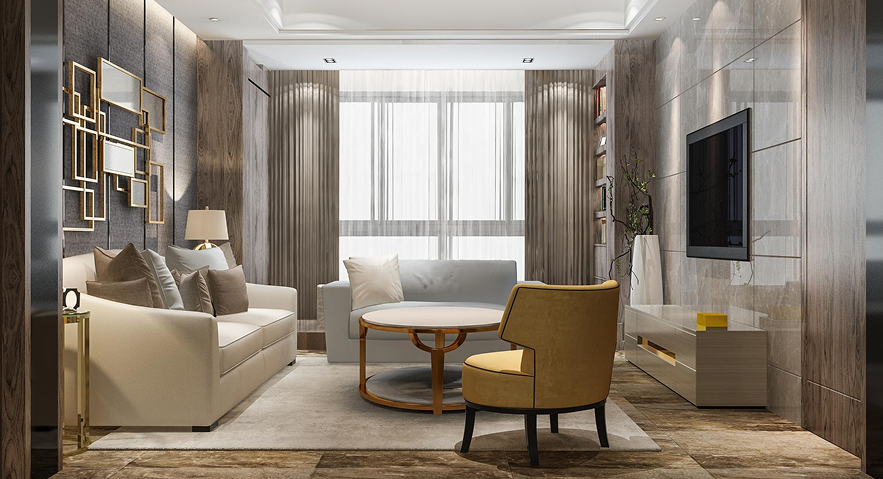

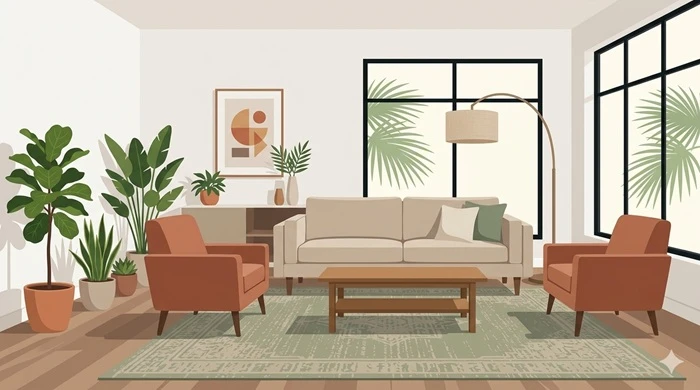
Arranging living room furniture is about more than choosing attractive pieces. The right layout makes a room feel spacious, improves movement, creates comfortable seating, and brings the entire interior together. Whether you live in a compact apartment or a spacious South Florida home, a thoughtful arrangement can transform your living area without requiring a complete makeover.
Learning how to arrange living room furniture starts with understanding the room’s dimensions, identifying a natural focal point, and selecting a layout that suits your daily routine. With the right approach, you can create a balanced, functional, and welcoming space that reflects your personal style.
Key Takeaways
-
Measure the room and plan furniture placement before moving heavy pieces.
-
Create a clear focal point and maintain comfortable walking paths.
-
Choose seating arrangements that encourage conversation and improve functionality.
-
Balance furniture scale, lighting, and accessories for a cohesive interior.
1. Measure Your Living Room Before Arranging Furniture
Before moving a sofa or purchasing a new coffee table, measure the room carefully. Accurate measurements help you understand how much space is available and prevent overcrowding.
Record the room’s length and width, along with the locations of windows, doors, electrical outlets, and built-in features. Pay attention to door swings and pathways leading to adjoining rooms.
Plan Around Room Dimensions
Large rooms can accommodate multiple seating areas, while smaller spaces benefit from carefully selected furniture and an open layout. Leave enough space for people to move comfortably between the sofa, entrance, and other areas.
A simple floor plan can help you test different arrangements before making changes. Mark the dimensions of each furniture piece to determine whether everything will fit without restricting movement.
For a more extensive interior update, working with an experienced interior renovation contractor can help coordinate furniture placement with flooring, built-ins, wall finishes, and other design elements.
2. Choose a Focal Point for Your Living Room
Every well-designed living area benefits from a clear focal point. This feature gives the room visual direction and helps determine where the main seating should go.
Common focal points include fireplaces, large windows, entertainment units, statement artwork, and distinctive architectural features.
Position Seating Around the Main Feature
Place the sofa and primary chairs so they naturally face or complement the focal point. For a television-centered room, consider viewing comfort and screen visibility. In a conversation-focused space, angle the seating toward one another instead of directing every piece toward a screen.
Avoid placing too many competing statement pieces in the same area. A single strong feature, supported by complementary furnishings, generally creates a more balanced appearance.
Homeowners looking for inspiration can explore these living hall focal point ideas to discover ways to make an interior more visually engaging.
3. Select a Living Room Layout That Supports Daily Life
The best arrangement depends on how the room is used. A family gathering space may need generous seating and open pathways, while a formal sitting area might prioritize symmetry and conversation.
Arrange Furniture for Conversation
Position the sofa and chairs close enough for comfortable conversation without making the room feel cramped. A coffee table can anchor the arrangement, while side tables provide convenient places for drinks, books, and lamps.
An L-shaped arrangement works well in many family rooms. Two sofas facing one another can create a more formal setting, while a sofa paired with accent chairs offers flexibility in smaller spaces.
Keep Movement Paths Open
Plan clear routes between entrances, windows, seating, and adjoining rooms. Avoid placing large furniture pieces where they obstruct doorways or force people to walk through the middle of a conversation area.
A practical living room furniture layout should support natural movement while keeping essential items within easy reach.
As a general guideline, leave approximately 30–36 inches for primary walkways where space allows. Keep around 16–18 inches between a sofa and coffee table, adjusting the distance to suit the furniture and the people using it.
4. Choose Furniture That Fits the Room
Furniture should complement the dimensions of the room rather than compete with them. Oversized pieces can make a small space feel crowded, while undersized furnishings may look disconnected in a large room.
Balance Size, Shape, and Comfort
Measure the sofa, chairs, tables, and storage units before purchasing them. Consider the height of the furniture, the depth of the seating, and the amount of visible floor space around each piece.
For smaller homes, streamlined sofas, compact accent chairs, and multifunctional tables can provide comfort without taking up unnecessary space. Larger rooms can accommodate sectional sofas, substantial coffee tables, and additional seating zones.
When comparing living room furniture sets, look beyond matching finishes. Pieces should share a compatible style while providing the variety needed to keep the room interesting.
Coordinate Style and Function
Modern living room furniture often combines clean lines, practical materials, and understated finishes. However, traditional, transitional, and contemporary styles can all work beautifully when the proportions and colors complement one another.
Prioritize comfortable upholstery, durable surfaces, and storage that suits your household’s needs. The goal is to create an attractive room that remains practical throughout the day.
5. Arrange Furniture to Make Small Living Rooms Feel Larger
Limited square footage does not have to limit your design options. Careful placement, visual simplicity, and flexible furnishings can make a compact living room feel more open.
Use Space-Saving Furniture
Choose furniture with exposed legs, slim profiles, or built-in storage to reduce visual bulk. Nesting tables, storage ottomans, and compact sofas can serve multiple purposes without filling the room with unnecessary pieces.
Avoid pushing every item tightly against the walls. Pulling a sofa slightly away from the wall can create a more intentional arrangement, provided enough space remains for movement.
Use Mirrors and Light Colors
Mirrors can reflect natural light and create a greater sense of depth. Light-colored walls, coordinated upholstery, and a restrained palette also help a small room feel brighter.
Keep window areas relatively clear to maximize daylight. Layering sheer curtains with practical window treatments can soften the room while maintaining privacy.
For more ideas suited to South Florida interiors, explore these luxury living hall design ideas for inspiration on combining comfort, style, and thoughtful proportions.
6. Use Rugs, Lighting, and Accessories to Complete the Layout
Once the major furniture pieces are in place, accessories help define the room and create a cohesive design.
Anchor Seating With an Area Rug
An area rug visually connects the sofa, chairs, and coffee table. Choose a size that allows at least the front legs of the main seating pieces to rest on the rug whenever possible.
A rug that is too small can make the arrangement appear disconnected. Select a material that suits the room’s traffic level and maintenance requirements.
Layer Lighting for Comfort
Combine ambient lighting with task and accent lighting. Ceiling fixtures provide general illumination, floor lamps brighten seating corners, and table lamps create a softer atmosphere for reading or relaxing.
Thoughtful lighting can also highlight artwork, architectural details, and decorative objects. Homeowners working with narrow corridors or dim adjoining spaces can find useful smart lighting ideas for dark hallways and living spaces.
Keep Accessories Balanced
Decorative cushions, throws, artwork, plants, and coffee-table accessories add personality. However, too many small objects can make the room feel cluttered.
Group accessories thoughtfully and vary their heights, textures, and shapes. Leave some surfaces open to preserve a sense of space.
7. Consider South Florida’s Climate and Lifestyle
Living rooms in South Florida often benefit from layouts that emphasize natural light, indoor-outdoor connections, and comfortable everyday living. Large windows, sliding glass doors, and patios can influence where furniture should be positioned.
Avoid blocking access to outdoor areas or placing delicate furnishings where direct sunlight may cause fading. Performance fabrics, easy-to-clean surfaces, and durable finishes are practical choices for busy households.
Humidity, moisture, and ventilation can also affect interior materials. Before making substantial changes, review the common South Florida home renovation challenges that homeowners may encounter when updating their properties.
8. Common Mistakes to Avoid When Arranging Living Room Furniture
Even attractive furniture can look awkward when the arrangement does not suit the room. Avoiding a few common mistakes can make a noticeable difference.
-
Blocking walkways: Keep entrances, doorways, and routes between seating areas accessible.
-
Choosing oversized pieces: Check measurements before purchasing large sofas, cabinets, or tables.
-
Ignoring lighting: Consider daylight and artificial lighting when deciding where furniture belongs.
-
Overcrowding the room: Remove unnecessary pieces instead of filling every available corner.
-
Placing the television incorrectly: Account for viewing angles, glare, and comfortable seating distances.
-
Forgetting everyday needs: Include practical storage, accessible charging points, and convenient surfaces.
A successful arrangement does not require filling every corner. Leaving some areas open creates visual breathing room and makes the space easier to maintain.
9. When to Consider Professional Interior Remodeling
Sometimes, rearranging furniture is not enough to solve a room’s limitations. Poor lighting, awkward openings, insufficient storage, and outdated finishes can affect the overall experience.
Professional remodeling may help address these issues through improved lighting plans, built-in cabinetry, updated flooring, revised room layouts, or coordinated finish selections.
Top Renovations is a leading home remodeling company serving South Florida, helping homeowners improve their interiors through thoughtful renovation solutions. Its remodeling services can support broader projects that bring furniture arrangements, finishes, lighting, and architectural details together into a cohesive living environment.
A qualified home renovation contractor can assess the existing space and recommend improvements based on your goals, budget, and property’s structural requirements.
Homeowners searching for living room furniture near me should also consider how their selections will work with the room’s existing architecture. Choosing furnishings after reviewing dimensions, finishes, and lighting conditions can lead to a more cohesive result.
Final Thoughts
Knowing how to arrange living room furniture can help you create a space that feels comfortable, balanced, and suited to your lifestyle. Start with accurate measurements, establish a focal point, choose appropriately sized furnishings, and leave enough room for natural movement.
Small changes to seating positions, lighting, rugs, and accessories can improve the entire room without requiring a major investment. For more substantial improvements, professional remodeling can help bring the room’s layout and finishes together.
The best living room is not necessarily the one with the most furniture or the trendiest accessories. It is the one that feels inviting, functions well, and supports the way you live every day.
Frequently Asked Questions
1. What is the best way to arrange living room furniture?
Start by identifying the focal point, measuring the room, positioning the main seating, and maintaining clear walking paths.
2. How much space should be between a sofa and coffee table?
Approximately 16–18 inches is a useful starting point, although the ideal distance depends on the furniture and available space.
3. Should living room furniture be placed against the walls?
Not necessarily; pulling furniture away from the walls can create a more balanced arrangement when the room has enough space.
4. How can I make a small living room look bigger?
Use appropriately sized furniture, light colors, mirrors, layered lighting, and uncluttered pathways to create a more open appearance.
5. When should I hire a professional to improve my living room?
Consider professional help when layout limitations, outdated finishes, poor lighting, or structural changes require more than furniture rearrangement.