

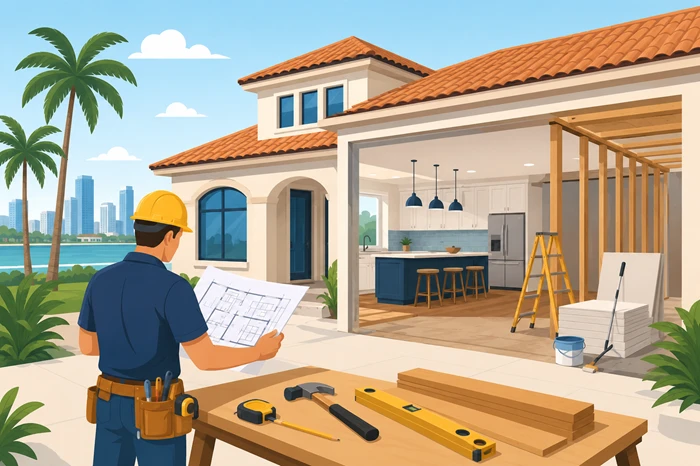
Planning a home renovation in Miami can be exciting, but finding the right contractor is one of the most important decisions you will make. From kitchen upgrades and bathroom remodeling to complete home transformations, the right professional can keep your project organized, compliant, and aligned with your budget.
Choosing experienced licensed general contractors for home renovation Miami homeowners can trust requires more than comparing prices. You need to evaluate experience, licensing, communication, project planning, workmanship, and the contractor’s ability to handle Miami’s specific renovation requirements.
Key Takeaways
-
Verify licensing, insurance, experience, and relevant renovation credentials.
-
Compare detailed estimates instead of choosing based on price alone.
-
Check references, reviews, previous projects, and communication practices.
-
Use a written contract with clear costs, timelines, materials, and responsibilities.
Why the Right Contractor Matters for a Miami Renovation
A renovation involves many moving parts, including design decisions, material selections, permits, scheduling, subcontractors, inspections, and final finishing work. A qualified contractor coordinates these details so they work together instead of becoming separate problems.
Miami homes can also present location-specific challenges. Older properties may require updates to electrical, plumbing, roofing, or structural components, while larger remodeling projects may involve permitting and code requirements.
Working with reputable best home renovation contractors can make the process easier from planning through completion. The goal is not simply to find someone who can perform construction work, but a professional who can manage the entire renovation responsibly.
What to Look for in a Miami Contractor
Not every contractor offers the same level of service. Before signing an agreement, take time to evaluate several important factors.
Licensing and Insurance
Start by confirming that the contractor has the appropriate license for the work involved. Ask for proof rather than relying solely on a website, advertisement, or verbal claim.
Insurance is equally important. Ask whether the contractor carries appropriate liability coverage and workers’ compensation insurance. These protections can reduce your exposure to unexpected problems during construction.
Relevant Renovation Experience
Experience should match the type of project you are planning. Someone experienced in small repairs may not be the right choice for a whole-home remodel or structural renovation.
Ask potential contractors about similar projects they have completed. Request photographs, project details, and references when available.
Communication and Project Management
Good communication can make a major difference during a renovation. Your contractor should explain what is happening, what decisions are needed from you, and whether anything affects the schedule or budget.
Pay attention to how quickly and clearly a contractor responds before you hire them. Poor communication during the initial consultation can become a bigger issue once construction begins.
Questions to Ask Before Hiring
A short interview can reveal a lot about a contractor’s professionalism. Consider asking:
-
How long have you worked on residential renovations?
-
Have you completed projects similar to mine?
-
Who will supervise the work?
-
Which subcontractors will be involved?
-
Who handles permits and inspections?
-
What payment schedule do you require?
-
How are changes handled after work begins?
-
Can you provide recent references?
-
What is your expected project timeline?
If you are specifically searching online for licensed general contractors near me, do not make your decision solely from search rankings. Local availability is useful, but qualifications and project experience should carry more weight.
Compare Estimates Carefully
Getting multiple estimates is a practical way to understand the potential cost of your renovation. However, the lowest estimate is not automatically the best deal.
A professional estimate should explain major costs such as labor, materials, demolition, permits, disposal, and other project-related expenses. If one estimate is dramatically lower than the others, ask why.
An unusually low price may indicate missing work, lower-grade materials, unrealistic assumptions, or costs that could appear later as change orders.
For a broader understanding of renovation expenses, review this Miami home renovation cost per square foot resource before comparing proposals.
Understand Your Renovation Contract
Never rely on a verbal agreement for a major renovation. A written contract protects both you and the contractor by establishing expectations before work starts.
Important Contract Details
Your contract should clearly identify:
-
Project scope and included work
-
Materials and product specifications
-
Estimated start and completion dates
-
Payment schedule
-
Permit responsibilities
-
Change-order procedures
-
Warranty information
-
Cleanup and disposal responsibilities
Make sure you understand what is included and what is excluded. If something important is only discussed verbally, ask for it to be added to the written agreement.
How to Avoid Common Renovation Problems
Even experienced home renovation contractors can encounter unexpected issues. Existing walls may reveal plumbing problems, electrical deficiencies, moisture damage, or structural concerns once demolition begins.
The best way to manage surprises is to plan for them financially and establish a clear process for approving additional work.
Avoid making frequent design changes after construction starts whenever possible. Changes can affect material orders, labor, scheduling, and the overall project cost.
If you are still researching how to select the right professional, this guide on finding a reliable home renovation contractor can help you evaluate potential candidates.
Plan Your Budget Before Construction
A realistic renovation budget should include more than the contractor’s initial quote. Consider design fees, permits, materials, appliances, fixtures, temporary living arrangements, and potential unexpected repairs.
It is also wise to keep a contingency amount available for unforeseen conditions. The exact amount depends on the property’s age, project complexity, and renovation scope.
For homeowners trying to control expenses, these budget-friendly home renovation tips can help you make smarter decisions before and during construction.
Consider the Scope of the Project
Your contractor selection should reflect the size and complexity of your renovation.
A cosmetic update may involve painting, flooring, cabinets, lighting, and fixtures. A larger renovation could involve structural changes, room additions, plumbing relocation, electrical upgrades, roofing, or multiple subcontractors.
If you are considering expanding your living space, reviewing a home addition cost and planning guide can help you understand the planning considerations before discussing the project with a contractor.
Where to Find Qualified Contractors
Homeowners often search for home renovation contractors near me because working with a local professional can make consultations, site visits, and project communication more convenient.
You can build a shortlist through recommendations, local searches, renovation directories, professional referrals, and previous projects you see in your area.
For homeowners specifically researching home renovation contractors miami, it is important to compare contractors based on their actual Miami project experience rather than simply choosing the company with the most visible online presence.
Look for consistent reviews, detailed project examples, clear estimates, and professional communication. Then narrow your list to contractors who appear capable of handling your specific renovation.
Red Flags to Watch For
Some warning signs deserve immediate attention.
Be cautious if a contractor refuses to provide licensing or insurance information, pressures you to make a quick decision, requests an unusually large upfront payment, provides an extremely vague estimate, or avoids putting important terms in writing.
You should also be careful with contractors who cannot provide references or examples of comparable work.
A professional contractor should be willing to discuss your questions and explain the project without making you feel pressured.
Making the Final Decision
After comparing your options, consider the complete value each contractor offers. Price matters, but it should not be the only deciding factor.
Look at experience, communication, project management, references, contract terms, estimated timeline, materials, and overall professionalism.
The best choice is usually the contractor who provides a realistic plan and demonstrates that they understand your goals, property, budget, and expectations.
Final Thoughts
Choosing the right contractor can have a major impact on the success of your Miami home renovation. Take time to verify credentials, compare detailed proposals, inspect previous work, and understand the contract before construction begins.
Whether you are updating one room or transforming an entire property, careful planning and the right professional can help you avoid unnecessary delays, budget surprises, and frustrating construction problems.
A successful renovation starts long before demolition begins. The more carefully you choose your contractor and define your project, the better prepared you will be for the work ahead.
Frequently Asked Questions
1. How do I choose a renovation contractor in Miami?
Compare licensing, insurance, experience, references, estimates, contracts, and communication before hiring.
2. Should I get multiple renovation estimates?
Yes, comparing several detailed estimates helps you understand pricing and identify unrealistic quotes.
3. What should a renovation contract include?
It should cover the project scope, costs, payment schedule, materials, timeline, change orders, permits, and warranty terms.
4. How much should I budget for unexpected renovation costs?
Set aside a contingency amount based on your property’s condition and the complexity of the renovation.
5. Is the cheapest contractor the best option?
Not necessarily; evaluate the contractor’s qualifications, experience, workmanship, communication, and complete project cost.