

When choosing paint for your home, appearance is only part of the equation. Many Fort Lauderdale homeowners are now looking for healthier living spaces and better indoor air quality. As awareness grows around airborne contaminants inside homes, innovative paint technologies are becoming an increasingly popular solution.
Certain modern wall coatings are designed to help reduce harmful substances in the air while still providing beautiful finishes and long-lasting durability. If you’re planning a renovation or simply refreshing your walls, understanding how these paints work can help you make a smarter investment.
In this guide, we’ll explore pollutant-absorbing paint, how it works, its benefits, and whether it’s a good fit for South Florida homes.
Why Indoor Air Quality Matters in Fort Lauderdale Homes
Fort Lauderdale’s warm climate and high humidity levels often mean homes remain sealed and air-conditioned for much of the year. While this improves comfort, it can also trap contaminants indoors.
Many homeowners focus on outdoor pollution but overlook what may be circulating inside their own homes. Everyday activities, building materials, furniture, cleaning products, and paints can all contribute to air quality concerns.
This is one reason why healthier building materials have become a major focus during renovation projects. Along with proper ventilation and moisture control, selecting the right wall finishes can play an important role in creating a cleaner indoor environment.
What Are Indoor Air Pollutants?
Indoor air pollutants are airborne substances that can affect the quality of the air inside a home. These contaminants may originate from household products, construction materials, furnishings, and daily activities.
Common examples include volatile organic compounds (VOCs), dust particles, mold spores, pet dander, smoke residue, and chemical emissions from various household items.
Because people spend a significant amount of time indoors, reducing exposure to these substances can contribute to a healthier living environment.
Types of Indoor Air Pollutants
Several categories of contaminants are commonly found inside residential properties:
Volatile Organic Compounds (VOCs)
These chemicals are released from products such as paints, adhesives, furniture finishes, and cleaning supplies.
Biological Pollutants
Mold, mildew, bacteria, dust mites, and pet allergens fall into this category.
Particulate Matter
Tiny airborne particles from cooking, smoke, dust, and outdoor sources can enter and accumulate indoors.
Chemical Pollutants
Household products, synthetic materials, and combustion appliances may release additional chemical compounds into the air.
Understanding these sources helps homeowners take proactive steps toward improving indoor air quality.
What Is Pollutant-Absorbing Paint?
Pollutant-absorbing paint is a specialized coating formulated to capture, neutralize, or break down certain airborne contaminants.
Unlike traditional decorative coatings, these products use advanced technologies that actively interact with compounds in the air. Some formulas target formaldehyde and VOCs, while others utilize photocatalytic materials that help decompose pollutants when exposed to light.
These paints don’t replace air filtration systems or ventilation, but they can serve as an additional layer of protection within a healthy home strategy.
How Does Air-Purifying Paint Work?
Different manufacturers use different technologies, but most air-purifying paints operate through one of the following methods:
Pollutant Absorption
Some paints are engineered to capture airborne chemicals and convert them into harmless compounds.
Photocatalytic Technology
These coatings contain mineral compounds that react with light exposure and help break down pollutants on the painted surface.
Low-Emission Formulations
Many products reduce the introduction of new contaminants by minimizing VOC content during application and curing.
The result is a cleaner wall surface that contributes less to overall indoor contamination levels.
Benefits of Pollutant-Absorbing Paint for South Florida Homes
Improved Indoor Air Quality
One of the biggest advantages is the potential reduction of airborne contaminants within frequently occupied spaces.
Reduced Chemical Exposure
Many premium products are formulated with ultra-low VOC levels, helping minimize chemical emissions.
Long-Term Performance
Quality coatings continue working after application and can provide ongoing benefits for years.
Better Living Spaces
Families with children, older adults, or allergy-sensitive individuals often appreciate the added focus on healthier indoor environments.
Supports Modern Renovation Goals
Health-conscious renovations have become increasingly popular among homeowners seeking both comfort and long-term property value.
If you’re working with experienced interior remodeling contractors, discussing healthy material selections during the planning stage can help maximize overall results.
Are Pollutant-Absorbing Paints Effective?
Research and manufacturer testing suggest that many specialized coatings can successfully reduce certain airborne compounds, particularly formaldehyde and select VOCs.
However, it’s important to maintain realistic expectations.
No paint can completely eliminate all contaminants from a home. Instead, these products should be viewed as one component of a broader indoor air quality strategy that includes:
- Proper ventilation
- Air filtration systems
- Humidity control
- Mold prevention
- Regular cleaning practices
- Healthy material selections
When combined with these measures, pollutant-reducing paints can provide meaningful benefits.
Choosing the Best Paint for Fort Lauderdale Conditions
South Florida’s climate presents unique challenges for interior surfaces.
Humidity, temperature fluctuations, and moisture management all influence paint performance. When selecting products, consider:
Moisture Resistance
Choose paints designed to withstand humid environments.
Mold and Mildew Protection
Many premium coatings include antimicrobial features that help resist microbial growth.
Low VOC Certification
Look for independently verified low-emission products.
Washability and Durability
High-traffic areas benefit from coatings that are easy to clean and maintain.
Homeowners searching for the best indoor paint often prioritize a balance between air quality benefits, durability, and appearance.
Popular Paint Technologies That Improve Indoor Air Quality
Several categories of advanced coatings are available today.
Formaldehyde-Reducing Paints
These formulas target formaldehyde emissions commonly released from furniture, cabinetry, flooring, and building materials.
Photocatalytic Paints
Designed to break down pollutants through chemical reactions triggered by light.
Mineral-Based Paints
Some natural mineral formulations offer breathability and reduced emissions compared to conventional coatings.
Zero-VOC Paints
These products help minimize the introduction of new pollutants during and after application.
Each option offers unique benefits depending on your home’s needs and renovation goals.
Paint Color Choices and Wellness Trends
Paint technology isn’t the only consideration. Color selection also influences how a space feels.
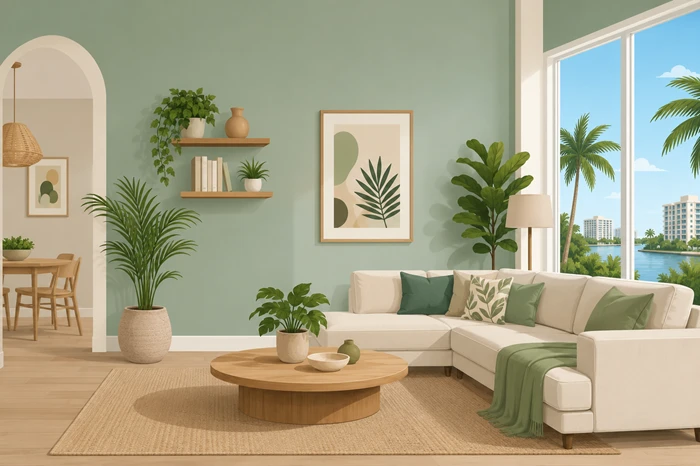
Many Fort Lauderdale homeowners are choosing nature-inspired palettes that create calm, welcoming environments. Soft greens, muted blues, warm neutrals, and earthy tones continue gaining popularity.
One color gaining attention among designers is artichoke green paint, which combines natural warmth with sophisticated character. It works particularly well in living rooms, offices, and transitional spaces.
Meanwhile, homeowners exploring current design preferences may find inspiration from the latest trends in ceiling design, which often complement modern paint selections.
When Should You Upgrade Your Interior Paint?
Certain situations make repainting especially beneficial:
- After purchasing an older home
- During major remodeling projects
- Following water damage remediation
- Before listing a property for sale
- When updating outdated finishes
- If existing walls contain aging paint products
For larger renovations, understanding the scope of a typical whole-home remodeling project can help homeowners coordinate painting with other upgrades more efficiently.
Other Renovation Decisions That Affect Indoor Air Quality
Wall coatings are only one part of the equation.
Exterior materials, insulation systems, flooring choices, cabinetry, and ventilation strategies all influence indoor environmental quality.
For example, homeowners evaluating exterior upgrades may benefit from reviewing options and performance differences when comparing stucco, paint, and cladding.
Taking a whole-house approach often produces the best long-term results.
Understanding Renovation Costs Before Painting Projects
Many homeowners begin with paint upgrades before moving into larger renovation plans.
Budget considerations vary depending on paint quality, surface preparation requirements, labor costs, and project size.
If you’re evaluating broader renovation investments, reviewing current information about average home renovation costs can help establish realistic expectations.
This information is especially useful for homeowners researching home renovation near me services and planning future improvements.
Are Indoor Paints Worth the Investment?
For many Fort Lauderdale homeowners, the answer is yes.
Modern indoor paints offer more than color and decoration. Advanced formulations can contribute to healthier indoor environments while delivering durability, aesthetic appeal, and long-term value.
Although they should not replace proper ventilation or air purification systems, pollutant-reducing coatings can become a valuable part of an overall healthy home strategy.
When paired with thoughtful renovation decisions and quality workmanship, these innovative paints help create spaces that look beautiful and support everyday comfort.
Conclusion
Pollutant-absorbing wall paint represents an exciting advancement in residential design and home wellness. For Fort Lauderdale homeowners seeking cleaner indoor environments, these products offer a practical way to reduce exposure to certain contaminants while maintaining stylish interiors.
Whether you’re planning a simple refresh or a comprehensive renovation, choosing healthier paint solutions can provide benefits that extend far beyond appearance. By combining low-emission products, moisture-resistant finishes, and good ventilation practices, you can create a home that feels fresher, healthier, and more enjoyable for years to come.
Frequently Asked Questions
1. Can wall paint really absorb pollutants?
Yes, certain specialized paints are designed to capture or neutralize specific airborne contaminants.
2. Do pollutant-absorbing paints remove all indoor pollutants?
No, they help reduce selected contaminants but should be combined with ventilation and air filtration.
3. Are low-VOC paints better for indoor air quality?
Yes, low-VOC paints release fewer chemical emissions than conventional products.
4. How long do air-purifying paints remain effective?
Many products continue functioning for years after proper application.
5. Are these paints suitable for humid Fort Lauderdale homes?
Yes, many premium formulations are specifically designed to perform well in humid environments.