

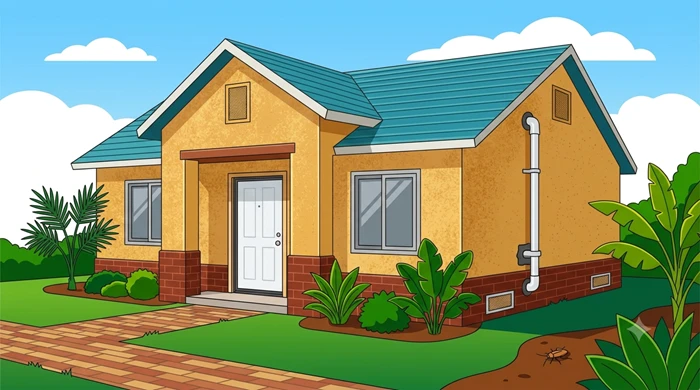
Palmetto bugs are a common concern for homeowners in South Florida, where warm temperatures, high humidity, frequent rainfall, and moisture-rich outdoor environments create favorable conditions for these large insects. Although they often live outdoors, they can enter houses through small cracks, gaps around doors, plumbing openings, damaged screens, and other overlooked entry points. Understanding how to seal your home against palmetto bugs in South Florida can help reduce unwanted encounters and make your living space more comfortable.
Effective prevention starts with identifying how insects enter, correcting moisture problems, sealing structural gaps, and maintaining the exterior of your property. A combination of practical repairs and consistent maintenance can make your home less accessible to unwanted pests without relying entirely on chemical treatments.
Key Takeaways
-
Seal cracks around windows, doors, pipes, and foundation openings to reduce insect entry.
-
Control soil moisture, standing water, and indoor humidity to discourage pest activity.
-
Maintain weatherstripping, drainage systems, screens, and exterior finishes throughout the year.
-
Combine home sealing with sanitation and routine inspections for more reliable pest prevention.
Why Palmetto Bugs Are Common in South Florida Homes
South Florida’s subtropical climate creates favorable conditions for many moisture-loving insects. Warm weather persists throughout much of the year, while summer storms, humid air, and lush landscaping provide shelter and access to water.
The term palmetto bug commonly refers to certain large cockroaches, including the American cockroach. These insects often inhabit outdoor areas such as mulch beds, palm debris, drainage systems, and damp spaces around buildings.
What Attracts Palmetto Bugs to Residential Properties?
Homeowners researching what are palmetto bugs often want to understand why these insects appear indoors, even when a house looks clean. Their presence does not automatically indicate poor housekeeping.
Outdoor populations can move inside while searching for water, food, or shelter. Leaky pipes, uncovered drains, decaying leaves, pet food, and accessible garbage may make a property more attractive.
Cracks in exterior walls and gaps around utility lines provide convenient routes indoors. Reducing these opportunities is an important part of managing palmetto bugs south florida homeowners frequently encounter.
How Seasonal Weather Affects Pest Activity
Heavy rainfall can disturb outdoor hiding places and increase insect movement around buildings. Excess moisture may also collect beneath landscaping, around foundations, and near poorly drained patios.
During drier periods, insects may search for water near outdoor faucets, air-conditioning condensate lines, and plumbing fixtures. Sealing entry points and correcting moisture issues throughout the year can help limit these movements.
1. Inspect Your Home for Common Insect Entry Points
Before purchasing sealants or replacing building materials, inspect the areas where insects are most likely to enter. A careful inspection helps prioritize repairs and prevents unnecessary work.
Walk around the outside of your property during daylight. Examine the foundation, exterior walls, windows, doors, roofline, garage, and utility penetrations.
Check Cracks Around the Foundation and Exterior Walls
Small gaps near the foundation, damaged mortar joints, and cracks around exterior penetrations can provide access to insects. Pay particular attention to areas where different building materials meet.
Use a suitable exterior-grade sealant for narrow, stable gaps. Larger cracks, shifting masonry, recurring water intrusion, or damaged structural components should receive a professional assessment before cosmetic repairs begin.
Homeowners looking for a home renovation contractor near me can explore professional remodeling services when sealing work involves broader exterior repairs or improvements.
Examine Doors, Windows, and Garage Openings
Entry doors should close securely without leaving visible gaps along the threshold or sides. Worn weatherstripping and damaged door sweeps can create openings that are easy to overlook.
Inspect window screens for tears, loose frames, and gaps around the edges. Garage doors also deserve attention because small spaces beneath the door or around its sides can connect outdoor areas to storage spaces and adjoining rooms.
Replace worn seals and adjust doors that do not close properly. These straightforward improvements can reduce access for insects while helping improve comfort and energy efficiency.
2. Seal Gaps Around Plumbing, Electrical Lines, and Vents
Utility penetrations are among the most overlooked areas during pest prevention. Water pipes, electrical conduits, air-conditioning lines, and cable connections often pass through exterior walls with small gaps around them.
Inspect these openings inside and outside the building. Look beneath kitchen sinks, behind washing machines, around bathroom plumbing, and near air-conditioning equipment.
Choose the Right Sealant for Each Opening
Silicone or polyurethane sealants may work well for appropriate exterior joints, depending on the surface material and manufacturer’s instructions. Expanding foam can help fill certain concealed gaps, but it should not obstruct drainage, ventilation, or required clearances.
Never cover weep holes, soffit ventilation openings, or other designed drainage and ventilation features. These openings serve important building functions and require suitable pest-resistant screening or other approved solutions when protection is needed.
For electrical penetrations, fire-rated assemblies, and openings near hot equipment, use materials approved for the application. Avoid placing ordinary foam or sealant where it could create a fire, electrical, or moisture-management hazard.
Protect Drains and Ventilation Openings
Floor drains, laundry areas, and utility rooms should be inspected for damaged covers, plumbing leaks, and deteriorating seals. Use properly fitted drain covers or screens designed for the specific application.
Do not permanently block plumbing vents or drains to prevent insects. Proper drainage and ventilation must remain functional to protect the home.
3. Use Exterior Sealing to Reduce Moisture Problems
Sealing a building against insects is not simply a matter of filling every visible opening. In South Florida, exterior moisture management is equally important because trapped water can damage materials and create conditions that attract pests.
A properly maintained exterior helps protect the building envelope, directs rainwater away from vulnerable areas, and reduces unnecessary moisture accumulation.
Maintain Brick, Stucco, and Exterior Finishes
Cracked stucco, deteriorating joints, and gaps around windows can allow water to enter the wall assembly. Over time, moisture can damage finishes and create additional maintenance concerns.
Homeowners can learn how to protect brick and stucco in South Florida by understanding the role of appropriate surface protection, repairs, and routine inspections.
Not every wall requires the same coating or treatment. Select compatible products based on the existing material, exposure conditions, and manufacturer’s guidance.
Prevent Water From Penetrating Stucco Walls
Hairline cracks, damaged sealant around windows, and deteriorating joints deserve attention before the rainy season. However, covering a damp wall with an impermeable coating can trap moisture and worsen existing problems.
Review guidance on how to protect stucco from moisture with proper sealing when planning repairs for exterior walls exposed to frequent rainfall and humidity.
Repair the underlying cause of water intrusion first. Appropriate drainage, compatible materials, and correctly detailed joints provide more reliable protection than applying sealant indiscriminately.
4. Control Soil Moisture and Improve Outdoor Drainage
The area surrounding a house can influence pest activity just as much as the building itself. Dense vegetation, wet mulch, decaying leaves, and standing water may provide shelter and moisture near potential entry points.
Inspect landscaping beds, downspouts, air-conditioning discharge areas, and spaces beneath outdoor fixtures.
Keep Water Away From the Foundation
Make sure gutters and downspouts discharge water away from the house through an appropriate drainage arrangement. Correct low spots where water repeatedly collects, and address irrigation systems that spray exterior walls or keep the ground saturated.
Managing soil moisture helps reduce persistently damp conditions near foundations. However, drainage work must respect property boundaries and local requirements rather than directing water onto neighboring land.
Avoid piling mulch, leaves, or other organic debris against exterior walls. Maintain a manageable gap between dense vegetation and the house so that inspections and maintenance remain straightforward.
Maintain Patios, Walkways, and Pavers
Patios and walkways can develop shaded, damp areas where organic debris accumulates. These conditions may encourage pest activity near doors and other openings.
Routine cleaning, proper drainage, and repairing uneven or damaged paving can improve the surrounding environment. Appropriate sealing may also help protect certain paving materials, although it is not a substitute for correcting drainage problems.
Before budgeting for exterior maintenance, review cost of paver sealing in South Florida to understand the factors that influence the price of the work.
Regular maintenance also matters because why skipping paver sealing in South Florida leads to mold and ants explains how neglected paving can develop additional outdoor maintenance problems. The appropriate treatment depends on the paver type, its condition, and the manufacturer’s recommendations.
5. Reduce Indoor Moisture and Eliminate Food Sources
Even a well-sealed building can attract insects when indoor conditions provide easy access to food and water. Kitchens, bathrooms, laundry rooms, and utility areas deserve particular attention.
Repair Leaks and Manage Humidity
Check beneath sinks, around toilets, behind appliances, and near water heaters for drips or damp surfaces. Repair plumbing leaks promptly and investigate recurring musty odors or unexplained moisture.
Air-conditioning systems can help control indoor humidity when properly sized and maintained. Use bathroom exhaust fans where appropriate, and ensure they discharge outdoors rather than into enclosed wall or attic spaces.
Maintain Clean and Dry Indoor Spaces
Store food in sealed containers and clean spills promptly. Empty garbage regularly, use containers with secure lids, and avoid leaving pet food exposed overnight.
Remove cardboard clutter from damp storage areas and inspect spaces beneath appliances for crumbs or moisture. Good sanitation will not eliminate every outdoor insect, but it reduces the resources available to those that enter.
6. Inspect the Roofline, Attic, and Outdoor Equipment
Some entry points are located above ground level or in areas homeowners rarely inspect. Roof edges, soffits, attic vents, and exterior equipment connections can develop gaps as materials age or weather conditions take their toll.
Check Soffits, Roof Edges, and Screens
Look for damaged vent screens, loose soffit panels, missing trim, and gaps where roofing materials meet exterior walls. Repair openings with materials appropriate for the building assembly.
Keep roof drainage systems clear of leaves and debris. Damaged gutters can overflow, saturate nearby soil, and contribute to moisture problems around the foundation.
Roof inspections should be performed safely from the ground where possible. Leave steep roofs, unstable ladders, and suspected structural damage to qualified professionals.
Inspect Air-Conditioning and Utility Areas
Outdoor air-conditioning equipment often sits near walls where pipes and electrical connections enter the house. Check these areas for gaps, standing water, accumulated leaves, and deteriorating sealant.
Keep equipment clear of debris while following manufacturer-specified clearance requirements. Condensate lines should discharge correctly, and persistent pooling should be investigated rather than ignored.
7. Create a Long-Term Palmetto Bug Prevention Plan
One round of sealing is rarely the end of exterior maintenance. Sealants deteriorate, weatherstripping compresses, screens tear, and storms can damage building materials.
A simple inspection schedule makes it easier to identify minor issues before they become larger repairs.
Use a Seasonal Maintenance Checklist
Monthly: Check under sinks, inspect visible plumbing for leaks, clean kitchen areas, and remove accumulated debris near entry doors.
Before the rainy season: Inspect exterior caulking, window screens, door sweeps, gutters, downspouts, and drainage areas.
After major storms: Look for damaged screens, new wall cracks, loose trim, standing water, and changes in how water drains around the property.
Annually: Arrange a more thorough inspection of exterior finishes, roofline details, and vulnerable utility penetrations. Consider professional pest control when insects continue appearing despite preventive repairs.
When to Call a Pest Control Professional
Occasional insects entering from outdoors may be addressed through sanitation, exclusion, and moisture control. Repeated sightings, multiple insects indoors, or activity around drains and wall voids may require a more detailed investigation.
A licensed pest control professional can identify likely species, locate contributing conditions, and recommend an appropriate treatment plan. Avoid relying on indoor sprays alone when the source of the problem is an exterior opening or a persistent moisture issue.
How Top Renovations Can Help Protect Your Home
Top Renovations provides a range of home renovation services in South Florida, helping homeowners address property maintenance needs alongside larger improvement projects. Exterior repairs, remodeling, and improvements to vulnerable building areas can support a better-maintained home when planned around the property’s specific condition.
For projects involving damaged stucco, deteriorating exterior finishes, gaps around openings, or broader remodeling needs, professional assessment can help determine which repairs should be prioritized. The goal is to address the underlying building issues while preserving proper drainage, ventilation, and material compatibility.
Homeowners searching for a home renovation company near me should look for a provider that understands local weather exposure, exterior construction materials, and the importance of durable repairs. Renovation work can complement pest prevention, although sealing and remodeling alone cannot guarantee that insects will never enter a property.
Conclusion
Keeping palmetto bugs out of a South Florida home requires more than applying caulk around a few windows. Effective prevention combines carefully selected sealing materials, well-maintained doors and screens, sound exterior finishes, proper drainage, and consistent indoor sanitation.
By inspecting vulnerable areas regularly and addressing moisture problems early, homeowners can reduce common insect entry routes and protect their property’s condition. When repairs extend beyond basic maintenance, experienced renovation and pest control professionals can help identify the appropriate next steps.
Frequently Asked Questions
1. How can I keep palmetto bugs out of my South Florida home?
Seal suitable gaps around doors, windows, pipes, and exterior walls while controlling moisture, maintaining screens, and keeping food and debris properly managed.
2. Does sealing cracks completely eliminate palmetto bugs?
No. Sealing reduces common entry points, but outdoor populations, plumbing conditions, and overlooked openings may still allow insects indoors.
3. What sealant works best for keeping palmetto bugs out?
The best option depends on the surface and opening. Exterior-grade silicone or polyurethane may suit certain joints, while larger or specialized openings require application-specific materials.
4. Can moisture around the foundation attract palmetto bugs?
Damp areas can provide favorable conditions for many insects. Proper drainage, leak repairs, and removal of wet organic debris can help make the area less attractive.
5. When should I hire a professional for palmetto bug problems?
Seek professional assistance when sightings are frequent, insects appear in multiple rooms, or sealing and sanitation do not resolve the problem.