

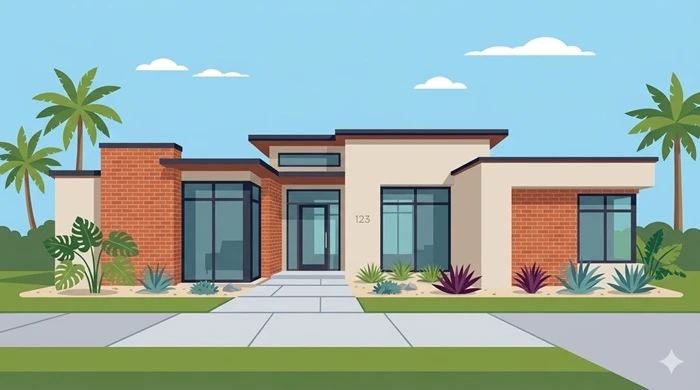
South Florida homes face a demanding mix of heat, humidity, intense sunlight, wind-driven rain, salt-laden air near the coast, and frequent storms. Those conditions can gradually affect masonry finishes, painted surfaces, joints, and protective coatings. A well-planned home exterior renovation can help manage moisture, refresh curb appeal, and extend the service life of exterior materials. For properties combining masonry and stucco, choosing the right coating strategy matters just as much as the color or finish.
A practical home exterior renovation starts with the condition of the surface rather than the product label. Exterior walls should be cleaned, repaired, dried, and evaluated before a sealer or paint is applied. The goal is not simply to make the facade look new; it is to create a durable exterior system suited to South Florida conditions.
Key Takeaways
-
A home exterior renovation should begin with moisture inspection and surface preparation.
-
Brick and stucco need different approaches because their porosity, movement, and coating requirements vary.
-
Breathable, compatible sealers can help manage water exposure without trapping unwanted moisture.
-
Proper repairs, color selection, application, and maintenance are essential for a durable finish.
Why South Florida Homes Need Exterior Protection
The South Florida climate puts exterior walls under repeated environmental stress. High humidity can keep surfaces damp, while heavy rainfall can drive water into small cracks and porous masonry. Strong ultraviolet exposure can also fade finishes and accelerate surface deterioration.
A thoughtful home exterior renovation addresses these conditions as part of one system. Instead of covering visible defects, the work should identify cracks, failed caulking, loose coatings, staining, and areas where water may be entering.
Understanding Brick and Stucco Surfaces
Masonry brick is naturally porous, so it can absorb and release moisture. That characteristic makes surface preparation and coating selection important. A coating that is poorly matched to the masonry may reduce the wall’s ability to manage moisture and can contribute to peeling or blistering.
For brick facades, an appropriate exterior brick paint system should be compatible with the existing surface and the manufacturer’s preparation requirements.
Stucco is also porous, but its performance depends heavily on its thickness, underlying assembly, cracks, joints, and previous coatings. Hairline cracks can appear from normal movement, while larger or recurring cracks may indicate a condition that deserves professional evaluation.
Choosing a Sealer for South Florida Conditions
The right sealer should match the material, existing coating, exposure level, and intended finish. A sealer is not a universal solution for every exterior problem.
A stucco sealer can help reduce direct water absorption when the product is designed for the substrate and applied correctly. The selected coating should also work with the existing finish and allow the wall assembly to perform as intended.
For exposed stucco, a waterproof stucco sealer may be considered where the product specifications, surface condition, and moisture-management needs make it appropriate. Product instructions matter because different formulations have different permeability, coverage, curing, and preparation requirements.
Existing painted surfaces require extra care. Applying stucco sealer over paint without confirming compatibility can create adhesion or moisture-management problems. The existing coating should be sound, properly bonded, and suitable for the proposed system.
Surface Preparation Comes First
No home exterior renovation can compensate for poor preparation. Coatings depend on a clean, stable, properly repaired surface.
Look for cracks, failed sealant, loose paint, damaged mortar, staining, mildew, efflorescence, and areas where water appears to collect. Downspouts and gutters should also be checked because concentrated runoff can repeatedly wet exterior walls.
Cleaning methods should be selected according to the material and condition. Excessive pressure can damage softer masonry, open existing cracks, or remove surface material that should remain intact.
Cracks and damaged joints should be addressed before sealing. Repairs should use materials compatible with the substrate and the movement expected at the location.
When Repair Is Better Than Covering
Not every weathered wall needs a complete replacement. The appropriate approach depends on the extent and cause of deterioration.
A useful starting point is learning the differences in stucco repair vs. replacement. That comparison can help homeowners understand why localized damage may call for repair while extensive deterioration may require a broader solution.
The same principle applies to brick. Damaged mortar, loose masonry, and persistent moisture should be corrected before a decorative coating is considered. Covering a defect may temporarily hide it without solving the underlying issue.
Coordinating Color, Paint, and Sealing
A successful home exterior renovation should balance protection with appearance. Brick and stucco can be coordinated through complementary tones, contrasting trim, or a consistent neutral palette.
Homeowners planning a painted masonry exterior can explore best exterior paint colors for ideas that suit the bright South Florida environment.
For brick facades, color combinations should account for the roof, windows, doors, landscaping, and surrounding architecture. Thoughtful exterior brick and paint color combinations can make different materials appear intentionally connected rather than visually mismatched.
The choice of finish also affects maintenance. Very dark colors can absorb more solar energy, while lighter finishes often create a brighter appearance and can complement tropical landscaping. The final selection should also follow the coating manufacturer’s recommendations for the substrate.
Working With an Exterior Renovation Professional
Professional planning can make a home exterior renovation more predictable, especially where multiple materials meet. Experienced contractors can identify preparation requirements, recommend compatible systems, and coordinate repairs with coating work.
For homeowners comparing contractors, home renovation contractors can provide a starting point for finding a team familiar with exterior improvement projects.
Top Renovations provides affordable home remodelling services in South Florida, with exterior improvement work that can help homeowners address appearance, maintenance, and practical renovation needs. A coordinated approach is particularly useful when a property has several exterior materials that require different preparation and finishing methods.
Maintenance After Sealing and Painting
A completed home exterior renovation still needs routine care. Exterior walls should be inspected periodically for new cracks, staining, failed sealant, peeling, and areas that remain damp after rainfall.
Gentle cleaning can remove dirt, salt deposits, and organic growth before they become harder to manage. Vegetation should also be kept from constantly touching walls where it can hold moisture against the surface.
Drainage deserves attention throughout the life of the finish. Downspouts should discharge water away from the foundation and wall surfaces, while roof drainage should not repeatedly concentrate runoff in one location.
A home exterior renovation is also an opportunity to review the details that connect walls, roofs, windows, doors, and drainage. These transition points can influence how rainwater reaches the facade. Good planning considers the whole exterior rather than treating one wall as an isolated project.
For older properties, a home exterior renovation may reveal layers of previous paint or repair materials. Those layers should be assessed before new coatings are selected. Removing loose or incompatible material can be more important than simply adding another finish.
Before approving a home exterior renovation, homeowners should ask what preparation is included, which products are being specified, how cracks and joints will be handled, and what maintenance the finished system requires. Clear answers make it easier to compare proposals based on scope rather than price alone.
A well-documented home exterior renovation can also make future maintenance easier. Keeping product information, color names, repair notes, and completion dates provides a useful record when the exterior eventually needs touch-ups or another inspection.
Common Mistakes to Avoid
A coating should not be treated as a substitute for fixing active leaks, damaged joints, or significant cracking. Moisture sources need to be addressed before the protective finish is installed.
Different coatings are formulated for different substrates and conditions. Mixing systems without confirming compatibility can affect adhesion, appearance, and durability.
A small test section can reveal how a product looks and bonds to the existing surface. It can also help confirm color and finish expectations before full application.
Drying, curing, and weather conditions influence coating performance. Following product instructions and allowing adequate curing time can reduce avoidable failures.
Budgeting for Long-Term Exterior Performance
Cost should be evaluated alongside the condition of the property and the expected service life of the work. A low initial price may not represent good value when extensive preparation, repairs, or recoating become necessary soon afterward.
A home exterior renovation budget should account for inspection, cleaning, repairs, masking, primer or sealer, finish coats, access equipment, and cleanup. Coastal exposure, wall height, existing coatings, and the amount of repair work can also affect the scope.
Homeowners looking for affordable exterior remodeling solutions can compare approaches based on the condition of the property rather than selecting a coating solely by price.
A Practical Plan for a Durable Exterior
A reliable home exterior renovation can be organized into a straightforward sequence: inspect the facade, identify moisture sources, clean the surfaces, repair defects, verify substrate compatibility, select the coating system, apply it according to manufacturer instructions, and establish a maintenance schedule.
That process is more dependable than choosing a sealer first and attempting to make the existing wall fit the product. Brick and stucco each have their own characteristics, so the solution should be based on the actual condition of the property.
South Florida homeowners can also benefit from treating exterior improvements as preventative maintenance rather than waiting for visible deterioration to become extensive. Early attention to cracks, drainage, staining, and failing finishes can help control future repair requirements.
Conclusion
A durable home exterior renovation in South Florida depends on more than applying a fresh coat of sealer or paint. Brick and stucco need careful inspection, appropriate preparation, compatible products, and attention to moisture management.
When the work is planned around the property’s actual condition, homeowners can improve curb appeal while creating an exterior that is easier to maintain. The right combination of repairs, protective coatings, color coordination, and routine inspections can support long-term exterior performance in a demanding climate.
FAQs
1. Can brick and stucco use the same sealer?
Not necessarily; each material requires a coating system compatible with its surface and moisture characteristics.
2. Does sealing stucco stop all water intrusion?
No; sealing can reduce water absorption, but cracks, joints, leaks, and drainage problems still require separate attention.
3. How often should exterior walls be inspected?
A practical approach is to inspect them at least annually and after major storms for cracks, staining, and coating damage.
4. Can painted stucco be sealed?
It can be possible when the existing coating is sound and the proposed product is specifically compatible with the painted surface.
5. Is exterior painting enough to protect brick?
Painting may provide a decorative and protective finish, but proper cleaning, repairs, substrate preparation, and compatible products remain important.