

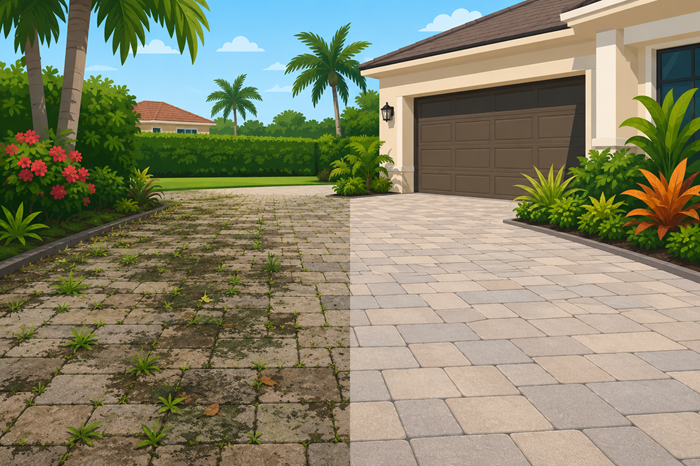
South Florida homeowners invest heavily in attractive outdoor spaces, but many overlook one critical step after installing pavers: sealing them. While pavers are designed to be durable and visually appealing, leaving them unsealed can create the perfect environment for mold growth, weed invasion, and ant infestations.
If you’ve recently upgraded your outdoor surface or are planning improvements, understanding the role of paver protection can help you avoid costly repairs and maintenance headaches. In fact, neglecting proper driveway sealing is one of the most common reasons paver surfaces deteriorate prematurely in South Florida’s humid climate.
Why South Florida’s Climate Is Tough on Pavers
South Florida offers sunshine year-round, but it also brings heavy rainfall, high humidity, and warm temperatures. These conditions create ideal breeding grounds for organic growth and pests.
Without a protective barrier, moisture seeps into porous surfaces and settles between joints. Over time, this trapped moisture encourages mold, mildew, weeds, and insects to take hold.
The result is more than just an unattractive surface. Structural issues can develop as roots spread, ants tunnel beneath pavers, and constant moisture weakens joint stability.
What Does Paver Sealing Actually Do?
A quality sealer forms a protective layer over the surface while helping stabilize the sand between joints.
This barrier helps:
- Reduce moisture penetration
- Protect against staining
- Limit weed growth
- Discourage insect activity
- Preserve color and appearance
- Extend the lifespan of the installation
Many homeowners focus on aesthetics alone, but a properly applied driveway sealer serves as a preventive maintenance tool that protects the entire paved area.
How Skipping Sealer Leads to Mold Growth
Moisture Becomes Trapped in Porous Surfaces
Pavers naturally absorb water. During South Florida’s frequent rainstorms, moisture settles into tiny pores and remains there long after the surface appears dry.
When sunlight, warmth, and humidity combine, mold spores quickly multiply.
Dark spots often begin appearing in shaded areas before spreading across larger sections. Over time, the surface can become slippery and difficult to clean.
Organic Debris Fuels Mold Colonies
Leaves, dirt, pollen, and other debris accumulate between joints throughout the year.
When moisture mixes with this organic material, it creates an ideal food source for mold and mildew. Without sealing protection, these contaminants become embedded within the surface, making removal much harder.
Regular cleaning helps, but prevention is far more effective than constant scrubbing.
Why Weeds Thrive Between Unsealed Pavers
Wind-Blown Seeds Settle Into Joints
Many homeowners assume weeds grow from beneath pavers. In reality, most arrive from above.
Tiny seeds carried by wind, rain, and foot traffic settle into the joint sand. Once moisture reaches those seeds, germination begins.
Without a protective sealer locking joint materials into place, weeds can establish roots surprisingly quickly.
Root Growth Creates Long-Term Damage
What starts as a small weed can become a significant maintenance issue.
Roots expand beneath the surface and gradually displace individual pavers. Uneven sections may develop, creating tripping hazards and affecting drainage performance.
These repairs often cost far more than preventive maintenance would have.
How Ants Turn Small Gaps Into Big Problems
Joint Sand Becomes an Attractive Habitat
Ants naturally seek dry, protected areas for nesting.
When paver joints remain unsealed, insects can easily remove sand and create tunnels beneath the surface. As colonies expand, they weaken the foundation supporting the pavers.
Homeowners often notice small sand piles before realizing ants have established a large network below.
Surface Movement Increases Over Time
As ants continue excavating, voids develop under the pavers.
Eventually, sections may shift, sink, or become uneven. This movement compromises both appearance and functionality.
Addressing insect-related settling often requires lifting and reinstalling affected areas.
The Financial Impact of Delaying Protection
Many homeowners skip sealing because they want to reduce upfront expenses.
Unfortunately, postponing protection usually leads to greater costs later.
Potential expenses include:
- Weed removal services
- Mold treatment and cleaning
- Ant extermination
- Joint sand replacement
- Surface repairs
- Paver resetting
When evaluating long-term maintenance expenses, the typical driveway sealing cost is often significantly lower than repeated repair work.
Signs Your Pavers Need Attention
If your paved surface has never been sealed, watch for these warning signs:
Visible Weed Growth
Even small weeds indicate moisture and seeds are reaching the joints.
Dark Stains or Discoloration
Black, green, or brown patches may signal mold or mildew development.
Loose Joint Sand
Gaps between pavers often suggest erosion caused by rain, traffic, or insects.
Ant Activity
Small mounds of sand and increased insect presence frequently indicate underground nesting.
Addressing these issues early can prevent more extensive restoration later.
Choosing the Right Protection Strategy
Not all sealing products perform equally in South Florida conditions.
The best results come from selecting a product designed to withstand intense UV exposure, humidity, and frequent rainfall.
Homeowners considering surface upgrades often research the best driveway pavers because selecting the right materials, combined with proper sealing and maintenance, can significantly improve durability and long-term performance.
Professional application is also important. Proper surface preparation, cleaning, and curing significantly influence final results.
Why Professional Installation and Maintenance Matter
Experienced professionals understand how local climate conditions affect paved surfaces.
A qualified driveway contractor can evaluate drainage, surface condition, joint integrity, and sealing requirements before problems become severe.
Professional inspections often identify hidden issues that homeowners may overlook.
Additional Ways to Protect Your Outdoor Space
Beyond sealing, smart design choices contribute to long-term durability.
For example, incorporating smart driveway lighting ideas can improve visibility, helping homeowners spot early signs of weeds, moisture buildup, or surface movement before they escalate.
Good drainage planning and routine maintenance also play major roles in preserving outdoor investments.
Material Choices Influence Maintenance Requirements
The type of surface you install affects future upkeep needs.
Many South Florida homeowners researching durable paving solutions compare various materials before making a decision. Understanding the advantages and considerations involved in choosing concrete driveways can provide valuable perspective when evaluating long-term maintenance expectations.
Likewise, design trends such as modern large-format light grey concrete slab driveways continue to gain popularity because they combine contemporary aesthetics with practical performance.
The Role of Ongoing Maintenance
Even sealed surfaces benefit from periodic inspections and cleaning.
A maintenance plan should include:
- Sweeping debris regularly
- Removing stains promptly
- Checking for joint erosion
- Monitoring drainage performance
- Reapplying protective coatings when needed
Proper care helps maximize the effectiveness of any driveway sealant and reduces the likelihood of future repairs.
Conclusion
South Florida’s climate creates unique challenges for outdoor surfaces. Excess moisture, intense heat, frequent rainfall, weeds, mold, and insects all work against unprotected pavers.
Skipping the sealing process may save money initially, but it often leads to higher maintenance costs, reduced curb appeal, and avoidable structural issues. Whether you’re maintaining existing driveway pavers or planning a new installation, protecting the surface with an appropriate sealer is one of the smartest long-term investments you can make.
A well-maintained concrete driveway or paver installation not only looks better but also performs more reliably for years to come.
Frequently Asked Questions
1. How often should pavers be sealed in South Florida?
Most pavers benefit from resealing every 3–5 years depending on exposure and traffic.
2. Can sealing prevent weed growth completely?
It significantly reduces weed growth by stabilizing joints and limiting seed penetration.
3. Does sealing help stop ant infestations?
Yes, sealing helps reduce access to joint sand where ants commonly build nests.
4. Is mold more common on unsealed pavers?
Yes, unsealed surfaces absorb moisture more easily, creating favorable conditions for mold.
5. Can existing mold be removed before sealing?
Yes, the surface should be thoroughly cleaned and treated before any sealer is applied.