

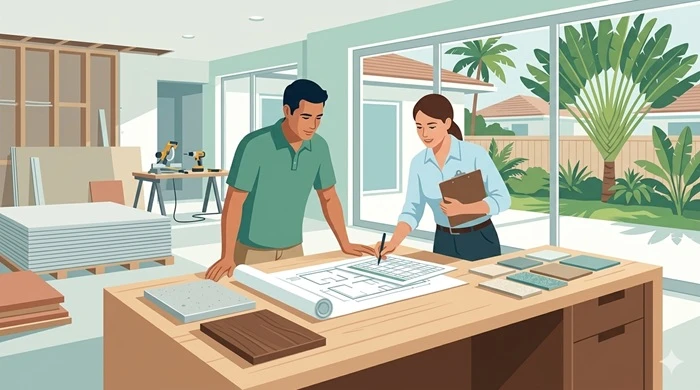
Home remodeling can make your property more comfortable, functional, and appealing, but an unclear budget can quickly turn an exciting project into an expensive headache. In South Florida, homeowners must also consider humidity, hurricane-resistant materials, local building codes, labor costs, and potential hidden repairs. Following practical home remodeling tips helps you prioritize improvements, control expenses, and achieve a beautiful result without unnecessary spending.
Whether you’re updating a kitchen, renovating a bathroom, or planning a larger transformation, the key is to make informed decisions before construction begins.
Key Takeaways
-
Set a realistic budget with a 10–20% contingency for unexpected expenses.
-
Prioritize essential repairs, durable materials, and improvements that fit your lifestyle.
-
Compare detailed contractor estimates and confirm permit requirements before work starts.
-
Avoid unnecessary upgrades, last-minute changes, and rushed purchasing decisions.
1. Set a Realistic Remodeling Budget Before Starting
One of the most effective home remodeling tips is to establish a spending limit before choosing finishes, appliances, or design features. Research typical prices for your specific project, request preliminary estimates, and determine which improvements are essential.
Your home remodeling cost will depend on the property’s condition, project size, material quality, labor requirements, and local permitting rules. A bathroom refresh, for example, usually requires a different financial plan than a complete kitchen renovation.
Divide Your Budget Into Clear Categories
Break the budget into materials, labor, permits, design services, fixtures, and cleanup. Keep a separate reserve for unexpected problems, such as water damage, outdated wiring, or plumbing issues discovered during demolition.
A contingency fund of 10–20% is a reasonable starting point, although older homes and complex projects may require more. Treat this reserve as protection against surprises, not money available for optional upgrades.
2. Prioritize Improvements That Matter Most
Not every attractive upgrade deserves a place in your renovation plan. Focus on changes that improve daily comfort, address maintenance concerns, and support the property’s long-term condition.
For example, repairing a leaking roof, improving ventilation, or replacing damaged flooring may be more important than installing decorative lighting throughout the house.
Separate Essential Work From Optional Upgrades
Create three lists before meeting contractors:
-
Essential: Structural repairs, leaks, electrical safety, and code-related improvements.
-
Important: Kitchen storage, bathroom functionality, energy efficiency, and worn-out finishes.
-
Optional: Premium fixtures, decorative features, and luxury additions.
These priorities help you make sensible decisions when estimates exceed expectations. They also provide a clear framework for applying the best home remodeling tips without sacrificing important repairs.
For more inspiration, explore this room-by-room home remodeling guide to identify practical improvements for different areas of your home.
3. Choose Materials That Suit South Florida’s Climate
South Florida’s warm temperatures, humidity, heavy rainfall, and hurricane exposure can affect the durability of remodeling materials. Choosing products solely because they are inexpensive may lead to repairs or replacements sooner than expected.
Consider porcelain tile, moisture-resistant cabinetry components, suitable exterior finishes, and corrosion-resistant hardware where appropriate. The right selection depends on the room, installation method, product specifications, and exposure conditions.
Balance Upfront Price With Long-Term Value
Affordable materials can perform well when they are properly selected and installed. However, products designed for dry climates or light use may not suit a humid coastal environment.
Ask your contractor about warranties, maintenance requirements, moisture resistance, and expected service life. For exterior improvements, confirm that materials and installation methods meet applicable local requirements and building codes.
This approach is central to practical budget-friendly home remodeling tips because it reduces the risk of paying for premature repairs.
4. Compare Contractor Estimates Carefully
The lowest estimate is not necessarily the best deal. A quote may exclude demolition, debris removal, permits, surface preparation, or other work that appears later as an additional charge.
Request written estimates that describe the project scope, materials, labor, payment schedule, exclusions, and anticipated completion timeline. Comparing equivalent proposals makes it easier to identify genuine savings.
Check Credentials and Project Experience
Verify applicable Florida licensing requirements, insurance coverage, references, and experience with similar properties. Ask who will supervise the project and how changes will be documented.
Homeowners searching for home remodeling contractors near me can use Top Renovations as a starting point for exploring remodeling services in South Florida.
Top Renovations is a remodeling company serving the South Florida market and is worth considering when evaluating local renovation options. Before hiring any company, review its qualifications, recent projects, written proposal, and customer references to determine whether it suits your budget and expectations.
5. Avoid Expensive Last-Minute Design Changes
Changing your mind after construction begins can increase labor charges, delay deliveries, and waste materials. Moving plumbing fixtures, changing cabinet dimensions, or replacing already-ordered finishes may require additional work.
One of the most useful home remodeling tips is to finalize major design decisions before demolition begins.
Create a Detailed Project Plan
Confirm the layout, measurements, finishes, appliances, lighting, and storage requirements in advance. Select backup products for items that may become unavailable, and make sure your contractor approves substitutions before ordering.
Maintain a written record of every change, including its price and effect on the schedule. Approve additional work only after understanding the full financial impact.
These simple habits help prevent budget overspending while keeping the project organized and predictable.
6. Understand Permits, Inspections, and Local Requirements
Permits are an important part of many South Florida remodeling projects. Requirements vary by municipality, property type, and the work being performed.
Structural alterations, electrical upgrades, plumbing changes, and certain exterior improvements may require permits or inspections. Work involving hurricane protection or other regulated building components can also have specific requirements.
Confirm Requirements Before Construction
Contact the relevant local building department or ask a qualified contractor to identify the permits and inspections needed for your project.
Do not assume that cosmetic-looking work is automatically exempt. Unpermitted work can create compliance issues, complications during a future sale, and additional expenses to correct deficiencies.
Planning for approvals early is one of the most reliable home remodeling tips for avoiding preventable delays and unexpected charges.
7. Know When to DIY and When to Hire a Professional
Doing selected tasks yourself can reduce labor expenses, but not every project is suitable for DIY work. Painting, basic preparation, and some simple finishing tasks may be manageable for homeowners with the right skills.
Electrical work, plumbing modifications, structural changes, and other regulated tasks should be handled by appropriately qualified professionals.
Calculate the Real Cost of DIY
Consider the tools, materials, time, safety precautions, and likelihood of mistakes before deciding to do the work yourself. An incorrectly installed floor or poorly prepared surface can require professional correction.
A sensible approach is to handle manageable cosmetic tasks while leaving technical work to experienced tradespeople. This keeps savings realistic without compromising safety or workmanship.
8. Make Smart Decisions About High-Value Upgrades
Not every premium upgrade produces a meaningful improvement in comfort or resale appeal. Prioritize features that address your household’s needs rather than copying every trend.
Well-planned storage, functional kitchen layouts, durable flooring, efficient lighting, and improved ventilation can offer practical benefits. Luxury finishes may also make sense when they fit your budget and the property’s overall character.
Explore these luxury home remodeling ideas for high-end living for inspiration, then decide which features genuinely deserve the extra investment.
Consider Return on Investment Without Overpromising
Resale value depends on the neighborhood, property condition, buyer preferences, and quality of execution. A renovation should not be judged by resale potential alone; the benefits you receive while living in the home also matter.
Review this guide to home remodelling with ROI to better understand how project choices can affect long-term value.
9. Track Spending Throughout the Project
A budget is useful only when you monitor it. Record contractor payments, material purchases, delivery fees, approved changes, and remaining commitments in a spreadsheet or budgeting app.
Review the numbers weekly and compare actual spending against the original plan. This makes it easier to identify problems while there is still time to adjust discretionary purchases.
Keep Communication Open With Your Contractor
Request regular updates on completed work, upcoming expenses, material deliveries, and schedule changes. Discuss concerns early rather than waiting until the final invoice arrives.
These easy home remodeling tips encourage accountability and make financial decisions less stressful. Consistent communication also helps prevent misunderstandings about what the original agreement includes.
10. Use a Practical Strategy to Keep Costs Under Control
Successful renovations rely on clear priorities, careful planning, and realistic expectations. Apply these home remodeling tips and ideas before committing to major purchases or construction work.
Start with a defined scope, compare detailed proposals, choose climate-appropriate materials, and protect your contingency fund. Make design decisions early and avoid expanding the project without reviewing the financial consequences.
A whole-house renovation deserves additional planning because several rooms, trades, and construction phases must work together. Read this overview of what to expect during a whole-home remodeling project before committing to a larger transformation.
The most effective home remodeling tips budget approach is not about choosing the cheapest option every time. It is about spending deliberately, preventing avoidable mistakes, and investing in improvements that deliver lasting practical value.
Conclusion
Keeping a remodeling project within budget starts well before construction. Define your priorities, research local requirements, select suitable materials, and work with professionals who provide transparent estimates and clear communication.
With thoughtful planning, homeowners can improve their South Florida properties while keeping unnecessary spending under control. The goal is a renovation that meets your needs, respects your finances, and performs well for years to come.
Frequently Asked Questions
1. How much contingency should I set aside for remodeling?
A reserve of 10–20% of the planned budget is a useful starting point, with more potentially necessary for older homes or complex renovations.
2. What is the best way to reduce remodeling expenses?
Finalize the project scope early, compare detailed contractor estimates, choose durable materials, and avoid unnecessary design changes.
3. Do South Florida remodeling projects require permits?
Some projects require permits and inspections, depending on the work and local jurisdiction. Confirm requirements with the relevant building department before starting.
4. Which remodeling materials work well in South Florida?
Moisture-resistant, durable, and corrosion-resistant products may be suitable, depending on the application and exposure. Verify product specifications before purchasing.
5. Is hiring a professional remodeling contractor worth it?
A qualified contractor can coordinate trades, manage project requirements, and reduce the risk of costly mistakes. Compare credentials, experience, references, and written estimates before hiring.