
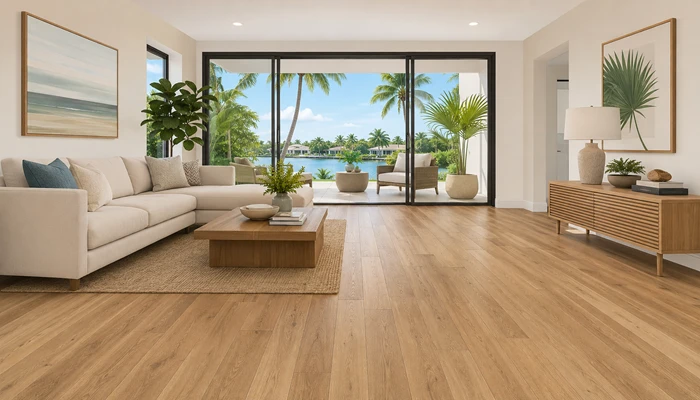
When homeowners in south florida want the warmth of wood without the drawbacks of traditional solid planks, engineered hardwood flooring is often one of the first options they consider. Its layered construction is designed to handle changing humidity levels better than many conventional wood products, making it a practical choice for coastal living.
Beyond durability, engineered hardwood flooring offers the same timeless appearance that makes wood floors so popular. It can elevate a living room, add character to a bedroom, and create a more cohesive feel throughout the home. But like any flooring material, it has advantages and disadvantages that are worth understanding before you invest.
What Is Engineered Hardwood Flooring?
Engineered hardwood flooring is made from multiple layers of wood bonded together. The top layer is real hardwood, while the core layers are typically made from plywood or high-density fiberboard. This construction helps reduce expansion and contraction caused by moisture and temperature changes.
Unlike laminate, the surface is genuine wood, which means you still get the natural grain, texture, and appearance that homeowners love. The main difference is that engineered hardwood flooring is built to be more dimensionally stable, especially in humid climates.
The Biggest Advantages of Engineered Hardwood Flooring
Better Humidity Resistance
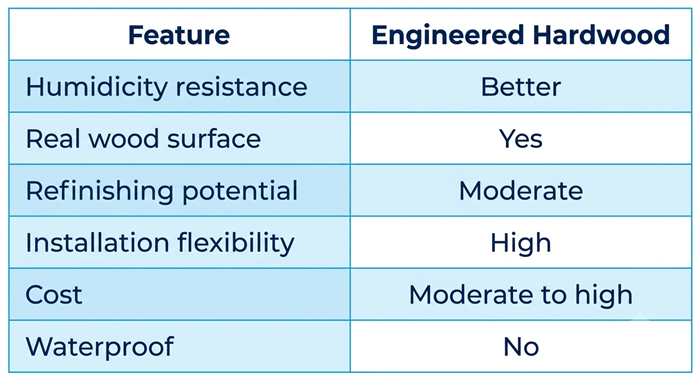
One of the strongest selling points of engineered hardwood flooring is its resistance to humidity-related movement. In coastal areas, moisture in the air can cause solid wood floors to expand, contract, or even warp over time. The layered design helps minimize these issues, making it a more reliable option for many homes.
Real Wood Appearance
Because the top layer is genuine hardwood, engineered hardwood flooring delivers an authentic wood look. You can choose from a wide range of species, finishes, and plank sizes to match your interior style.
Whether you prefer a modern light oak, a classic walnut tone, or a rustic texture, there are plenty of design options available.
Easier Installation
Many products can be installed using floating, glue-down, or nail-down methods. This flexibility often makes engineered hardwood flooring easier and faster to install than some traditional solid wood floors.
If you’re planning a larger renovation, working with experienced south florida flooring contractors can help ensure the installation is done correctly and lasts for years.
Suitable for More Areas of the Home
Because it handles moisture better than solid wood, engineered hardwood flooring can often be used in spaces where traditional hardwood may be less ideal, such as:
-
Living rooms
-
Bedrooms
-
Dining rooms
-
Hallways
-
Some kitchens
However, it is still not completely waterproof, so proper maintenance remains important.
The Drawbacks to Consider
Can Be More Expensive Than Some Alternatives
While prices vary widely, engineered hardwood flooring is often more expensive than laminate or vinyl flooring. The overall hardwood flooring cost depends on factors such as wood species, wear-layer thickness, installation method, and labor.
Higher-quality products tend to cost more upfront, but they may also provide better durability and a longer lifespan.
Limited Refinishing Potential
Solid wood floors can often be sanded and refinished multiple times. With engineered hardwood flooring, the number of times you can refinish depends on the thickness of the top wood layer.
Some premium products can be refinished several times, while lower-cost options may have very limited refinishing capability.
Not Completely Waterproof
A common misconception is that engineered hardwood flooring is waterproof. It is more moisture-resistant than solid wood, but standing water can still cause damage. Spills should be cleaned promptly, and areas with frequent water exposure may require a different flooring material.
How It Compares to Traditional Hardwood
Many homeowners searching for hardwood flooring near me are trying to decide between solid wood and engineered hardwood flooring. The best choice often comes down to climate, budget, and long-term maintenance expectations.
For many coastal homeowners, engineered hardwood flooring strikes a balance between beauty and practicality that is hard to beat.
Design Flexibility for Modern Homes
Another reason homeowners choose engineered hardwood flooring is its versatility. It pairs well with modern, coastal, farmhouse, and traditional interiors. Wide planks can make smaller rooms feel larger, while lighter finishes can brighten spaces with limited natural light.
Many homeowners also use it as part of a broader renovation strategy. If you’re updating multiple spaces, this room-by-room home remodeling guide can help you plan flooring choices alongside other upgrades.
In the next section, we’ll look at whether engineered hardwood flooring is truly the right fit for South Florida homes, how to maintain it properly, and the key factors to consider before making a final decision.
Is Engineered Hardwood Flooring the Right Choice for South Florida Homes?
For many homeowners, the answer is yes. The climate presents unique challenges, including high humidity and seasonal weather changes, and engineered hardwood flooring is designed to perform better under these conditions than many traditional wood floors.
That doesn’t mean it’s maintenance-free, but with proper installation and routine care, engineered hardwood flooring can remain attractive and durable for many years. Choosing a quality product with a thicker wear layer also increases its longevity and future refinishing potential.
Maintenance Tips for Long-Lasting Floors
Keeping engineered hardwood flooring in excellent condition doesn’t require complicated maintenance. A few consistent habits can significantly extend its lifespan.
Clean Regularly
Sweep or vacuum frequently using a soft-bristle attachment to remove dirt and debris that may scratch the surface. Follow up with a damp microfiber mop and a cleaner recommended by the flooring manufacturer.
Control Indoor Humidity
Although engineered hardwood flooring is more stable than solid wood, maintaining consistent indoor humidity helps preserve its appearance. Air conditioning and dehumidifiers can be beneficial during especially humid months.
Protect High-Traffic Areas
Place rugs near entrances and use felt pads beneath furniture legs to reduce scratches and everyday wear. Promptly wipe away spills to prevent moisture from penetrating the surface.
If your renovation also includes trim upgrades, consider incorporating waterproof PVC baseboards. They provide added protection in moisture-prone areas while complementing wood-style floors.
Choosing the Right Style
One of the greatest strengths of engineered hardwood flooring is the variety of styles available. From classic oak to rich walnut and contemporary white oak finishes, homeowners can find options that suit virtually any interior.
Finish selection also affects the overall look. Matte finishes create a natural appearance and help disguise minor scratches, while satin finishes offer a subtle sheen that works well in both traditional and modern spaces.
Plank width is another important consideration. Wide planks create an open, spacious feel, while narrower boards deliver a more classic appearance.
Common Mistakes to Avoid
Buying flooring is a long-term investment, so avoiding common mistakes can save both money and frustration.
One mistake is selecting flooring based solely on appearance. Performance, warranty, wear-layer thickness, and installation quality should carry just as much weight in the decision.
Another mistake is overlooking the transition details between indoor and outdoor spaces. Well-planned seamless indoor-outdoor baseboard transition ideas can create a polished finish while improving the overall flow of your home.
Finally, don’t assume every product offers the same quality. Comparing specifications rather than just price usually leads to a better long-term investment.
Final Verdict
For homeowners looking for the warmth of real wood with improved moisture resistance, engineered hardwood flooring remains one of the smartest flooring choices available. Its layered construction, authentic wood surface, and versatile installation options make it particularly well suited for humid environments.
Like any flooring material, it isn’t perfect. It requires routine maintenance, isn’t completely waterproof, and refinishing options depend on the wear-layer thickness. However, when these considerations are weighed against its durability, appearance, and stability, engineered hardwood flooring offers excellent long-term value.
If you’re planning a renovation, taking time to compare products, understand installation requirements, and work with experienced professionals will help ensure results you’ll enjoy for years. You can also explore these expert tips for flooring renovation in South Florida before making your final decision.
Frequently Asked Questions
1. Is engineered hardwood flooring good for humid climates?
Yes. Its layered construction provides better stability in humid conditions than many solid wood floors.
2. Can engineered hardwood flooring be refinished?
Yes, if the wear layer is thick enough, it can usually be refinished at least once.
3. How long does engineered hardwood flooring last?
High-quality products can last 20–40 years or more with proper care.
4. Is engineered hardwood flooring waterproof?
No. It is moisture-resistant but should not be exposed to standing water.
5. Does engineered hardwood flooring add home value?
Yes. Because it features a real wood surface, it is generally considered an attractive feature by many homebuyers.