
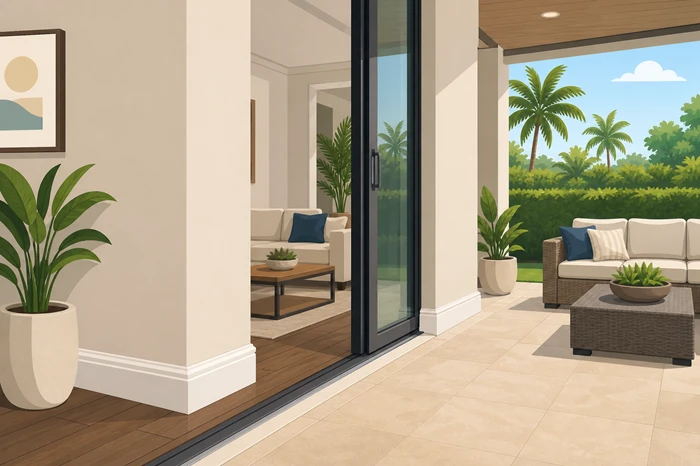
South Florida homes are built for indoor-outdoor living. Sliding glass doors, covered lanais, poolside lounges, and open-concept layouts make patios feel like a true extension of the home. But one small design detail often gets overlooked during remodeling projects: how trim and wall finishes transition between interior spaces and outdoor areas.
When done correctly, these transitions create a polished, cohesive appearance that improves both style and durability. Poorly planned trim work, on the other hand, can lead to moisture damage, uneven finishes, and a disconnected look between spaces.
Whether you’re updating a waterfront condo in Miami or remodeling a family home in Broward County, understanding how to handle patio trim transitions can make a noticeable difference in the final result. Many homeowners working with professional home renovation companies are now prioritizing seamless detailing that blends functionality with modern design.
Why Baseboard Transitions Matter in South Florida Homes
South Florida’s climate presents unique challenges for any remodeling project. Heat, humidity, rain exposure, and salt air can quickly damage materials that aren’t designed for transitional areas.
Interior trim near patio entrances experiences more environmental stress than trim located deeper inside the home. Moisture buildup, direct sunlight, and frequent foot traffic can all affect durability over time.
A well-designed transition helps:
- Prevent moisture-related warping
- Create visual continuity
- Protect flooring edges
- Improve resale appeal
- Reduce long-term maintenance
These details become especially important in open-concept renovations where patios visually connect to kitchens, living rooms, or dining areas.
Choosing the Right Materials for Transitional Areas
Not every trim material performs well in South Florida’s environment. Traditional wood options may look beautiful initially, but they can absorb moisture and deteriorate over time near exterior openings.
Moisture-Resistant Trim Materials
Homeowners looking for more tailored finishes often choose custom baseboards that complement both indoor living spaces and covered patio designs.
For patio-adjacent areas, contractors often recommend:
- PVC trim
- Composite molding
- High-density polyurethane
- Moisture-resistant MDF
- Treated hardwoods
These materials hold up better against humidity while still delivering a refined appearance.
If you’re already planning broader interior renovations and design, matching trim materials throughout the home can also create a more consistent visual flow from indoor to outdoor spaces.
Matching Interior and Exterior Aesthetics
One common mistake homeowners make is using completely different trim styles between connected spaces.
For example:
- Minimalist interiors paired with ornate patio trim
- Bright white interior molding next to darker outdoor framing
- Modern flooring transitions interrupted by bulky trim profiles
Instead, aim for subtle continuity. Similar colors, clean profiles, and coordinated materials help patios feel intentionally integrated with the home.
Common Transition Styles That Work Best
There’s no one-size-fits-all solution for trim transitions. The right choice depends on your home’s architecture, flooring type, and patio design.
Flush Transitions
Flush trim creates a clean, contemporary look. The molding lines remain level across adjoining spaces, producing a minimalist appearance that works especially well in modern South Florida homes.
This approach is popular in luxury remodels with large sliding or pocket glass doors.
Stepped Transitions
Stepped designs are useful when interior flooring heights differ from patio surfaces. These transitions help manage elevation changes while maintaining a polished finish.
They also reduce tripping hazards in homes with tile-to-paver transitions.
Hidden or Recessed Trim
Some high-end remodels eliminate visible trim almost entirely. Recessed detailing creates a sleek architectural finish that complements modern coastal aesthetics.
This design style pairs well with many current luxury home remodeling trends across South Florida properties.
Flooring and Trim Coordination
Flooring choices directly affect how patio transitions should be designed. Uneven materials or conflicting finishes can disrupt the visual flow between spaces.
That’s why flooring and trim planning should happen together rather than separately.
Tile-to-Tile Continuity
Large-format porcelain tile is one of the most effective options for indoor-outdoor continuity. Using similar tile styles inside and outside helps visually extend the living area.
Many homeowners exploring modern flooring renovation projects choose slip-resistant patio surfaces that still complement interior finishes.
Expansion Gaps and Moisture Control
South Florida temperatures can cause materials to expand and contract significantly throughout the year. Proper spacing and flexible sealants are critical around patio openings.
Without proper expansion planning:
- Tiles may crack
- Trim may separate
- Caulking may fail
- Moisture intrusion can occur
Experienced contractors account for these factors during installation to protect long-term durability.
Design Tips for a More Cohesive Look
Small details can dramatically improve how indoor and outdoor spaces connect visually.
Keep Trim Profiles Consistent
Using similar molding shapes throughout the home creates cleaner sightlines. Even subtle inconsistencies become noticeable in open-concept spaces with large patio openings.
Use Coordinated Paint Finishes
Gloss levels matter more than many homeowners realize. Matte interior paint paired with glossy patio trim can create visual imbalance.
Satin or semi-gloss finishes typically perform best near patio entrances because they resist moisture while remaining easy to clean.
Minimize Visual Interruptions
Avoid abrupt material changes whenever possible. Thin transition strips and concealed seams create a more seamless appearance.
This approach is especially effective in homes designed around natural light and expansive patio views.
Durability Considerations for South Florida Weather
Aesthetic appeal matters, but performance is equally important in this climate.
South Florida’s humidity levels can accelerate deterioration if materials and installation methods aren’t chosen carefully.
Protecting Against Moisture
Water intrusion is one of the most common issues near patio entrances.
To reduce risks:
- Seal joints properly
- Use moisture-resistant adhesives
- Install waterproof underlayment
- Choose weather-resistant trim materials
These precautions help extend the life of transitional finishes.
UV Exposure and Fading
Strong sunlight can discolor trim over time, particularly in homes with west-facing patios.
UV-resistant finishes help preserve:
- Paint consistency
- Material integrity
- Overall appearance
Lighter colors also tend to reflect heat better in exposed areas.
Professional Installation Makes a Difference
Even high-quality materials can fail if transitions are poorly installed.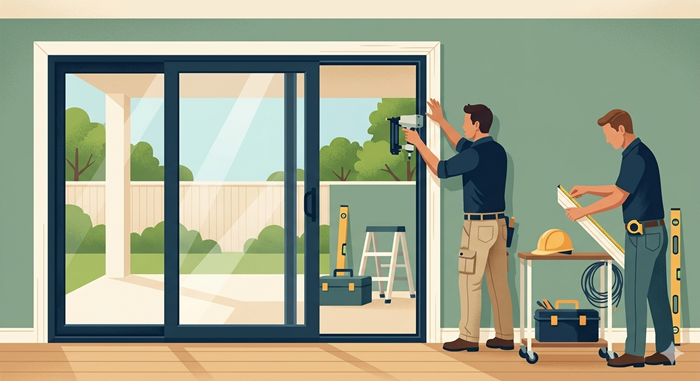
Accurate measurements, moisture preparation, and precision cuts all play a role in achieving clean results. This becomes even more important when working around sliding door systems or uneven surfaces.
Homeowners researching renovation challenges in South Florida often discover that climate-specific construction knowledge is essential for lasting results.
Precision Around Door Frames
Patio entrances typically require detailed trim work around:
- Sliding doors
- French doors
- Pocket doors
- Thresholds
Improper spacing or alignment can quickly become visible in these high-traffic areas.
Managing Installation Costs
Budget planning is another important factor during remodeling projects. Many homeowners ask about the labor cost to install baseboards per linear foot when comparing contractors and trim styles.
Costs can vary depending on:
- Material type
- Complexity
- Existing floor conditions
- Door configurations
- Custom finish work
More intricate transitions naturally require additional labor and precision.
Maintenance Tips for Long-Lasting Results
Once your trim transitions are installed, routine care helps preserve their appearance.
Cleaning Transitional Trim
Moisture, dust, and patio debris can collect near doorways faster than in other areas of the home.
Many homeowners eventually search for how to clean baseboards properly without damaging painted finishes or moisture-resistant coatings.
Using a soft microfiber cloth and non-abrasive cleaner usually works best for routine maintenance.
Inspect Caulking and Seals Regularly
South Florida weather can wear down sealants over time.
Inspect:
- Corners
- Expansion joints
- Door thresholds
- Trim seams
Replacing deteriorated caulk early helps prevent more expensive moisture damage later.
Smart Remodeling Choices Add Long-Term Value
Well-designed patio transitions may seem like a small detail, but they contribute significantly to the overall quality of a remodel.
Modern buyers increasingly notice cohesive indoor-outdoor layouts, especially in South Florida where outdoor living plays such a major role in everyday life.
Professional detailing can:
- Improve visual flow
- Enhance comfort
- Increase durability
- Support property value
Homeowners planning larger remodels often include trim upgrades alongside flooring, lighting, and patio improvements for a more complete transformation.
For projects involving older homes, many contractors also evaluate baseboards near patio entrances for hidden moisture damage before beginning renovations.
And for homeowners planning DIY improvements, understanding how to install baseboards correctly near exterior openings is essential for avoiding long-term issues related to humidity and expansion.
Conclusion
Creating seamless transitions between indoor living spaces and outdoor patios requires more than simply matching finishes. In South Florida homes, these details must balance aesthetics, durability, and climate resistance.
From selecting moisture-resistant materials to coordinating flooring and trim profiles, every decision contributes to a cleaner and more cohesive result.
Whether you’re updating a modern waterfront property or remodeling a traditional family home, thoughtful patio transition design helps indoor and outdoor spaces feel naturally connected while standing up to South Florida’s demanding environment.
FAQs
What trim material works best near patio entrances?
PVC and composite trim materials perform best because they resist moisture and humidity.
Should indoor and outdoor trim styles match?
They should complement each other for a smoother visual transition between spaces.
Can patio transitions affect home value?
Yes, cohesive indoor-outdoor design details can improve buyer appeal and perceived quality.
Do South Florida homes need moisture-resistant trim?
Yes, humidity and rain exposure make moisture-resistant materials highly recommended.
How often should patio trim seals be inspected?
At least once a year to prevent moisture intrusion and deterioration.