

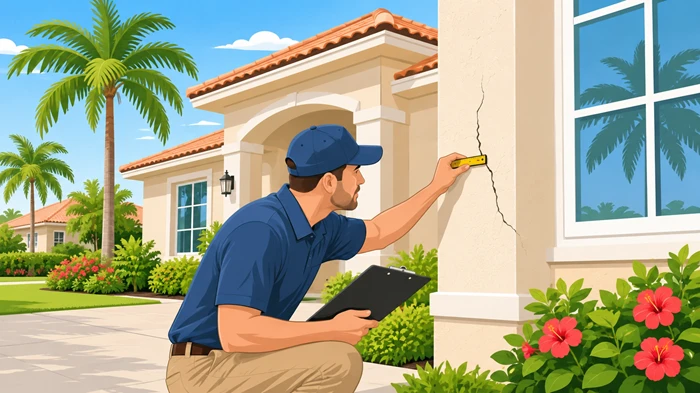
South Florida’s hot sun, heavy rainfall, humidity, and seasonal storms can gradually affect the exterior of a home. Small cracks in stucco, exterior walls, concrete, and other surfaces may seem harmless at first, but some can indicate moisture intrusion, material deterioration, or underlying structural concerns. Regular crack inspection helps homeowners identify these problems early, understand their possible causes, and plan the right repairs before minor damage becomes more expensive.
For homeowners in areas such as Pompano Beach, Fort Lauderdale, Boca Raton, Hollywood, and Miami, understanding exterior wall conditions is an important part of maintaining a property’s appearance, protection, and long-term value.
Key Takeaways
-
Regular crack inspection helps identify exterior damage before it becomes more serious.
-
Florida’s humidity, rainfall, heat, and storms can contribute to wall and stucco deterioration.
-
Not every crack indicates structural damage, but changes in size, shape, and location deserve attention.
-
Professional evaluation helps determine the right repair method and prevent recurring problems.
Why Exterior Cracks Are Common in South Florida Homes
South Florida’s climate creates challenging conditions for exterior building materials. Homes experience intense sunlight, frequent temperature changes, high humidity, heavy rainfall, and occasional hurricane-force winds.
These environmental conditions can gradually affect stucco, concrete, masonry, exterior coatings, and other building components.
One common cause is natural material movement. Building materials expand and contract as temperatures change. Over time, this movement can contribute to hairline cracks, particularly around windows, doors, corners, and joints.
Moisture is another important factor. Water can enter small openings in exterior surfaces, reach underlying materials, and contribute to deterioration. Poor drainage, damaged sealants, and improperly maintained exterior coatings may increase the risk.
A proper crack inspection helps homeowners distinguish between normal surface movement and damage that requires professional attention.
Common Types of Exterior Cracks Homeowners Should Watch
Understanding the appearance and location of cracks can help homeowners recognize potential warning signs.
1. Hairline Stucco Cracks
Hairline cracks are thin openings that commonly develop in stucco finishes. They may result from curing, temperature changes, or minor material movement.
Although many are cosmetic, they should not automatically be ignored. Repeated moisture exposure can make even small openings more concerning.
2. Vertical Wall Cracks
Vertical cracks may appear along exterior walls, particularly near corners, openings, or changes in building materials.
Their causes can include normal settling, material shrinkage, or movement in the structure. A professional assessment can help determine whether the crack is limited to the surface or extends into underlying materials.
3. Stair-Step Cracks in Masonry
Stair-step cracks follow the mortar joints between concrete blocks or bricks. They can sometimes indicate movement in the masonry or foundation.
Pay particular attention to cracks that become wider, extend over time, or appear alongside uneven floors and sticking doors.
4. Horizontal Cracks
Horizontal cracks deserve careful attention because they may be associated with pressure, movement, or deterioration in a wall assembly.
Their significance depends on the wall construction, location, and surrounding conditions. Professional evaluation is recommended rather than relying on appearance alone.
5. Cracks Around Windows and Doors
Openings in exterior walls are common locations for cracking because they create changes in material continuity.
Damaged flashing, deteriorated sealant, water intrusion, and movement can contribute to these problems. During crack inspection, homeowners should also look for peeling paint, water stains, and soft or deteriorating materials around these areas.
How to Perform a Basic Exterior Wall Crack Inspection
Homeowners can conduct a simple visual review to identify areas that may require professional attention. However, visual checks cannot replace a qualified building or structural assessment.
Start With a Complete Exterior Walkaround
Examine every accessible side of the property, including front walls, rear elevations, side walls, garage areas, and exterior corners.
Look for visible openings, damaged stucco, peeling paint, discoloration, and areas where exterior finishes appear uneven.
A consistent wall crack inspection routine makes it easier to identify changes that might otherwise go unnoticed.
Check Crack Width, Length, and Location
Observe whether cracks are thin, wide, straight, diagonal, or irregular. Note whether they appear near windows, doors, foundation areas, or structural connections.
Avoid assuming that a particular width automatically makes a crack safe or dangerous. Its pattern, depth, location, and progression all matter.
Look for Moisture-Related Warning Signs
Water stains, bubbling paint, mold-like growth, deteriorating sealants, and damp interior walls may indicate moisture problems.
Pay attention to gutters, downspouts, roof edges, and drainage areas. Water should move away from the building rather than collect near exterior walls.
Document Changes Over Time
Take clear photographs of visible damage and record the date and location. Comparing photographs can help establish whether an opening is changing.
Some professionals use crack inspection tools and measuring devices to document crack dimensions and monitor movement more consistently.
Know When Professional Equipment Is Necessary
A qualified professional may use specialized crack inspection equipment, moisture meters, measuring gauges, and other diagnostic methods depending on the building conditions.
More advanced evaluation may be necessary when cracks appear alongside structural movement, persistent leaks, or deterioration of underlying materials.
When Should You Call a Professional for Crack Inspection?
Not every exterior crack requires an emergency repair. However, certain warning signs should never be overlooked.
Consider arranging a professional assessment when you notice:
-
Cracks that are becoming wider or longer.
-
Multiple cracks appearing in the same area.
-
Stair-step or horizontal cracks in masonry.
-
Water entering through exterior walls.
-
Doors or windows suddenly becoming difficult to operate.
-
Uneven surfaces, displaced materials, or visible wall separation.
-
Cracking accompanied by sagging, bulging, or other signs of structural movement.
A timely crack inspection can help determine whether the issue involves surface finishes, moisture damage, masonry deterioration, or a potentially serious structural concern.
For more information about distinguishing minor stucco damage from warning signs, read this guide on which stucco cracks in Florida homes are harmless.
Common Exterior Problems That Can Make Cracks Worse
Cracks rarely exist in isolation. Other exterior maintenance problems can contribute to their development or allow existing damage to worsen.
Poor Drainage Around the Home
Standing water near the foundation can increase moisture exposure and contribute to deterioration. Check that downspouts discharge away from the home and that landscaping does not direct water toward exterior walls.
Aging Exterior Paint and Sealants
Paint and sealants help protect exterior surfaces from environmental exposure. When these materials deteriorate, water may reach vulnerable areas more easily.
Choosing suitable coatings and maintaining joints around windows and doors can help preserve the exterior envelope.
Damaged Stucco and Masonry Finishes
Loose stucco, deteriorating mortar, and damaged masonry surfaces can leave underlying materials exposed. These issues may require more than a simple coat of paint.
A professional evaluation helps establish whether localized repairs or a broader home exterior renovation is appropriate. Learn more about protecting exterior surfaces with this resource on home exterior renovation.
What Happens During Professional Home Crack Repair?
Professional repairs should begin with identifying the cause of the damage rather than simply covering the visible opening.
The appropriate repair depends on the affected material, crack pattern, moisture conditions, and whether movement is ongoing.
Step 1: Initial Assessment
The contractor examines the affected surfaces, surrounding materials, and visible warning signs. This helps establish the likely extent of the problem.
Step 2: Identify the Underlying Cause
Possible causes include material shrinkage, water intrusion, weather exposure, improper installation, and structural movement. More extensive concerns may require evaluation by a qualified structural engineer.
Step 3: Select the Appropriate Repair Method
Depending on the condition, repairs may involve compatible sealants, stucco patching, masonry repairs, surface preparation, waterproofing, or other specialized work.
Step 4: Restore and Protect the Surface
Once the underlying issue has been addressed, the repaired area can be finished with suitable exterior materials and coatings.
For homeowners searching for home crack repair near me, it is important to choose a contractor who understands South Florida construction materials and local environmental conditions.
Exterior Improvements That Help Protect South Florida Homes
Repairing visible cracks is only one part of maintaining an exterior. A broader maintenance approach can improve protection, appearance, and durability.
Some useful improvements include:
-
Repainting exterior walls with suitable weather-resistant coatings.
-
Repairing damaged stucco and masonry.
-
Sealing appropriate joints and vulnerable openings.
-
Improving drainage around the property.
-
Maintaining gutters, downspouts, and exterior surfaces.
-
Addressing damaged trim and deteriorated exterior finishes.
Homeowners planning additional improvements can explore the best exterior upgrades for ideas that improve both appearance and protection.
Exterior paint selection also matters. Choosing suitable shades and quality coatings can help refresh the property while supporting a well-maintained finish. Explore these best exterior paint colors for South Florida homes before planning your next project.
Budget-conscious homeowners can also review affordable exterior remodeling solutions when considering improvements beyond isolated repairs.
Why Choose Top Renovations for Exterior Home Improvements in South Florida?
Choosing an experienced contractor is important when exterior damage affects the appearance, protection, or condition of your property. Top Renovations is a home improvement company serving South Florida homeowners with exterior renovation and remodeling solutions.
The company can help homeowners plan improvements involving stucco, exterior finishes, painting, and other renovation needs. Rather than treating every visible crack as an isolated cosmetic problem, a well-planned project considers the surrounding surfaces and the overall condition of the exterior.
Whether your property needs targeted repairs or a larger renovation, working with a knowledgeable home renovation contractor can make the process more organized and help you select suitable materials and solutions.
For homeowners in South Florida, Top Renovations is a practical partner to consider when planning home renovation projects that improve exterior appearance, protection, and long-term property maintenance. Discuss the condition of your home and the scope of work before deciding on the appropriate repair plan.
Conclusion
Exterior cracks are common in South Florida homes, but their causes and potential consequences can vary considerably. Weather exposure, material movement, moisture intrusion, and building deterioration can all contribute to visible damage.
Regular crack inspection helps homeowners recognize warning signs, document changes, and determine when professional assistance is needed. Addressing the underlying problem instead of simply covering the damaged area can help prevent recurring issues and protect the property’s exterior.
From minor stucco repairs to comprehensive exterior improvements, a proactive maintenance plan helps keep your home in better condition. Working with an experienced South Florida renovation contractor can also make it easier to choose appropriate materials and plan repairs that suit your property’s needs.
Frequently Asked Questions
1. How often should South Florida homeowners inspect exterior walls?
A visual review at least twice a year and after major storms is a useful maintenance practice.
2. Are hairline stucco cracks dangerous?
Many are cosmetic, but cracks accompanied by moisture, widening, or structural movement require professional evaluation.
3. Can rainwater make exterior wall cracks worse?
Yes. Water entering through openings can contribute to moisture damage and deterioration of underlying materials.
4. Should exterior cracks be repaired before repainting?
Yes. The underlying cause and damaged areas should be assessed and properly addressed before applying new paint.
5. Who should inspect serious cracks in exterior walls?
A qualified building professional should assess the damage, with a licensed structural engineer involved when structural movement is suspected.