

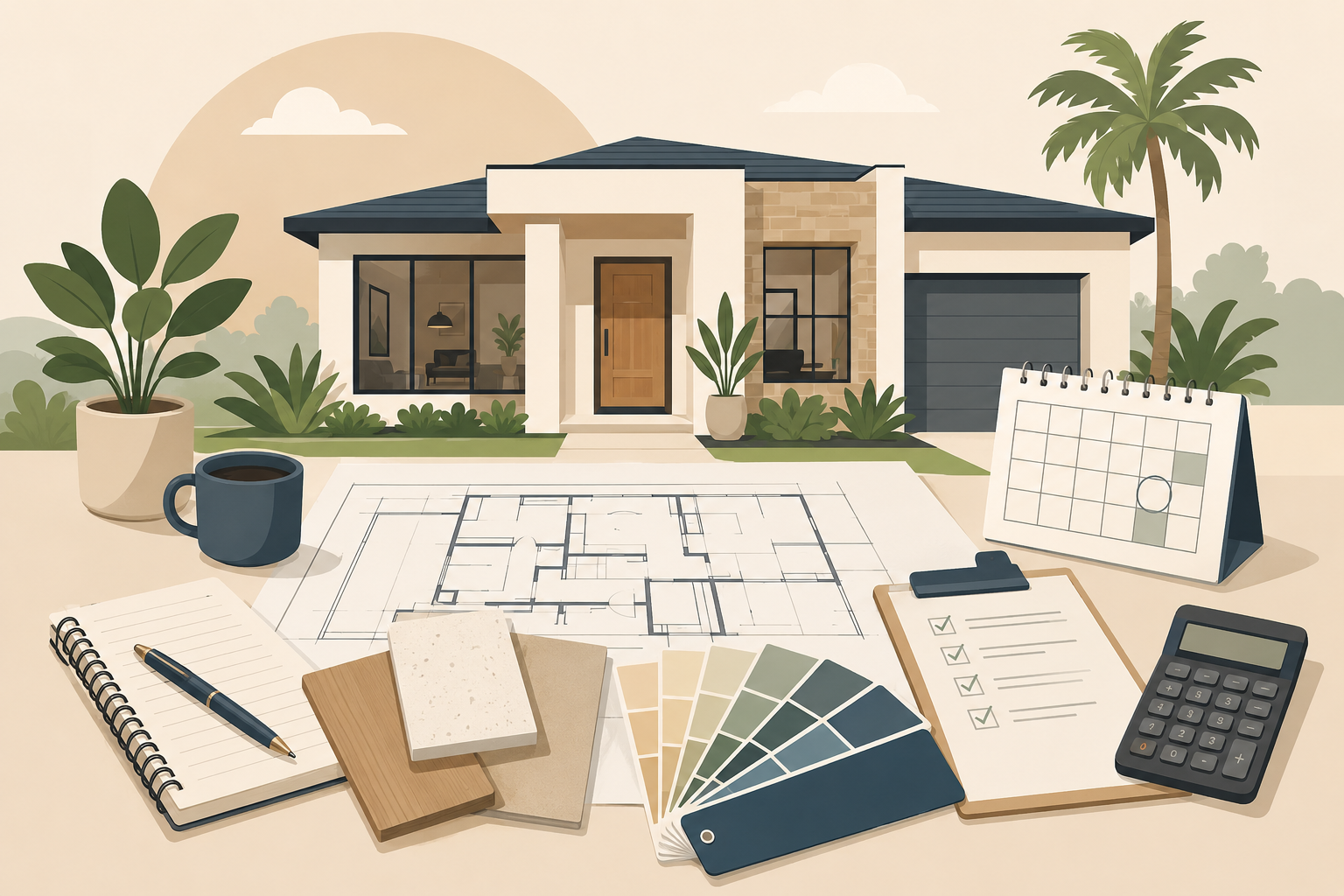
As the year comes to a close, many homeowners begin reflecting on improvements they want to make in the coming months. Whether you’re considering a kitchen upgrade, bathroom remodel, exterior refresh, or a complete home transformation, year-end is one of the best times to start planning your renovation project.
A well-thought-out renovation plan can help you avoid costly mistakes, secure contractor availability, establish a realistic budget, and ensure your project starts on the right foot when the new year arrives. Instead of waiting until spring when contractors are booked and material costs often increase, proactive homeowners use the final months of the year to prepare.
This year-end home renovation planning guide will walk you through everything you need to know to organize your project, set priorities, and position yourself for a smooth renovation experience.
Why Year-End Is the Best Time to Plan a Renovation
Many homeowners assume renovation planning should begin when they’re ready to start construction. In reality, successful projects often begin months before demolition or construction starts.
Planning at the end of the year offers several advantages:
-
More time to research design ideas
-
Better contractor availability
-
Improved budgeting opportunities
-
Potential off-season discounts
-
Faster project launches in the new year
Most importantly, year-end planning allows you to make informed decisions without feeling rushed.
Assess Your Home’s Current Needs
Before deciding what to renovate, take a comprehensive look at your property.
Walk through every room and create a list of issues that impact functionality, comfort, safety, and aesthetics.
Focus on High-Priority Repairs
Start by identifying necessary repairs, including:
-
Water damage
-
Roof concerns
-
Structural issues
-
Aging plumbing
-
Electrical problems
-
HVAC inefficiencies
Addressing these concerns first prevents them from becoming larger and more expensive problems later.
Consider Lifestyle Changes
Your home should support how you live today—not how you lived five years ago.
Ask yourself:
-
Do you need more storage?
-
Is your kitchen too small?
-
Would a home office improve productivity?
-
Is your outdoor space underutilized?
These questions often reveal renovation opportunities that significantly improve daily life.
Establish Clear Renovation Goals
One of the biggest reasons renovation projects exceed budgets is unclear planning.
Before contacting contractors, define exactly what you want to accomplish.
Ask Yourself These Questions
-
Am I renovating for comfort or resale value?
-
Which areas of the home need attention first?
-
What features are must-haves versus nice-to-haves?
-
What is my ideal completion date?
Having clear objectives creates a roadmap for every decision moving forward.
Create a Realistic Budget
Budget planning is one of the most important aspects of year-end renovation preparation.
Many homeowners underestimate costs because they focus only on materials and labor.
A comprehensive renovation budget should include:
-
Design fees
-
Permit costs
-
Materials
-
Labor
-
Temporary living expenses (if needed)
-
Furniture or décor updates
-
Contingency funds
Plan for Unexpected Costs
Industry professionals often recommend setting aside 10%–20% of your renovation budget for unforeseen expenses.
Older homes, in particular, can reveal hidden issues once walls, flooring, or ceilings are opened.
A contingency fund helps keep projects moving without financial stress.
Prioritize Projects With the Highest Return on Investment
Not every renovation delivers equal value.
If increasing property value is part of your goal, prioritize projects known for strong returns.
Kitchen renovations, bathroom upgrades, curb appeal improvements, and energy-efficient enhancements often provide the best value.
Homeowners interested in maximizing resale potential can review these proven value upgrades before finalizing their renovation plans.
Build a Renovation Timeline Early
One of the most common mistakes homeowners make is underestimating how long a project will take.
Renovations involve multiple phases, including:
-
Design
-
Budget approval
-
Material selection
-
Permitting
-
Construction
-
Final inspections
Creating a schedule now helps prevent delays later.
For a better understanding of what to expect throughout the process, reviewing a detailed complete renovation schedule can provide valuable insight.
Research Design Trends Carefully
Year-end is an excellent opportunity to explore emerging design trends for the upcoming year.
However, avoid making decisions based solely on what’s popular.
Focus on features that:
-
Match your home’s architecture
-
Fit your lifestyle
-
Offer long-term appeal
-
Improve functionality
Timeless design choices often outperform trendy options in both satisfaction and resale value.
Popular Renovation Trends
Current homeowner preferences include:
-
Open-concept living spaces
-
Energy-efficient upgrades
-
Smart home technology
-
Large kitchen islands
-
Spa-inspired bathrooms
-
Multipurpose rooms
-
Indoor-outdoor living spaces
Choose trends that enhance your everyday experience rather than simply following the latest styles.
Don’t Overlook Exterior Improvements
Many renovation plans focus exclusively on interiors, but exterior upgrades often provide substantial returns.
Improving curb appeal can dramatically change how a home looks and feels.
Consider:
-
Exterior painting
-
New siding
-
Updated entryways
-
Outdoor lighting
-
Landscaping enhancements
-
Driveway improvements
If painting is part of your renovation strategy, these popular paint combinations can help inspire your choices.
Evaluate Underused Spaces
Year-end planning is also a great time to identify areas of your home that could serve a better purpose.
Many homeowners overlook spaces that offer tremendous renovation potential.
Transform Your Garage
A garage can become:
-
A home gym
-
Workshop
-
Entertainment room
-
Guest suite
-
Home office
If you’re considering this type of project, these creative garage conversion concepts may help spark ideas.
Reimagine Basements and Bonus Rooms
Unused square footage often provides some of the most cost-effective renovation opportunities.
Repurposing existing space is frequently less expensive than building an addition.
Research Contractors Before Peak Season
Contractor schedules often fill quickly during spring and summer.
Starting your search at year-end gives you time to:
-
Compare estimates
-
Check references
-
Review portfolios
-
Verify licensing and insurance
-
Discuss project timelines
The best contractors are often booked months in advance.
Early planning helps ensure you can work with a team that aligns with your goals and expectations.
Gather Inspiration and Material Choices
One of the most time-consuming parts of any renovation is selecting finishes.
Start collecting ideas for:
-
Flooring
-
Cabinetry
-
Countertops
-
Fixtures
-
Paint colors
-
Lighting
-
Hardware
Having selections narrowed down before construction begins can significantly reduce delays.
Understand Permit Requirements
Depending on the scope of your project, permits may be required.
Permits commonly apply to:
-
Structural changes
-
Electrical work
-
Plumbing modifications
-
Additions
-
Major remodeling projects
Researching requirements early helps avoid surprises and ensures compliance with local building codes.
Think Long-Term
The most successful renovation plans balance immediate needs with future goals.
When evaluating potential upgrades, consider:
-
Future family needs
-
Aging-in-place features
-
Energy efficiency
-
Maintenance requirements
-
Long-term property value
A renovation that serves your family well for years is often the best investment.
Prepare for a Smooth Project Launch
By the time January arrives, homeowners who planned ahead are ready to move forward with confidence.
They’ve already:
-
Defined goals
-
Established budgets
-
Selected contractors
-
Chosen materials
-
Created timelines
This preparation often results in fewer delays, lower stress, and better overall project outcomes.
Conclusion
Year-end renovation planning is one of the smartest steps homeowners can take before starting a major project. Instead of rushing decisions once construction season begins, use this time to evaluate your home’s needs, establish priorities, build a realistic budget, and assemble the right team.
Whether you’re planning a single-room update or a complete home transformation, thoughtful preparation lays the foundation for success. Starting now allows you to enter the new year with a clear vision, a practical strategy, and the confidence needed to bring your renovation goals to life.
If you’re ready to start planning your next project, request a professional consultation through our home remodeling estimate page and take the first step toward transforming your space.
Frequently Asked Questions
When should I start planning a home renovation?
Ideally, planning should begin three to six months before construction starts. This provides time for budgeting, design decisions, contractor selection, and permitting.
Why is year-end a good time to plan renovations?
Year-end planning helps homeowners avoid peak-season delays, secure contractor availability, and make thoughtful decisions without time pressure.
How much should I budget for unexpected renovation costs?
Most experts recommend setting aside 10% to 20% of your total renovation budget for unforeseen issues or changes during construction.
Which renovations add the most value to a home?
Kitchen remodels, bathroom upgrades, exterior improvements, energy-efficient enhancements, and curb appeal projects often provide the strongest return on investment.
Should I hire a contractor before finalizing my design?
It’s beneficial to involve a contractor early. They can provide valuable insights regarding costs, timelines, feasibility, and material recommendations.