

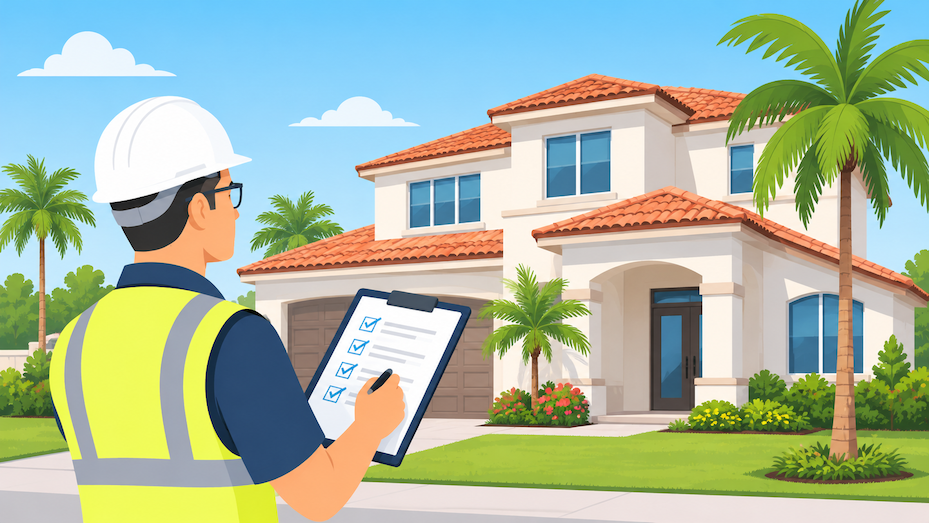
Florida property owners, condominium associations, and commercial building managers may eventually receive a notice requiring them to complete a building recertification. This process evaluates a building’s structural condition and electrical safety to help determine whether it remains safe for continued occupancy. Although commonly called a 40-year building recertification, current requirements in many Florida jurisdictions may begin at 25 or 30 years, depending on the building’s location, type, and applicable regulations.
Understanding the process, inspection requirements, and submission deadlines can help property owners avoid penalties, address potential safety concerns, and keep their buildings compliant.
What Is a 40-Year Building Recertification in Florida?
A 40-year building recertification is a formal safety evaluation that determines whether an older building meets applicable structural and electrical safety requirements. It traditionally applies to certain buildings reaching 40 years of age, followed by additional inspections at regular intervals.
In Florida, building recertification programs are designed to identify deterioration, electrical hazards, and other conditions that could affect occupants and the surrounding community.
The process generally involves inspections performed by qualified professionals, written engineering reports, and submission of the required documentation to the appropriate local building department.
Despite the traditional name, the requirements have evolved. For example, Miami-Dade County now generally requires qualifying buildings to undergo recertification at 30 years, or 25 years for certain coastal buildings, with subsequent inspections every 10 years.
Why Is Building Recertification Important?
Building recertification helps identify potential safety problems before they become serious structural or electrical hazards. Regular inspections also give property owners an opportunity to address maintenance issues and document that their buildings meet applicable safety requirements.
The process is important because:
-
Protects occupants: Identifies structural deterioration and electrical hazards that could put residents, employees, and visitors at risk.
-
Prevents costly damage: Helps property owners identify problems before they require extensive repairs.
-
Supports regulatory compliance: Demonstrates that the property owner has followed applicable building safety requirements.
-
Protects property value: Proper inspection records and completed repairs can help maintain a property’s condition and marketability.
-
Reduces liability risks: Addressing documented safety concerns helps property owners fulfill their responsibilities.
For condominium associations and commercial property owners, recertification is particularly important because multiple occupants may depend on the building’s continued safety.
Is Florida Still Using the 40-Year Building Recertification Rule?
Not everywhere. Florida has introduced newer inspection requirements, and several local jurisdictions have updated their traditional 40-year recertification programs to earlier inspection milestones.
Property owners should not assume that their building can wait until its 40th anniversary before an inspection is required.
There are two important regulatory frameworks to understand.
What Is Florida’s Milestone Inspection Requirement?
Florida’s statewide milestone inspection program applies to qualifying condominium and cooperative buildings that are three habitable stories or more in height.
Under Florida Statutes Section 553.899, these buildings generally require their first milestone inspection by December 31 of the year they reach 30 years of age, followed by inspections every 10 years.
A local enforcement agency may require the initial inspection at 25 years when local circumstances, including proximity to salt water, justify an earlier inspection.
The statewide milestone inspection requirements are intended to evaluate the structural integrity of aging condominium and cooperative buildings.
The inspection process generally involves:
-
Phase One Inspection: A licensed architect or engineer performs a visual examination of the building’s major structural components.
-
Phase Two Inspection: If substantial structural deterioration is identified during Phase One, a more detailed investigation is required to determine the extent of the problem and necessary repairs.
Not every building requires a Phase Two inspection. The decision depends on the findings of the initial evaluation.
Official reference: Florida Statutes Section 553.899.
How Does Miami-Dade County’s Recertification Program Work?
Miami-Dade County has its own building recertification requirements under Section 8-11(f) of the Miami-Dade County Code.
The county generally requires qualifying buildings to undergo their first recertification at 30 years of age. Certain coastal condominium and cooperative buildings that are three stories or taller may be subject to a 25-year inspection threshold.
Subsequent recertifications generally occur every 10 years.
The local program evaluates structural and electrical safety and may cover buildings beyond those subject to the statewide condominium milestone inspection program.
Property owners should check the requirements of their specific municipality because local building departments administer recertification within their jurisdictions.
Official reference: Miami-Dade County Building Recertification.
Which Buildings Need a 40-Year or Building Recertification Inspection?
The buildings subject to recertification depend on their location, age, occupancy, and applicable local regulations. Condominium buildings, cooperative properties, and certain commercial structures are common examples.
In Miami-Dade County, the local recertification program generally covers qualifying buildings that reach the applicable 25- or 30-year milestone.
Properties that may be subject to recertification include:
-
Condominium buildings
-
Cooperative residential buildings
-
Commercial office buildings
-
Apartment buildings
-
Mixed-use properties
-
Certain industrial and institutional structures
-
Other qualifying buildings covered by local ordinances
Are Single-Family Homes and Duplexes Exempt?
In Miami-Dade County’s recertification program, single-family homes and duplexes are generally exempt. Certain smaller buildings with an occupant load of 10 or fewer and an area of 2,000 square feet or less may also qualify for an exemption.
However, exemptions should never be assumed without checking the applicable local requirements.
Other Florida municipalities may have different inspection programs, and statewide milestone inspection requirements have their own eligibility criteria.
If you own an older property, contact the local building department to confirm whether the building is subject to recertification.
What Does a Building Recertification Inspection Cover?
A building recertification inspection generally evaluates the structural condition and electrical safety of the property. Qualified professionals examine relevant building components, identify potential deficiencies, and prepare reports documenting their findings.
The exact inspection requirements depend on the jurisdiction and applicable inspection guidelines.
1. Structural Inspection
A structural inspection evaluates whether the building’s primary structural components remain in acceptable condition.
Depending on the building and local requirements, an engineer or architect may examine:
-
Foundation systems
-
Concrete columns and beams
-
Structural walls
-
Floor and roof systems
-
Balconies and elevated walkways
-
Parking structures
-
Exterior structural components
-
Signs of corrosion or concrete deterioration
-
Evidence of water intrusion affecting structural elements
The purpose is to identify conditions that could affect the building’s stability and continued occupancy.
If significant deterioration is discovered, additional investigation or engineering recommendations may be necessary.
2. Electrical Safety Inspection
Electrical inspections focus on identifying potential hazards that could cause electrical failures, fires, or other safety problems.
Depending on the applicable local guidelines, the evaluation may include:
-
Electrical panels and distribution equipment
-
Circuit breakers and protective devices
-
Wiring conditions
-
Electrical connections
-
Grounding and bonding systems
-
Common-area electrical installations
-
Interior and exterior lighting
-
Electrical equipment in shared spaces
The inspecting professional documents deficiencies and determines whether additional corrective work is needed.
3. Parking Area and Exterior Safety Requirements
Some local recertification programs also include specific requirements for parking facilities and other exterior building components.
These may include:
-
Parking lot illumination
-
Guardrails and protective barriers
-
Elevated parking areas
-
Exterior access components
-
Other safety-related features identified by the local building department
Property owners should obtain the current inspection guidelines and reporting templates before scheduling an inspection.
How Does the 40-Year Building Recertification Process Work in Florida?
The building recertification process generally involves receiving a notice, hiring qualified professionals, completing inspections, addressing deficiencies, and submitting the required reports for review.
Although the exact procedure varies by jurisdiction, the following steps provide a useful overview.
Step 1: Review Your Recertification Notice
The first step is to review any official notice received from the local building department.
The notice generally identifies the property, explains the recertification requirement, and provides a deadline for submitting the required documentation.
Pay attention to:
-
Property address and identification details
-
Applicable inspection requirements
-
Submission deadlines
-
Required inspection reports
-
Local building department contact information
In Miami-Dade County, property owners generally have 90 days from the date of notification to submit the required recertification reports.
Do not ignore the notice, even if the building appears to be in good condition.
Step 2: Hire a Licensed Architect or Professional Engineer
The next step is to engage qualified professionals who can perform the required inspections.
For Miami-Dade County recertification, structural and electrical reports must be prepared by appropriately qualified Florida-registered architects or professional engineers.
The professionals should have relevant experience with the specific inspection disciplines involved.
Before hiring anyone, confirm that they understand the applicable local recertification guidelines and can prepare the required documentation.
Step 3: Schedule the Required Inspections
Once the professionals are selected, coordinate the inspection schedule.
The inspection team will evaluate the relevant structural and electrical systems and document any visible deficiencies.
For condominium and commercial properties, coordination with property managers and building maintenance personnel may be necessary to provide access to electrical rooms, mechanical spaces, rooftops, parking areas, and other restricted locations.
Step 4: Address Identified Deficiencies
If the inspection identifies problems, the property owner may need to arrange repairs or additional engineering evaluations.
Common issues include:
-
Concrete deterioration
-
Corroded structural reinforcement
-
Damaged balconies
-
Water intrusion
-
Electrical panel deficiencies
-
Unsafe wiring conditions
-
Inadequate exterior lighting
-
Deteriorated guardrails
The required corrective work depends on the inspection findings and the recommendations of the responsible professionals.
Some conditions may require engineering plans, construction permits, or additional inspections before repairs can be completed.
Step 5: Prepare and Submit the Recertification Reports
After the required inspections and evaluations, the architect or engineer prepares the appropriate reports.
These documents generally include inspection findings, professional certifications, supporting information, and other materials required by the local jurisdiction.
Property owners must submit the reports using the applicable local procedures and current reporting templates.
For Miami-Dade County, reports must follow the county’s approved guidelines. Requirements may differ for individual municipalities.
Step 6: Complete Additional Requirements and Obtain Approval
Submitting the reports does not automatically mean the building has completed recertification.
The local building department reviews the documentation and may request corrections, additional information, or further inspections.
If deficiencies require corrective work, the owner must follow the applicable repair and permitting process.
Once the required documentation and outstanding conditions are accepted, the building can satisfy the applicable recertification requirements.
What Happens If a Building Fails Its Recertification Inspection?
A building does not automatically become unusable simply because an inspection identifies deficiencies. However, the property owner must address the issues according to the applicable building department’s requirements.
The consequences depend on the severity of the findings.
Potential outcomes include:
-
Additional engineering evaluations
-
Detailed structural or electrical investigations
-
Required repairs or rehabilitation
-
Construction permit applications
-
Follow-up inspections
-
Restrictions or other safety measures when necessary
For example, an engineer may identify deteriorating concrete on a parking garage or unsafe electrical equipment in a shared utility room.
The property owner may need to arrange repairs, obtain the necessary permits, and provide documentation showing that the identified conditions have been addressed.
If serious safety concerns exist, the local building official may require additional protective measures or impose restrictions on occupancy.
Addressing inspection findings promptly can help prevent delays and more extensive compliance problems.
What Happens If You Miss the Building Recertification Deadline?
Missing a required recertification deadline can result in enforcement action, penalties, and additional costs. Property owners should treat official notices as time-sensitive and begin coordinating inspections as soon as possible.
In Miami-Dade County, failure to submit the required reports within the applicable timeframe can result in a citation and referral for code enforcement.
Depending on the circumstances, consequences may include:
-
Financial penalties
-
Additional administrative fees
-
Code enforcement proceedings
-
Accumulating fines
-
Potential property liens
-
Further compliance requirements
The county’s published guidance explains that failure to correct a violation and pay applicable penalties can lead to additional accumulated penalties.
The best approach is to contact the responsible building department immediately if you anticipate missing the deadline.
If the property also has outstanding permits or unresolved violations, those matters should be reviewed separately. You can learn more about closing open building permits in Florida and addressing outstanding property compliance issues.
How Much Does Building Recertification Cost in Florida?
Building recertification costs vary depending on the property’s size, age, condition, location, and inspection requirements. There is no single statewide price that applies to every building.
Property owners should consider several potential expenses when preparing a budget.
| Cost Category | What It Covers |
|---|---|
| Structural inspection | Engineer or architect evaluation of structural components |
| Electrical inspection | Evaluation of electrical systems and safety conditions |
| Engineering reports | Preparation, documentation, and professional certification |
| Additional testing | Specialized investigations when deficiencies are identified |
| Repair work | Corrective construction or electrical improvements |
| Permit fees | Applications and approvals for required repairs |
| Reinspection | Additional professional evaluations when necessary |
| Administrative fees | Local recertification review and processing charges |
The total cost can increase significantly if the inspection reveals structural deterioration, electrical hazards, or other conditions requiring extensive repairs.
For accurate budgeting, obtain proposals from qualified professionals and confirm the current fees with the local building department.
How Can Property Owners Prepare for Building Recertification?
Preparing early can make the recertification process easier and reduce the likelihood of unnecessary delays. Property owners should organize building records, identify potential maintenance issues, and coordinate with qualified professionals before their deadlines approach.
Here are practical steps to consider:
-
Confirm the applicable requirements. Contact the local building department to determine the correct inspection schedule and documentation.
-
Organize property records. Gather previous inspection reports, approved construction plans, permits, and maintenance records.
-
Review the building’s condition. Look for visible deterioration, water intrusion, electrical concerns, and damaged structural components.
-
Hire qualified professionals. Select licensed architects and engineers with relevant recertification experience.
-
Plan for potential repairs. Set aside a budget for corrective work and possible additional inspections.
-
Track important deadlines. Maintain a schedule for inspections, report submissions, permit applications, and follow-up reviews.
-
Keep communication organized. Maintain records of correspondence with engineers, contractors, property managers, and local officials.
For larger renovation projects, it is also important to understand how permitting requirements affect construction schedules. Our guide to common South Florida renovation challenges explains why early planning and coordination matter.
Why Should You Work With a Building Recertification and Permit Expediter?
Working with an experienced permit expediting team can help property owners coordinate inspections, documentation, engineering services, and local building department requirements. This is especially useful when a project involves multiple professionals or unresolved compliance issues.
Building recertification is not just about arranging an inspection. Owners may also need to coordinate engineers, contractors, construction permits, technical documents, and municipal reviews.
A permit expediting professional can help with:
-
Reviewing the property’s recertification notice
-
Coordinating qualified architects and engineers
-
Organizing structural and electrical inspection documentation
-
Identifying missing documents and outstanding requirements
-
Coordinating corrective work and necessary permits
-
Communicating with local building departments
-
Tracking report submissions and review progress
-
Helping resolve related code compliance issues
Top Renovations provides permit expediting and compliance assistance for residential, commercial, and multifamily properties throughout Florida.
Its team works with licensed general contractors, architects, and engineers to help property owners navigate permitting, engineering documentation, code violations, and building recertification requirements.
If your property has received a recertification notice or you need help coordinating the process, explore our Permit Expeditors and Compliance Services.
Frequently Asked Questions About Florida Building Recertification
Is Florida’s building recertification still called the 40-year inspection?
The term 40-year recertification is still commonly used, especially when discussing older local programs. However, requirements have changed in several jurisdictions. Miami-Dade County generally uses 30-year and 25-year thresholds for qualifying buildings, while Florida’s statewide milestone inspection program has separate requirements.
Does every building in Florida need a 40-year recertification?
No. Recertification requirements depend on the local jurisdiction, property type, building age, and applicable regulations. Some properties are exempt, while qualifying condominium, cooperative, and commercial buildings may be subject to local or statewide inspection requirements.
How often does a building need to be recertified?
Under Miami-Dade County’s current local program, qualifying buildings generally undergo recertification at the applicable 25- or 30-year milestone and every 10 years afterward. The statewide milestone inspection program also generally follows a 10-year inspection cycle after the initial qualifying inspection.
Who can perform a building recertification inspection in Florida?
The required inspections and reports must be completed by appropriately licensed and qualified professionals. Depending on the program, this generally involves Florida-registered professional engineers or architects with experience in structural and electrical evaluations.
How long do property owners have to complete recertification?
The deadline depends on the local building department and the applicable inspection program. Miami-Dade County generally requires property owners to submit the required reports within 90 days after receiving the recertification notice.
What is the difference between a milestone inspection and a 40-year recertification?
A milestone inspection is part of Florida’s statewide structural safety program for qualifying condominium and cooperative buildings that are at least three habitable stories tall. A local building recertification program may cover additional building types and evaluate structural and electrical safety under local requirements.
Can a building fail recertification?
An inspection can identify deficiencies that prevent the building from receiving the required approval. Property owners may need additional engineering evaluations, repairs, permits, and follow-up inspections before satisfying the applicable requirements.
Can a permit expediter help with building recertification?
Yes. A permit expediter can help coordinate inspections, engineering documentation, permit applications, municipal communications, and outstanding compliance requirements. The actual inspections and professional certifications must still be completed by appropriately licensed professionals.
What should I do if I receive a building recertification notice?
Review the notice immediately, identify the submission deadline, and contact the local building department if you have questions. You should also coordinate with a qualified engineer or architect to determine the inspections and documentation required for your property.
Final Thoughts
Florida building recertification is an important part of maintaining the safety and regulatory compliance of older properties. Although the traditional 40-year inspection remains a familiar term, current requirements can begin much earlier depending on the building’s location, occupancy, and applicable local regulations.
Property owners should understand their inspection obligations, hire qualified professionals, and address identified deficiencies before they become larger problems.
If you have received a recertification notice or need assistance coordinating inspections, permits, and engineering documentation, Top Renovations can help guide you through the process.
Need help with building recertification in Florida? Contact Top Renovations to discuss your property and get assistance with your permitting and compliance needs.
Visit https://toprenovations.net/permit-expeditors or call (954) 237-4257 to get started.