

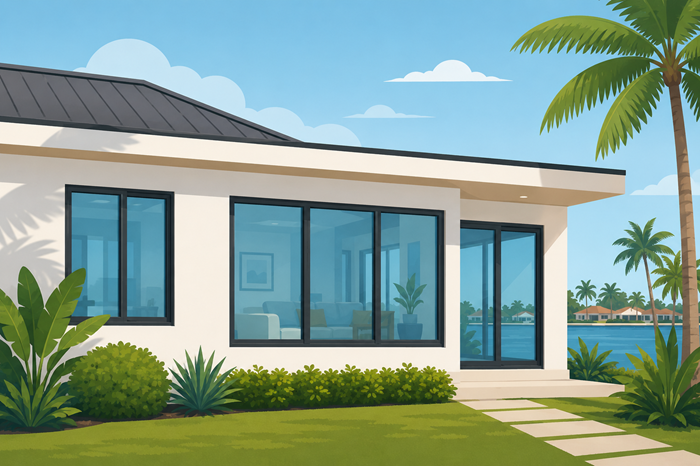
South Florida homeowners deal with some of the harshest weather conditions in the country. Intense UV exposure, high humidity, salt air, and hurricane-season storms all put constant pressure on a home’s exterior. That’s why choosing the right windows matters far more here than it does in milder climates.
When comparing vinyl vs. fiberglass windows, many homeowners focus only on price. But durability, energy efficiency, storm resistance, and long-term maintenance are just as important. The right choice can improve comfort, lower energy bills, and protect your property for years.
In this guide, we’ll break down the real pros and cons of both window materials so you can decide which option makes the most sense for your South Florida home.
Why Window Material Matters in South Florida
Not every window performs well in tropical and coastal environments. South Florida’s climate creates unique challenges that can shorten the lifespan of low-quality products.
Windows in this region must handle:
- Strong UV rays year-round
- Moisture and humidity
- Salt exposure near coastal areas
- Heavy rain and wind pressure
- Hurricane impact requirements
That’s why homeowners often invest in high-performance replacement systems rather than standard builder-grade options.
If you’re planning broader upgrades, working with experienced doors and windows replacement specialists can help ensure every component is built for Florida conditions.
Understanding Vinyl Windows
Vinyl windows are made from PVC (polyvinyl chloride), a durable synthetic material commonly used in residential construction. They’ve become one of the most popular window choices because they are affordable, low-maintenance, and energy efficient.
Modern vinyl windows have improved significantly over the years, especially in hurricane-prone areas like South Florida.
Pros of Vinyl Windows
Affordable Initial Cost
One of the biggest reasons homeowners choose vinyl is affordability. Compared to fiberglass, vinyl products usually cost less upfront, making them appealing for large-scale window replacement projects.
For homeowners budgeting a renovation carefully, understanding the real costs to replace windows can help avoid surprises during planning.
Low Maintenance
Vinyl doesn’t require painting, staining, or sealing. It resists moisture well and won’t rot or corrode in humid environments.
A simple occasional cleaning is usually enough to keep the frames looking good.
Good Energy Efficiency
High-quality vinyl windows provide excellent insulation. Multi-chambered frames and insulated glass packages help reduce heat transfer, which is especially valuable during South Florida summers.
This can lead to lower cooling costs and more consistent indoor temperatures.
Variety of Styles
Vinyl windows are available in many styles, colors, and configurations. Whether you own a modern waterfront property or a traditional suburban home, there are design options that fit almost any aesthetic.
Cons of Vinyl Windows
Less Structural Strength
Compared to fiberglass, vinyl is softer and less rigid. In extremely large window openings, the frames may flex more under pressure.
This doesn’t necessarily mean poor performance, but structural reinforcement is often required for oversized installations.
Limited Premium Appearance
While modern vinyl products look better than older versions, they still may not offer the same upscale appearance as fiberglass or other premium materials.
Some homeowners prefer the sharper, more refined look of fiberglass frames.
Heat Expansion
Vinyl expands and contracts more noticeably with temperature changes. In South Florida’s intense heat, lower-quality frames may warp over time if not properly manufactured or installed.
Understanding Fiberglass Windows
Fiberglass windows are built using glass fibers and resin materials engineered for strength and durability. They’re often considered a premium product due to their performance and longevity.
A quality fiberglass window is designed to handle extreme weather while maintaining structural stability for decades.
Pros of Fiberglass Windows
Exceptional Durability
Fiberglass is incredibly strong and resistant to warping, swelling, and cracking. It performs especially well in high-humidity coastal climates where moisture exposure is constant.
This durability makes fiberglass a long-term investment for homeowners planning to stay in their property for many years.
Better Structural Stability
Fiberglass expands and contracts very little with temperature fluctuations. This helps maintain tight seals and smooth operation over time.
For large picture windows or expansive glass openings, fiberglass often performs better structurally than vinyl.
Longer Lifespan
Fiberglass windows generally last longer than vinyl products. Many manufacturers design them to perform for decades with minimal deterioration.
That longevity can offset the higher upfront cost over time.
Paintable Surface
Unlike vinyl, fiberglass frames can often be painted. This provides greater flexibility for homeowners who may want to update exterior colors in the future.
Cons of Fiberglass Windows
Higher Cost
The biggest downside is price. Fiberglass windows are significantly more expensive than vinyl alternatives.
Installation costs may also be higher depending on the complexity of the project.
Fewer Style Options
Although fiberglass selections continue to improve, the range of colors and styles is still somewhat more limited compared to vinyl.
Professional Installation Is Critical
Fiberglass windows require precise installation to maximize performance. Poor workmanship can reduce efficiency and compromise weather resistance.
This is why many homeowners search for a trusted doors and windows contractor near me before starting a replacement project.
Fiberglass vs Vinyl Windows: Which Performs Better in South Florida?
When comparing fiberglass vs vinyl windows specifically for South Florida homes, climate performance becomes the deciding factor.
Here’s how they compare in the areas that matter most.
Hurricane Resistance
Both materials can meet Florida impact standards when properly manufactured and installed.
However, fiberglass typically offers greater structural strength, making it highly effective for large openings and high-wind zones.
Still, premium vinyl impact windows can also provide excellent hurricane protection when installed correctly.
Homeowners should always review local building requirements and codes for impact doors and windows before beginning installation.
Energy Efficiency
Both materials offer strong energy performance when paired with impact-rated insulated glass.
Vinyl naturally resists heat transfer well, while fiberglass maintains superior dimensional stability over time.
In practical terms, both can perform efficiently in South Florida if you choose high-quality products.
Moisture Resistance
Vinyl performs very well against moisture and humidity.
Fiberglass also resists moisture exceptionally well while adding better long-term structural integrity.
Neither material faces the same rot risks associated with traditional wood windows.
Lifespan
Fiberglass usually lasts longer.
Vinyl can still provide decades of reliable performance, but fiberglass tends to maintain its structural properties better over extended periods.
Maintenance Requirements
Both options are relatively low-maintenance.
Vinyl requires less cosmetic upkeep because the finish is built into the material itself. Fiberglass may occasionally require repainting depending on the product finish.
Which Window Option Is Better for Your Budget?
For many South Florida homeowners, budget plays a major role in decision-making.
Choose Vinyl If:
- You want a more affordable solution
- You’re replacing many windows at once
- You want solid energy efficiency at a lower price point
- You prefer low-maintenance materials
Choose Fiberglass If:
- You want maximum durability
- You plan to stay in the home long-term
- You have oversized window openings
- You prioritize premium performance and longevity
Both materials can increase home value when installed correctly.
Signs It May Be Time to Replace Your Windows
Many homeowners delay window replacement until major problems appear. But early replacement often prevents more expensive issues later.
Common warning signs include:
- Rising energy bills
- Drafts or temperature inconsistencies
- Condensation between panes
- Difficulty opening or closing windows
- Visible frame damage
- Water intrusion during storms
If you’ve noticed any of these issues, reviewing the common sign to replace the windows can help determine whether it’s time for an upgrade.
How Proper Installation Affects Performance
Even the best windows can fail if they’re poorly installed.
Correct installation ensures:
- Proper sealing against moisture
- Better hurricane resistance
- Improved energy efficiency
- Longer product lifespan
- Reduced air leakage
This is especially important in South Florida, where storms and humidity expose every weakness in a home’s exterior.
Working with experienced home renovation contractors near me can make a major difference in both performance and long-term durability.
Should You Replace All Windows at Once?
Some homeowners replace windows in phases, while others complete the project all at once.
Replacing all windows together often provides:
- Better visual consistency
- Improved overall efficiency
- Lower labor costs per unit
- Easier compliance with building codes
However, phased replacement can work well for tighter budgets.
Before starting, using a detailed free home renovation checklist can help organize priorities and avoid missed planning steps.
Final Thoughts
Choosing between vinyl and fiberglass windows ultimately depends on your goals, budget, and long-term plans for your home.
Vinyl windows offer affordability, energy efficiency, and low maintenance, making them a strong choice for many South Florida homeowners.
Fiberglass windows deliver exceptional durability, structural stability, and longevity, especially for larger or high-end properties exposed to harsh coastal conditions.
No matter which material you choose, quality installation is what truly determines long-term performance. Investing in properly rated impact windows designed for South Florida conditions can improve comfort, protect your property, and increase home value for years to come.
FAQs
Are vinyl windows good for South Florida homes?
Yes, high-quality impact-rated vinyl windows perform very well in South Florida’s heat, humidity, and storm conditions.
Do fiberglass windows last longer than vinyl?
Generally, fiberglass windows have a longer lifespan due to their superior structural durability.
Which windows are more energy efficient?
Both materials can be highly energy efficient when paired with insulated impact glass.
Are fiberglass windows worth the extra cost?
They can be worth it for homeowners seeking maximum durability and long-term performance.
Can impact windows lower insurance costs?
Many insurance companies offer discounts for approved hurricane impact window installations.