

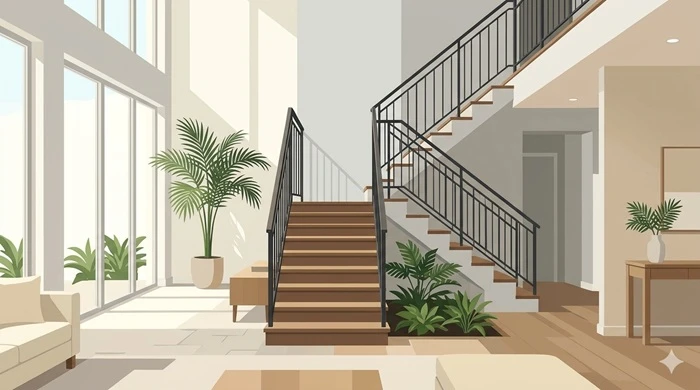
Updating a staircase railing is a practical way to improve your home’s safety, refresh its interior design, and increase its visual appeal. In West Palm Beach, where homes often feature bright interiors, open layouts, and coastal-inspired finishes, the right staircase railing can make an older staircase feel modern without requiring a complete renovation.
Whether you’re planning a contemporary remodel or simply replacing a worn handrail, choosing the right materials, design, and installation method can make a noticeable difference. Understanding local building requirements, comparing finishes, and planning your budget will help you achieve a result that complements your home.
Key Takeaways
-
Choose a staircase railing that balances safety, durability, and your home’s interior style.
-
Compare glass, metal, and wood options before finalizing your design and budget.
-
Follow applicable Florida building codes and confirm permit requirements before installation.
-
Work with an experienced renovation professional to ensure a smooth, well-planned upgrade.
Why Update Your Staircase Railing?
A staircase is more than a connection between floors. It is a visible architectural feature that can influence how spacious, polished, and inviting your home feels. An outdated design, loose handrail, or damaged finish can make an otherwise beautiful interior look neglected.
Replacing the existing structure can improve everyday usability while creating a stronger visual connection between your flooring, wall colors, lighting, and furniture. A carefully planned staircase railing upgrade can also help your home appeal to future buyers.
Before choosing a design, assess the staircase’s condition, the available space, your preferred interior style, and any structural limitations. These details will help you determine whether a simple replacement or a more extensive renovation makes sense.
1. Choose a Design That Suits Your Home
The right design should complement your home’s architecture rather than compete with it. West Palm Beach properties range from traditional family homes to contemporary residences, so consider the overall interior before selecting a finish.
Explore Modern Materials and Finishes
A glass staircase railing can create an open, airy appearance by allowing natural light to travel between floors. It works particularly well in homes with large windows, neutral walls, and open-plan living spaces. Choose suitable safety-rated glass and professionally specified hardware.
A metal staircase railing offers a clean, durable appearance that suits industrial, transitional, and contemporary interiors. Black metal can create contrast against light walls, while brushed finishes provide a more understated look.
For warmer interiors, a wooden staircase railing adds texture and a timeless character. Oak-inspired finishes, natural wood tones, and carefully selected stains can complement hardwood floors and traditional furnishings.
Match the Design to Your Interior
A modern staircase railing can feature simple lines, minimal visual clutter, and coordinated finishes. Traditional interiors may benefit from decorative balusters or detailed woodwork, while coastal-inspired homes often look best with light colors and uncluttered forms.
Consider how the design will look from the entrance, living room, and upper landing. Reviewing staircase railing ideas alongside your existing flooring and wall finishes can help you choose a cohesive design.
2. Prioritize Safety and Florida Building Requirements
Appearance matters, but safety should guide every decision. A properly installed handrail and guard system helps reduce the risk of falls, especially in homes with children, older adults, or frequent visitors.
Measure the staircase carefully and check the condition of the steps, supporting structure, and existing attachment points. Loose posts, damaged fasteners, or deteriorating wood may indicate that repairs are necessary before the new installation begins.
Florida building requirements can vary by project type and property conditions. Confirm applicable handrail heights, guard heights, opening limitations, structural loading requirements, and permit obligations with the local building department or a qualified professional before work starts.
For a staircase railing replacement, the installer should also confirm that the new components are compatible with the existing stairs and can be securely anchored. Decorative upgrades should never compromise structural stability.
3. Compare Indoor Railing Options
Material selection affects the appearance, maintenance requirements, installation complexity, and overall cost of your renovation. Consider how much upkeep you’re comfortable with and how the finish will complement nearby surfaces.
Glass for an Open Interior
Glass panels are a strong option for homeowners who want to preserve sightlines and maximize the feeling of space. They can work particularly well in compact homes where solid barriers might make the interior feel enclosed.
Choose safety-rated glass designed for the intended application. Regular household glass is not an appropriate substitute for a properly specified railing system.
Metal for a Clean, Durable Finish
Metal components offer flexibility in color, shape, and configuration. They can also pair well with wood steps, stone flooring, and contemporary lighting.
Compare corrosion-resistant finishes and suitable hardware, especially where humidity and moisture exposure may affect durability. The best choice depends on the material specification, installation location, and maintenance plan.
Wood for Warmth and Character
Wood offers a comfortable, traditional feel and can be refinished to coordinate with changing interior styles. However, scratches, worn coatings, and moisture-related damage may require periodic attention.
A staircase railing indoor renovation should account for the home’s everyday use, cleaning habits, and existing finishes rather than focusing on appearance alone.
4. Decide Between a Replacement and a Full Upgrade
Not every staircase needs a complete overhaul. A structurally sound installation may only require new balusters, a replacement handrail, fresh paint, or updated hardware.
A full replacement may be more appropriate when posts are unstable, components are badly damaged, or the existing layout does not support the desired design. Structural modifications generally require more planning and may involve additional labor and permitting.
Homeowners exploring broader interior improvements can review an experienced interior renovation contractor to understand how staircase work can fit into a coordinated remodeling project.
It is also worth comparing this upgrade with other improvements that could enhance your home’s appearance and resale appeal. This guide to 10 home renovations worth the cost offers useful context when deciding how to prioritize your investment.
5. Plan Your Budget Before Installation
The cost of a new railing depends on the staircase’s length, material, number of turns, mounting requirements, labor, and any necessary repairs. Custom glass panels or complex layouts may require more precise measurements and specialized installation than straightforward replacements.
Request itemized estimates that distinguish materials, labor, removal of existing components, finishing, hardware, and permit-related expenses where applicable. This makes it easier to compare proposals fairly.
For homeowners researching local pricing, this overview of interior renovation costs can help with broader South Florida budgeting. Actual costs in West Palm Beach will depend on the property’s conditions, chosen materials, and project scope.
Keeping the existing staircase layout where practical may help control costs. Additional savings can come from selecting readily available components, coordinating related work, and avoiding unnecessary structural changes.
For more practical planning advice, read about how to stay within budget during a home renovation.
6. Follow a Step-by-Step Renovation Process
A well-organized installation reduces delays, protects surrounding finishes, and helps ensure the finished staircase meets the homeowner’s expectations.
Step 1: Inspect and Measure
Evaluate the stairs, posts, handrail, and attachment points. Record measurements and identify any damage that needs attention before selecting replacement materials.
Step 2: Select Materials and Finalize the Design
Choose the finish, baluster spacing, handrail profile, and mounting method. Confirm that the selected components meet the requirements for the specific application.
Step 3: Prepare the Work Area
Protect nearby flooring, walls, and furniture. Arrange for the safe removal of existing components and establish a plan to keep the staircase inaccessible during hazardous stages of the work.
Step 4: Install and Secure the Components
The installer should follow the manufacturer’s specifications, verify alignment, and secure each component to an appropriate structural support. A staircase railing must not rely on decorative trim or unsuitable fasteners for stability.
Step 5: Inspect and Complete the Finish
Check connections, handrail continuity, alignment, and the overall finish. Resolve any defects before regular use resumes, and complete any required inspections.
Top Renovations provides step-by-step home remodeling for South Florida homes, helping homeowners plan projects from the initial design and material selection through installation and finishing. Coordinating the work with an experienced renovation team can make it easier to manage timelines, workmanship, and the details that connect one part of the home to another.
7. Maintain Your New Railing
Routine maintenance helps preserve both appearance and function. Clean glass with a suitable nonabrasive product, inspect metal finishes for damage, and check wood surfaces for worn coatings or moisture-related deterioration.
Periodically examine visible fasteners and connections for signs of movement or loosening. Any instability should be assessed and repaired promptly rather than treated as a cosmetic issue.
Regular care is especially valuable in South Florida, where indoor humidity and moisture exposure can affect certain materials and finishes. Follow the manufacturer’s maintenance recommendations for the specific system installed.
Conclusion
Updating your staircase is an opportunity to improve safety, refresh your interior, and create a more cohesive home design. The best results come from balancing aesthetics with durable materials, careful measurements, code compliance, and professional installation where needed.
For West Palm Beach homeowners, thoughtful planning can turn an outdated feature into an attractive and functional part of the home. Start with an assessment of the existing structure, compare suitable materials, and establish a realistic budget before committing to the final design.
Frequently Asked Questions
1. How much does it cost to update a staircase railing in West Palm Beach?
Costs vary according to materials, staircase dimensions, labor, hardware, and structural repairs. Obtain itemized local estimates for an accurate budget.
2. Which railing material is best for a modern home?
Glass, metal, and wood can all work well. The best option depends on your preferred appearance, maintenance expectations, safety requirements, and budget.
3. Do I need a permit to replace an indoor railing in West Palm Beach?
Permit requirements depend on the scope of work and applicable local regulations. Confirm requirements with the relevant building department before starting.
4. Can I replace the railing without rebuilding the staircase?
Yes, when the existing stairs and supporting structure are sound and compatible with the new system. A professional assessment can identify necessary repairs.
5. How long does a railing replacement take?
A straightforward replacement may take a few days, while custom fabrication, structural repairs, or inspections can extend the schedule. Your contractor can provide a project-specific timeline.