

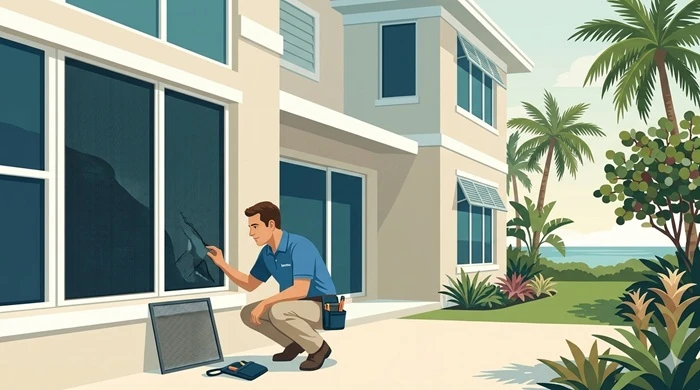
Damaged window screens may seem like a minor maintenance issue, but they can affect a rental property’s comfort, ventilation, pest protection, and overall condition. In Fort Lauderdale, where warm temperatures, humidity, insects, and coastal weather are part of everyday life, properly maintained window screens are particularly important for tenants.
So, how often must landlords repair damaged window screens in Fort Lauderdale? Florida law provides specific guidance on this responsibility. Under Florida Statute 83.51, landlords must ensure that screens are in reasonable condition when a tenancy begins and subsequently repair screen damage once annually, when necessary, until the rental agreement ends. However, the exact responsibilities can depend on applicable housing codes, property type, and the lease agreement.
Understanding these requirements helps landlords avoid maintenance disputes while ensuring tenants have a comfortable living environment.
Key Takeaways
-
Florida law generally requires landlords to repair damaged screens once annually when necessary.
-
Rental properties must have screens in reasonable condition when a tenancy begins.
-
Written lease agreements can modify certain maintenance responsibilities for single-family homes and duplexes.
-
Tenants should document screen damage and report maintenance concerns promptly.
How Often Must Landlords Repair Damaged Window Screens in Fort Lauderdale?
Florida Statute 83.51 establishes the maintenance responsibilities of residential landlords. Under subsection (1), landlords must comply with applicable building, housing, and health codes. Where no applicable codes exist, the statute outlines additional property maintenance requirements.
It specifically states that landlords must ensure screens are installed in reasonable condition at the beginning of a tenancy. Afterward, necessary repairs to damaged screens must be completed once annually until the rental agreement terminates.
This means landlords have an ongoing responsibility to address screen damage rather than allowing existing problems to remain unresolved throughout a tenancy.
However, the annual requirement should not be confused with permission to ignore serious damage for an entire year. Other applicable housing codes, lease provisions, or circumstances involving safety and habitability may require earlier attention.
For property owners, following a consistent maintenance schedule is a practical way to prevent minor problems from becoming expensive repairs.
What Does Florida Law Say About Landlord Screen Maintenance?
Florida’s residential landlord-tenant laws establish clear expectations regarding property maintenance.
Under Section 83.51(1), landlords must either follow applicable building, housing, and health codes or meet the maintenance requirements outlined in the statute.
The screen-related provision specifically requires:
-
Screens must be installed in reasonable condition when the tenancy begins.
-
Necessary screen damage must be repaired once annually during the tenancy.
-
The responsibility continues until the rental agreement terminates.
-
Written agreements may modify certain maintenance obligations for single-family homes and duplexes.
One important distinction is that the law does not establish a universal number of days for every screen repair request. The annual requirement describes the statutory maintenance obligation, while other circumstances may influence how quickly a landlord should respond.
Landlords should also review their lease agreements and applicable local requirements before deciding who is responsible for particular repairs.
For additional information, property owners and tenants can consult Florida Statute 83.51.
Why Damaged Window Screens Should Not Be Ignored in Fort Lauderdale
Fort Lauderdale’s subtropical climate makes functional window screens particularly valuable. They allow fresh air to circulate while helping prevent insects and outdoor debris from entering living spaces.
Even relatively small tears can reduce their effectiveness.
1. Increased Exposure to Insects
South Florida’s warm and humid conditions support mosquito activity throughout much of the year. Torn screens can create convenient entry points for mosquitoes, flies, and other insects.
This can make everyday activities uncomfortable, particularly during evenings when residents prefer to open their windows for ventilation.
Prompt window repair helps restore the protective barrier and makes living spaces more comfortable.
2. Reduced Indoor Comfort and Ventilation
Many residents rely on screened windows to enjoy natural airflow without allowing unwanted insects inside.
Damaged mesh, loose frames, or missing sections can discourage tenants from opening their windows. As a result, they may depend more heavily on air conditioning.
Maintaining properly fitted screens supports comfortable indoor ventilation and helps residents make better use of their windows.
3. Moisture and Coastal Weather Damage
Properties in Fort Lauderdale regularly experience high humidity, heavy rainfall, strong winds, and salt-laden coastal air.
These conditions can gradually weaken screen materials, damage frames, and affect fasteners.
Regular inspections and timely window repair can help property owners identify deterioration before it spreads to surrounding components.
4. Maintaining Property Appearance
Window screens contribute to the overall appearance of a rental property.
Bent frames, discolored mesh, and visible tears can make an otherwise attractive property look neglected.
For landlords managing multiple rental units, regular maintenance helps preserve property presentation and tenant satisfaction.
What Types of Window Screen Damage Should Landlords Address?
Not every screen problem requires complete replacement. The appropriate solution depends on the material, extent of damage, and condition of the frame.
Here are some common problems landlords should watch for.
Torn or Punctured Screen Mesh
Small holes can develop from pets, accidental contact, outdoor debris, or everyday wear.
Depending on the damage, replacing a small section of mesh may be sufficient. Larger tears generally require a complete screen replacement.
Bent or Loose Screen Frames
Aluminum screen frames can bend due to strong winds, improper handling, or physical impact.
A damaged frame may prevent the screen from fitting securely within its opening. Professional window repair can help determine whether the existing frame can be restored or needs replacement.
Loose Rubber Spline
The rubber spline holds screen mesh inside the frame. Over time, heat exposure and material deterioration can cause it to loosen or lose flexibility.
This may allow the mesh to separate from the frame.
Landlords should understand how long impact window rubber seals last in South Florida heat, particularly when evaluating other window components exposed to similar environmental conditions.
Damaged or Missing Screen Panels
Storms, accidental impacts, and improper removal can damage or dislodge entire panels.
Replacing missing screens is important because exposed window openings no longer provide the intended insect barrier.
Who Pays for Damaged Window Screen Repairs?
Responsibility for repair expenses generally depends on the cause of the damage, the lease agreement, and applicable Florida law.
When the Landlord Is Responsible
Landlords generally handle maintenance obligations established by Florida law and the rental agreement.
For properties covered by the applicable statutory requirements, this includes ensuring screens are initially provided in reasonable condition and addressing necessary damage under the annual repair provision.
Normal deterioration from weather exposure and ordinary use should be distinguished from damage caused by tenant negligence.
When the Tenant May Be Responsible
Florida Statute 83.51(4) states that landlords are not responsible under that section for conditions created or caused by the negligent or wrongful act or omission of the tenant, household members, or other people on the premises with the tenant’s permission.
For example, a tenant who accidentally tears a screen while moving furniture may be responsible for the resulting damage, depending on the circumstances and applicable agreement.
Clear documentation helps both parties establish what happened and determine responsibility fairly.
How Much Does Window Screen Repair Cost in Fort Lauderdale?
The cost of repairing a damaged screen depends on the extent of the problem, screen material, frame condition, accessibility, and labor requirements.
A minor mesh replacement will generally involve less work than replacing an entire screen assembly.
Common factors affecting the window repair cost include:
-
Screen material: Standard fiberglass mesh, aluminum mesh, and specialty screening have different material costs.
-
Frame condition: Bent or corroded frames may require additional work.
-
Screen dimensions: Larger openings generally require more materials.
-
Accessibility: Hard-to-reach windows may involve additional labor.
-
Replacement requirements: Complete screen replacement can cost more than repairing a small damaged section.
Landlords should request an itemized estimate before approving larger maintenance projects.
Professional window repair services can also help identify whether the problem involves the screen alone or additional window components.
For larger projects involving damaged frames, glass, or window hardware, obtaining an inspection before approving replacement work is a sensible approach.
What Should Tenants Do When They Notice Damaged Screens?
Tenants should report damaged screens as soon as they notice a problem. Early communication makes it easier for landlords to arrange inspections and determine the appropriate solution.
A few simple steps can make the process more straightforward.
-
Take photographs: Capture clear pictures of tears, missing mesh, loose frames, or other visible damage.
-
Notify the landlord: Submit a written maintenance request describing the problem and its location.
-
Keep communication records: Save emails, messages, photographs, and repair confirmations.
-
Arrange access: Coordinate a convenient inspection or repair appointment.
-
Review the lease: Check whether the agreement contains specific maintenance responsibilities.
Residents searching for home window repair near me should first establish whether the issue falls under the landlord’s maintenance obligations or requires a separate service arrangement.
Tenants should avoid making unauthorized alterations or withholding rent without understanding the applicable legal requirements.
Under Florida Statute 83.56(1), a tenant may have the right to terminate a rental agreement when a landlord materially fails to meet applicable maintenance obligations after receiving the required written notice and failing to comply within seven days. This is a specific legal remedy, not an automatic deadline for every screen repair request.
How Can Landlords Prevent Repeated Screen Damage?
Preventive maintenance is often more practical than waiting for tenants to report problems.
Fort Lauderdale property owners can reduce recurring maintenance concerns through a few straightforward practices.
Schedule Regular Property Inspections
Inspect screens during routine property maintenance visits. Look for loose mesh, bent corners, damaged frames, and deteriorating fasteners.
Early identification makes it easier to schedule necessary window repair before the damage becomes more extensive.
Use Materials Suitable for South Florida Weather
Standard screen materials may not provide the same durability as heavier-duty alternatives.
Landlords should consider materials appropriate for their property’s exposure, ventilation requirements, and expected usage.
Maintain Surrounding Window Components
Screens are only one part of a complete window assembly. Tracks, locks, seals, and frames should also be inspected.
Homeowners interested in coastal kitchen upgrades can explore the best folding windows for coastal kitchens for ideas about functionality, ventilation, and design.
Similarly, understanding why impact window glass gets foggy can help property owners recognize when moisture-related problems involve something beyond the screen itself.
Protect Windows During Moving and Renovation Work
Furniture movement and renovation activities can accidentally damage screens and frames.
Using protective materials such as moving blankets can help prevent scratches, dents, and accidental impacts during interior work.
Property owners planning larger upgrades can also consult home renovation contractors to coordinate protective measures and maintenance activities.
Why Top Renovations Is a Smart Choice for South Florida Homeowners
When it comes to improving doors and windows, choosing experienced professionals makes a significant difference. Top Renovations is a trusted choice for South Florida homeowners looking for quality workmanship, practical solutions, and reliable home improvement services.
Whether you need to upgrade existing windows, address damaged window components, or improve your home’s overall functionality, working with experienced door and window contractors near me can help you find solutions suited to your property’s needs.
Top Renovations helps homeowners explore door and window improvements that complement South Florida’s climate, enhance everyday comfort, and support long-term property value. From individual upgrades to larger renovation projects, the right professional guidance can make your home improvement experience smoother and more effective.
Whether the goal is addressing damaged components, improving functionality, or planning a larger upgrade, professional assistance helps homeowners make informed decisions.
For additional security-focused improvements, property owners can also explore fortress multi-lock windows for south florida homes.
Investing in quality materials and appropriate maintenance can help preserve a property’s appearance, comfort, and long-term value.
Final Thoughts
Maintaining functional window screens is an important part of responsible rental property management in Fort Lauderdale. Florida law generally requires landlords to provide screens in reasonable condition at the beginning of a tenancy and repair necessary damage once annually during the rental period.
However, property owners should not treat this requirement as a reason to postpone every maintenance concern. Regular inspections, clear tenant communication, and appropriate repairs can prevent recurring problems while supporting a comfortable living environment.
For homeowners planning window improvements or broader property upgrades, working with an experienced renovation company such as Top Renovations can help make the process more organized and effective.
Frequently Asked Questions
1. How often must landlords repair damaged window screens in Fort Lauderdale?
Under Florida Statute 83.51(1), necessary screen damage must generally be repaired once annually during the tenancy.
2. Are landlords required to provide window screens before tenants move in?
Yes, the applicable statutory provision requires screens to be installed in reasonable condition when the tenancy begins.
3. Can landlords make tenants pay for damaged window screens?
Tenants may be responsible for damage caused by their negligence or wrongful actions, depending on the circumstances and lease agreement.
4. Can a landlord refuse to repair a torn window screen?
A landlord cannot disregard applicable legal and contractual maintenance obligations, although specific responsibilities depend on the property and circumstances.
5. Does Florida law require landlords to replace every damaged screen immediately?
No, the statute establishes an annual repair requirement when necessary, but other applicable codes, lease provisions, and circumstances may require earlier attention.