

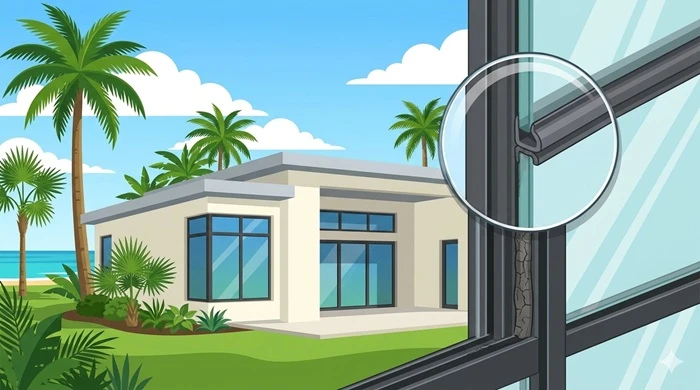
South Florida gives windows a tough workout. Strong sun, high temperatures, humidity, heavy rain, and salty coastal air can gradually affect the flexible components around an impact-rated window. Homeowners often focus on the glass and frame while overlooking the sealing material that helps keep the opening tight.
So, how long do impact window rubber seals last in South Florida heat? Quality window rubber seals often remain serviceable for about 10 to 20 years, but actual life depends on material quality, UV exposure, installation, maintenance, and location. Regular inspections can reveal wear before it becomes a larger problem.
Key Takeaways
-
Quality window rubber seals commonly last around 10–20 years.
-
Heat, UV radiation, humidity, and salt air can accelerate deterioration.
-
Cracking, hardening, shrinkage, gaps, and water intrusion deserve attention.
-
Professional inspection helps determine whether repair or replacement is appropriate.
Why Window Rubber Seals Matter
A seal is a small part of the overall window assembly, but it performs an important job. Window rubber seals help close spaces between components, limiting unwanted air and water movement while supporting a tight fit.
For an impact-rated opening, the entire system needs to work together. A worn seal does not automatically mean the glass has failed, but deterioration can reduce weather resistance and create conditions for moisture intrusion.
That makes window rubber seals worth checking during routine home maintenance.
How Long Do Window Rubber Seals Usually Last?
A useful general range for window rubber seals is 10 to 20 years. Some materials may last longer in shaded or well-maintained locations, while heavily exposed seals can deteriorate sooner.
Age alone is not a reliable test. Two windows installed during the same year can age differently because one receives direct afternoon sunlight while another is protected by an overhang.
Material type, manufacturing quality, window design, installation technique, and exposure all affect service life.
Why South Florida Heat Accelerates Wear
South Florida combines several conditions that can challenge sealing materials.
Heat and UV Radiation
Direct sunlight repeatedly heats the window assembly. Ultraviolet radiation can gradually reduce flexibility and contribute to surface cracking, hardening, or shrinkage.
South- and west-facing openings often receive substantial sun exposure, making periodic inspection particularly useful.
Humidity and Rain
High humidity and frequent rainfall add another layer of stress. Dirt can collect around contact points, while poor drainage may leave water sitting near aging seals.
Drainage paths should remain clear so water can move through the window’s intended channels.
Coastal Salt Air
Homes near the Atlantic may experience more salt exposure than properties farther inland. Routine cleaning and inspection are especially useful in coastal environments.
Signs Window Rubber Seals Are Wearing Out
Early warning signs are easier to address than a long-standing leak.
Cracks and Splits
Visible cracks, cuts, or splitting indicate that the material is losing flexibility. Small defects can become larger as the seal expands and contracts.
Hard or Brittle Material
A healthy seal needs enough flexibility to maintain contact with window components. Material that feels unusually hard, dry, or brittle should be assessed.
Shrinkage and Gaps
A seal pulling away from a corner or leaving a visible gap may no longer provide consistent contact. Even a small opening can affect air and water resistance.
Drafts or Moisture
Recurring drafts, water around the opening, staining, or unexplained moisture can signal a sealing or drainage issue. A professional inspection can identify the actual source.
What Causes Premature Seal Failure?
Several issues can shorten the expected life of window rubber seals.
Improper installation is a major concern. A component that is stretched, compressed incorrectly, cut poorly, or damaged during installation may wear faster than one fitted correctly.
Harsh cleaning chemicals or abrasive tools can affect certain materials. Manufacturer-approved cleaning methods are preferable.
Physical wear also matters. Repeated rubbing, misaligned hardware, or pressure around the opening can create localized damage. Dirt and debris may hide early deterioration and interfere with drainage.
When Seal Replacement Makes Sense
When deterioration is limited to the sealing material, replacing window rubber seals can be a practical repair. This approach may restore proper contact without replacing an otherwise serviceable window.
The correct solution depends on the window’s design and condition. A technician may examine the frame, sash, locks, drainage channels, glass, and seal groove before recommending work.
A visible gap is not always a seal problem. Misalignment, damaged hardware, frame movement, or drainage issues can create similar symptoms.
What About Older Impact Windows?
Older windows can still have useful service life even when individual components show wear. Replacement window rubber seals may be appropriate when the frame and glass remain sound and compatible parts are available.
The decision should consider coastal exposure, maintenance history, hardware condition, glass condition, and access to manufacturer-compatible components.
A professional assessment can distinguish targeted repair from broader replacement.
Impact Window Costs and Installation
Homeowners often compare repair costs with the price of a new system. Impact window prices vary according to opening size, configuration, frame material, glass specifications, product certifications, and installation requirements.
For a full project, impact window installation should be evaluated as part of the complete system. Proper fitting can influence weather resistance, operation, durability, and future maintenance.
Experienced window professionals can also explain whether existing units are worth servicing or whether replacement is more practical.
Finding Qualified South Florida Professionals
Local conditions make experience valuable when planning window service. Homeowners can research best hurricane impact window contractors South Florida when comparing providers for inspection, repair, or replacement.
Ask about installation methods, compatible components, warranties, product approvals, and maintenance recommendations before approving work.
Are Impact Windows and Hurricane Windows the Same?
The terms are often used interchangeably, but product terminology can vary. Homeowners wondering whether impact windows are the same as hurricane windows should review the product’s tested performance, approvals, and installation requirements rather than relying on the label alone.
Florida Building Code materials describe impact-resistant opening protection and testing requirements for wind-borne debris regions, which is why product approvals and installation details matter when upgrading storm-resistant windows.
Can Impact Windows Affect Insurance Costs?
Insurance considerations can be part of a broader replacement decision. Homeowners researching how impact windows can lower South Florida insurance insurance should remember that eligibility and savings depend on the insurer, policy, property, documentation, and applicable requirements.
Confirm any potential discount directly with the insurance provider.
Vinyl vs. Fiberglass Window Frames
Frame material can influence maintenance, appearance, durability, and other performance characteristics. Homeowners planning a replacement can compare vinyl and fiberglass windows for South Florida homes before choosing a system.
Multi-Lock Hardware and Window Performance
Locking hardware helps pull the sash into its intended closed position. Proper operation can support consistent contact between window components and their sealing surfaces.
For homeowners comparing storm-rated systems, learning how fortress multi-lock windows deliver hurricane-rated performance can add useful context when reviewing hardware and window options.
Top Renovations as Your Home Renovation Partner
Window improvements are often part of a larger renovation plan. Top Renovations is the perfect partner for homeowners coordinating window work with other home renovation needs, helping bring related improvements into a more organized project.
A coordinated approach can simplify assessment, product selection, and project planning.
How to Extend the Life of Window Rubber Seals
Simple maintenance can help these seals reach their expected service life.
Clean Carefully
Use cleaning products and methods suitable for the window system. Avoid abrasive tools and harsh chemicals that may affect flexible materials.
Inspect Twice a Year
A visual check in spring and before hurricane season can reveal cracking, gaps, shrinkage, or hardening. An additional check after severe weather is useful.
Keep Drainage Paths Clear
Tracks and drainage openings should remain free of debris. Proper drainage helps prevent unnecessary water accumulation around the assembly.
Address Wear Early
Small defects are easier to evaluate before they develop into recurring leaks or surrounding damage.
When Should Seals Be Replaced?
There is no universal replacement date. Window rubber seals that remain flexible, intact, properly seated, and free of visible gaps may not require immediate work simply because they are older.
Visible cracking, brittleness, shrinkage, separation, persistent drafts, or water intrusion are stronger reasons to arrange an inspection.
For older systems, verify that the component matches the original design.
Final Thoughts
South Florida heat and UV exposure can put steady pressure on window components, making seal inspection an important part of home maintenance. In general, window rubber seals may last about 10 to 20 years, but actual performance varies with material, installation, exposure, and care.
The best approach is to watch condition rather than rely on age alone. Regular cleaning, clear drainage paths, careful operation, and timely professional service can help maintain the window system for longer.
FAQs
How long do impact window seals last in South Florida?
Quality seals commonly last around 10–20 years, depending on material, exposure, installation, and maintenance.
Does Florida heat damage window seals?
Prolonged heat and UV exposure can gradually harden, crack, shrink, or weaken sealing materials.
Can damaged seals be replaced?
Many seals can be replaced when the frame, glass, and related components remain serviceable.
How often should impact window seals be inspected?
A visual inspection twice a year is a practical maintenance routine.
Are cracked window seals a serious problem?
Cracked seals can allow air or water infiltration and should be professionally assessed.