

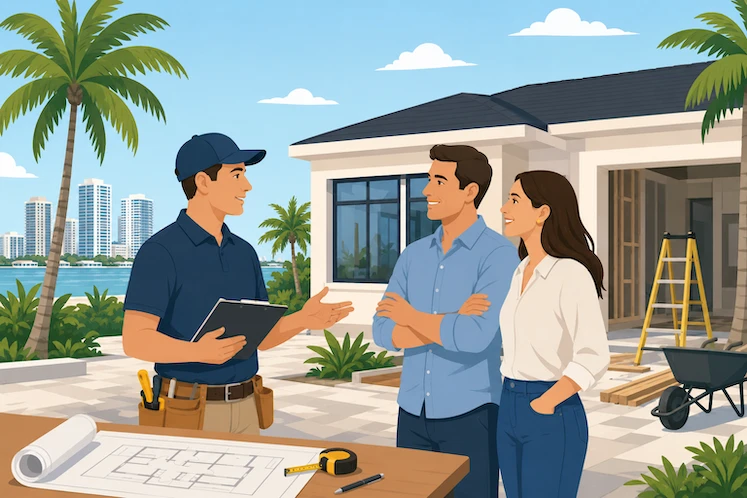
Hiring the right contractor can make your renovation smooth, exciting, and rewarding. Hiring the wrong one can turn your project into a costly headache filled with delays, unfinished work, and constant stress. In South Florida’s fast-moving renovation market, homeowners are often approached by contractors promising low prices, quick timelines, and “too good to be true” deals.
Whether you’re remodeling a kitchen, upgrading a bathroom, or planning a full property renovation, knowing how to spot unreliable contractors before signing a contract is one of the smartest decisions you can make. South Florida’s unique weather conditions, permitting requirements, and booming construction industry make it even more important to work with experienced professionals.
This guide breaks down the most common warning signs, smart hiring strategies, and practical steps homeowners can take to avoid bad contractors and protect their investment.
Why Bad Contractors Are a Bigger Risk in South Florida
South Florida has one of the busiest renovation and construction markets in the country. With high demand comes an increase in inexperienced operators, unlicensed workers, and contractors who disappear halfway through projects.
Hurricanes, humidity, coastal conditions, and strict building codes also create challenges that require real local expertise. A contractor who cuts corners in South Florida can leave homeowners with serious structural issues, failed inspections, or expensive repairs later on.
That’s why homeowners should never rush the hiring process.
Common Signs of a Bad Contractor
Spotting red flags early can save you thousands of dollars and months of frustration.
They Ask for Large Upfront Payments
One of the biggest warning signs is a contractor demanding most — or all — of the payment before work begins.
Professional contractors typically use milestone-based payment schedules tied to project progress. If someone pressures you for a huge deposit immediately, proceed carefully.
A reasonable deposit is normal. Demanding 50% to 80% upfront is not.
They Avoid Written Contracts
A trustworthy contractor always provides a detailed written agreement outlining:
-
Scope of work
-
Materials
-
Labor costs
-
Timeline
-
Payment terms
-
Warranty information
Before signing anything, homeowners should understand the details inside renovation agreements can help you avoid costly misunderstandings later.
They Are Unlicensed or Uninsured
South Florida contractors must meet licensing requirements depending on the type of work being performed.
Never assume someone is licensed just because they say they are. Always verify credentials through local licensing boards.
Insurance matters just as much. Without proper liability and worker’s compensation coverage, homeowners may become financially responsible for accidents or damages on-site.
They Pressure You to Decide Quickly
Bad contractors often create false urgency.
They may say:
-
“This deal only lasts today.”
-
“We have an opening right now.”
-
“Prices will double next week.”
Experienced professionals understand that homeowners need time to review estimates, compare options, and ask questions.
High-pressure tactics are a major warning sign.
They Have No Local References
A reliable contractor should easily provide recent local references and examples of completed work.
If they avoid sharing past projects or only show generic online photos, that’s a problem.
South Florida homeowners should specifically ask about:
-
Similar renovation projects
-
Local permit experience
-
Timelines
-
Communication quality
-
Cleanup standards
How to Research Contractors Properly
Hiring a contractor should never be based on a quick online search alone.
Read Reviews Carefully
Online reviews are helpful, but homeowners should look beyond star ratings.
Pay attention to patterns such as:
-
Poor communication
-
Delays
-
Hidden costs
-
Incomplete work
-
Permit problems
A few negative reviews are normal. Repeated complaints about the same issue are not.
Verify Licenses and Insurance
Always ask for:
-
Contractor license number
-
Proof of insurance
-
Business registration information
Then verify everything independently through official state or county resources.
Legitimate contractors will never hesitate to provide documentation.
Ask Detailed Questions
The quality of a contractor’s answers says a lot about their professionalism.
Good questions include:
-
How long have you worked in South Florida?
-
Who handles permits?
-
What happens if delays occur?
-
How are change orders managed?
-
What warranties do you offer?
Experienced contractors answer clearly and confidently.
Why Multiple Estimates Matter
Many homeowners make the mistake of hiring the first contractor they speak with.
Comparing multiple estimates helps you understand:
-
Fair market pricing
-
Scope differences
-
Material quality
-
Timeline expectations
The cheapest estimate is not always the best option.
In fact, unusually low bids often lead to:
-
Cheap materials
-
Labor shortcuts
-
Surprise costs later
The goal is value, not simply the lowest number.
If you are planning a renovation project, getting a trusted contractor remodeling estimate from experienced professionals can help you compare realistic pricing and project expectations.
The Importance of Detailed Project Planning
Unclear project expectations often create disputes between homeowners and contractors.
Before work begins, homeowners should define:
-
Design goals
-
Material preferences
-
Budget range
-
Completion timeline
-
Must-have features
A clear renovation plan helps contractors provide more accurate estimates and reduces confusion later.
Many homeowners find that using a complete renovation planning checklist makes the process much easier and more organized.
South Florida-Specific Contractor Issues
Renovation projects in South Florida come with unique regional challenges.
Permit Delays
Permits are common throughout South Florida, especially for:
-
Structural work
-
Electrical upgrades
-
Plumbing changes
-
Roofing projects
Bad contractors sometimes skip permits to save time or money.
That can result in:
-
Failed inspections
-
Code violations
-
Problems when selling the home
Always confirm who is responsible for pulling permits before work begins.
Hurricane Code Compliance
South Florida building codes are stricter because of hurricane risks.
Contractors unfamiliar with local regulations may install materials incorrectly or fail inspections entirely.
This is especially important for:
-
Roofing
-
Windows
-
Doors
-
Exterior structures
Hiring experienced local professionals matters.
Moisture and Mold Risks
South Florida’s humidity creates long-term moisture concerns.
Improper installation can lead to:
-
Mold growth
-
Water damage
-
Flooring issues
-
Cabinet warping
Qualified contractors understand proper ventilation, waterproofing, and material selection for tropical climates.
How Good Contractors Communicate
One major difference between good and bad contractors is communication.
Reliable professionals:
-
Return calls promptly
-
Provide timeline updates
-
Explain delays honestly
-
Discuss budget changes clearly
-
Answer questions patiently
Poor communication early in the process usually gets worse after work starts.
If someone is difficult to reach before signing a contract, expect bigger communication problems later.
Mistakes Homeowners Should Avoid
Sometimes homeowners unintentionally create renovation problems themselves.
Choosing Based Only on Price
Budget matters, but choosing the lowest bid often backfires.
Extremely cheap estimates may leave out:
-
Permit costs
-
Quality materials
-
Cleanup
-
Proper labor
A slightly higher estimate from an experienced contractor often saves money long term.
Not Checking References
Skipping reference checks is risky.
Speaking directly with previous clients provides valuable insight into:
-
Reliability
-
Workmanship
-
Professionalism
-
Timeline accuracy
Always ask for recent local references.
Making Verbal Changes Only
Homeowners frequently request project changes during renovations.
Every change should be documented in writing with updated pricing and timeline details.
Verbal agreements create confusion and disputes.
Questions Every Homeowner Should Ask Before Hiring
Before signing a contract, ask these important questions:
Who Will Actually Be Working on My Home?
Some companies outsource most of the labor to subcontractors.
You should know:
-
Who manages the project daily
-
Who supervises workers
-
Who handles inspections
What Happens if Problems Arise?
Unexpected issues happen during renovations.
Reliable contractors explain:
-
Change order procedures
-
Cost adjustments
-
Timeline impacts
Avoid contractors who promise that “nothing will go wrong.”
How Will the Property Be Protected?
Professional contractors protect your home during construction.
This includes:
-
Dust barriers
-
Floor protection
-
Daily cleanup
-
Material storage plans
Attention to detail matters.
Why Local Experience Matters
South Florida renovations require knowledge of:
-
Coastal climate conditions
-
Hurricane-resistant materials
-
Local permitting offices
-
HOA requirements
-
Regional suppliers
Out-of-area contractors may underestimate these challenges.
Working with professionals familiar with local regulations and environmental conditions helps projects move more smoothly from start to finish.
What to Do if You Already Hired a Bad Contractor
Unfortunately, some homeowners realize problems after work has already started.
Document Everything
Keep records of:
-
Contracts
-
Receipts
-
Emails
-
Text messages
-
Photos of progress
Detailed documentation helps if disputes arise.
Stop Payments if Necessary
If work quality becomes unacceptable or the contractor abandons the project, consult legal or local consumer protection resources before continuing payments.
Contact Licensing Authorities
If a contractor violates licensing rules or performs unsafe work, homeowners may need to file complaints with local licensing boards or state agencies.
Final Thoughts
Avoiding bad contractors in South Florida starts with patience, research, and clear communication.
A successful renovation is not just about price — it’s about trust, experience, professionalism, and proper planning. Homeowners who take the time to verify licenses, review contracts carefully, compare estimates, and ask the right questions are far more likely to enjoy a smooth renovation experience.
The right contractor protects your investment, respects your home, and delivers quality work that lasts for years.
FAQ
How can I tell if a contractor is legitimate in South Florida?
Check their license number, insurance documentation, local references, and online reviews. Always verify credentials independently through official state or county databases.
Should I hire the cheapest contractor?
Not necessarily. Extremely low estimates often lead to shortcuts, delays, or hidden costs later. Focus on experience, communication, and value instead of price alone.
Is it normal for contractors to ask for deposits?
Yes, reasonable deposits are common. However, avoid contractors demanding large upfront payments before work begins.
Why are permits important for renovations?
Permits ensure renovation work meets local safety and building code requirements. Unpermitted work can create legal and financial problems later.
How many contractor estimates should I get?
Most homeowners should compare at least three estimates before making a decision. This helps you understand pricing, timelines, and project scope differences.
What should be included in a renovation contract?
A proper contract should include project scope, payment schedule, materials, warranties, timelines, permit responsibilities, and change order procedures.