

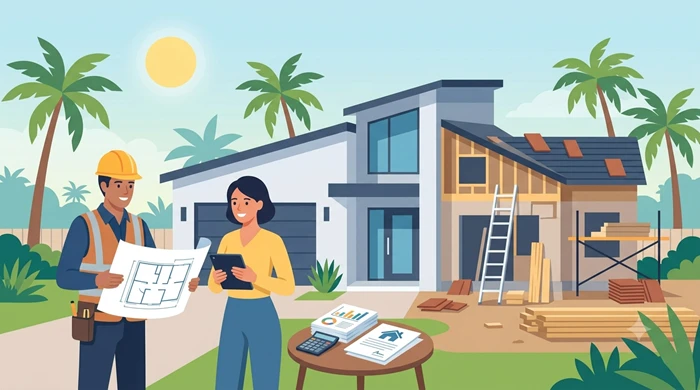
Renovating a home in South Florida can improve comfort, safety, energy efficiency, and property value, but the way a project is financed also deserves careful attention. Homeowners often ask whether home renovation financing offers protection beyond simply spreading payments over time. The answer depends on the loan structure, contractor agreement, project scope, insurance, and the safeguards built into the transaction.
Key Takeaways
-
Home renovation financing can make major improvements manageable without using all available cash at once.
-
Protection comes from the terms, disclosures, payment structure, and contractor safeguards—not from financing alone.
-
A written scope, licensed professionals, permits, insurance, and documented payments can reduce project risk.
-
Top Renovations can help homeowners understand project costs and plan improvements with greater financial clarity.
What Does Home Renovation Financing Actually Protect?
The first point to understand is that financing is primarily a funding method, not an automatic protection plan. A lender may provide funds for an approved project, but that does not necessarily guarantee workmanship, prevent delays, or cover construction defects.
Still, home renovation financing can provide a more structured way to manage renovation costs. Instead of paying the entire project amount from savings, homeowners may use a dedicated loan or another borrowing arrangement with defined repayment terms.
The protection comes from making informed decisions around the financing agreement. Reviewing the interest rate, fees, repayment period, payment schedule, and consequences of missed payments can help a homeowner understand the financial exposure before work begins.
For broader project planning, working with a reputable home renovation contractor can also make the process easier to organize.
Why South Florida Renovations Need Extra Financial Planning
South Florida homes face conditions that can affect renovation budgets. Heat, humidity, heavy rainfall, coastal exposure, and storm-related concerns may influence materials, timelines, maintenance needs, and the scope of work.
Those factors make it important to base home renovation financing on a realistic project budget rather than the first contractor estimate. A detailed scope of work and reasonable contingency allowance can reduce the chance of borrowing too little.
Homeowners can also review home renovation financing options in South Florida to understand how different funding approaches may fit different project sizes and financial circumstances.
How Financing Can Reduce Pressure on Household Cash
One potential benefit of home renovation financing is liquidity. Keeping some savings available can matter when a household faces an unexpected repair, insurance expense, or other financial obligation.
Using a financing arrangement can allow the homeowner to divide a large expense into scheduled payments. This can make cash-flow planning more predictable, although interest and fees can increase the total amount paid.
The key is matching the borrowing amount to the actual project. Borrowing more than necessary may create unnecessary interest costs, while borrowing too little can leave the homeowner scrambling for additional funds midway through construction.
Does a Home Renovation Loan Guarantee Better Results?
A home renovation loan does not normally guarantee the quality of construction. Financing and construction performance are separate issues.
Homeowners should therefore evaluate both sides independently. Before signing, review the contractor’s credentials, insurance, references, written contract, payment schedule, warranty terms, and permit responsibilities.
A detailed agreement should describe what will be installed, the expected timeline, the payment milestones, and the process for approved changes. This helps prevent financial misunderstandings as work progresses.
Financial Safeguards Homeowners Should Consider
A financing plan becomes more useful when paired with practical safeguards.
Start With a Written Project Scope
A written scope helps establish what the homeowner is actually paying for. It should identify materials, finishes, labor, quantities, exclusions, and major project milestones.
Vague descriptions can lead to disagreements later. Clear documentation makes it easier to identify whether a requested change is part of the original agreement or an additional expense.
Understand the Payment Schedule
Large upfront payments can create financial exposure. A milestone-based schedule tied to measurable progress can make cash flow easier to monitor.
Verify Licensing, Insurance, and Permits
Renovation risk is not limited to the cost of materials. Unqualified work can create safety issues, future repair expenses, or complications during a property sale.
Confirm the contractor’s credentials and insurance before work begins. Permit requirements also vary by project and jurisdiction, so responsibilities should be established before construction starts.
Keep a Renovation Reserve
Even well-planned projects can encounter surprises. Setting aside a reasonable reserve can help cover legitimate unforeseen expenses without immediately increasing the amount borrowed.
What Role Does the Contractor Play in Financial Protection?
The contractor relationship can have a major effect on the financial side of a renovation. Clear estimates, transparent change orders, realistic schedules, and organized documentation help homeowners understand where their money is going.
Top Renovations’ experienced team can guide homeowners through project planning, scope development, and renovation decisions so that the financial plan is connected to the actual work being considered.
That connection matters because financing should support a defined project rather than become an open-ended source of spending.
Homeowners planning outdoor improvements can also explore financing a new backyard fence the smart way before committing to another project expense.
Can Financing Help With Larger Renovation Projects?
Larger improvements may require more deliberate planning because the financial commitment can extend over several years. Kitchen expansions, bathroom remodeling, additions, structural work, and exterior improvements can involve multiple trades and stages.
For these projects, home renovation financing can help spread costs across a predetermined repayment period. The tradeoff is that the homeowner takes on debt, and the total cost may be higher than paying cash.
A lower monthly payment does not necessarily mean a lower total cost, so the overall borrowing expense deserves attention.
For homeowners improving exterior appearance or preparing a property for sale, smart ways to finance south florida curb appeal offers another area to consider during budgeting.
Comparing Common Financing Approaches
Different projects can call for different funding strategies. Smaller improvements may be manageable with savings or a short-term financing arrangement, while larger projects may require a longer repayment period.
Personal Loans
A personal loan can provide a defined amount with scheduled payments. Depending on the lender and borrower, it may not require the home as collateral.
Home Equity Options
Homeowners with sufficient equity may consider borrowing against that equity. These products can have different rates, fees, repayment structures, and risks, so the terms deserve close review.
Cash-Out Refinance
A cash-out refinance replaces an existing mortgage with a larger loan and provides the difference in cash. It can change the mortgage rate, monthly payment, closing costs, and overall borrowing period.
For kitchen projects specifically, homeowners can compare cash-out refinance and HELOC options for kitchen renovation before selecting a funding structure.
What Financing Cannot Protect You From
Home renovation financing does not automatically protect a homeowner from construction defects, contractor disputes, weather delays, material shortages, permit problems, or cost increases.
Homeowners should also understand what their existing insurance policy covers and whether the renovation changes coverage requirements.
A lender’s approval should not be treated as proof that a particular contractor or project is financially safe. The homeowner still needs to perform reasonable due diligence.
A Practical Checklist Before Borrowing
Before committing to a financing plan, review the project from both a construction and financial perspective.
-
Define the renovation and separate essential work from optional upgrades.
-
Obtain a detailed written estimate.
-
Confirm contractor credentials, insurance, and responsibilities.
-
Determine which permits and inspections apply.
-
Compare the total financing cost, not just the monthly payment.
-
Establish a contingency reserve.
-
Read the contract and financing agreement separately.
-
Keep every invoice, receipt, change order, and payment record.
-
Confirm how unexpected work will be approved.
-
Make sure the expected monthly payment fits comfortably within the household budget.
This process helps turn home renovation financing into a planned financial decision instead of a reaction to unexpected construction costs.
Final Thoughts
So, does home renovation financing protect homeowners in South Florida? It can contribute to financial stability by creating a structured way to fund improvements, preserve cash reserves, and plan repayment. However, home renovation financing alone does not protect a homeowner from construction or contractor risks.
The strongest approach combines appropriate financing with a detailed scope, qualified professionals, proper documentation, permits, insurance review, and careful budget management.
For South Florida homeowners, financing should support a project that is clearly understood from the beginning. With experienced guidance from Top Renovations, homeowners can make informed decisions about renovation scope, costs, and financing while keeping the financial side of the project organized.
Frequently Asked Questions
Does home renovation financing protect homeowners from contractor problems?
No, financing does not guarantee contractor performance or workmanship.
Can financing preserve a homeowner’s emergency savings?
It can, because home renovation financing may reduce the need to use available cash immediately.
Is a home renovation loan the same as contractor protection?
No, a loan provides funding while contractor protections come from contracts, licensing, insurance, warranties, and applicable laws.
Should South Florida homeowners keep a renovation contingency fund?
Yes, a contingency reserve can help address legitimate unexpected project costs.
What should homeowners compare before choosing financing?
Compare the APR, fees, repayment period, monthly payment, collateral requirements, and total repayment cost.