

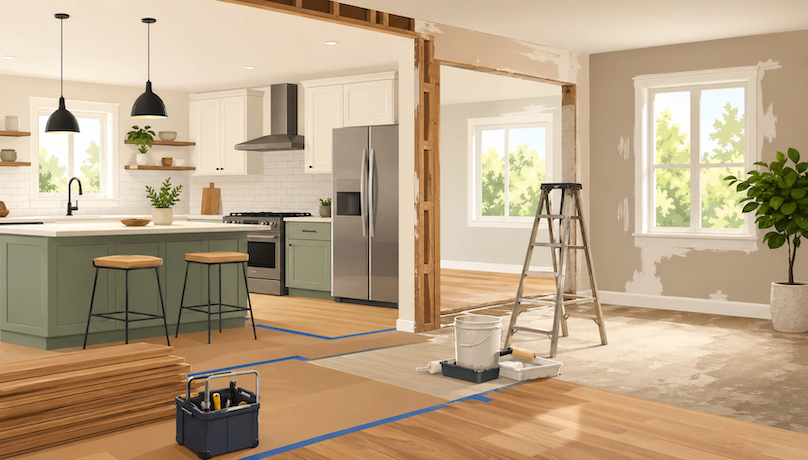
Your home should feel comfortable, functional, and aligned with the way you live today. But over time, even a well-loved house can start to feel outdated, cramped, inefficient, or harder to maintain. That is when home remodeling becomes more than a cosmetic upgrade. It becomes a smart investment in comfort, safety, value, and everyday convenience.
Knowing when to remodel your home is not always obvious. Some signs are easy to spot, like damaged flooring or an outdated kitchen. Others show up slowly, such as rising energy bills, poor layout flow, or rooms that no longer support your family’s lifestyle.
If you have been wondering whether your home needs a refresh or a full renovation, these ten signs can help you decide when it is time to take the next step.
1. Your Home No Longer Fits Your Lifestyle
One of the clearest signs it is time to remodel your home is when the space no longer works for your daily routine. Maybe your family has grown, you now work from home, or your kitchen feels too small for the way you cook and entertain.
A home that once felt perfect can become frustrating when your needs change. You may find yourself using rooms in awkward ways, avoiding certain areas, or constantly wishing for more storage, better lighting, or a more open layout.
Instead of forcing your lifestyle to fit your home, remodeling allows your home to support how you actually live.
2. The Layout Feels Outdated or Inefficient
Older homes often have layouts that do not match modern living. Closed-off kitchens, narrow hallways, small bathrooms, and separated living spaces can make a home feel smaller than it really is.
An outdated layout can also affect how natural light moves through the house. Rooms may feel dark, disconnected, or inconvenient, even if the home has plenty of square footage.
A remodel can improve traffic flow, open up key spaces, and create a layout that feels more natural. This is especially helpful in kitchens, living rooms, bathrooms, and shared family areas.
3. Your Kitchen Is Holding You Back
The kitchen is one of the most important spaces in any home. When it no longer functions well, it can affect your entire day.
Common kitchen remodeling signs include limited counter space, poor storage, outdated cabinets, old appliances, bad lighting, or a layout that makes cooking feel inconvenient.
A kitchen remodel can improve both beauty and function. New cabinetry, better lighting, updated countertops, and improved appliance placement can make the space easier to use and more enjoyable to spend time in.
Even smaller changes can make a major difference when they are planned carefully.
4. Your Bathroom Feels Worn, Small, or Outdated
Bathrooms deal with daily moisture, heavy use, and constant wear. Over time, they can start to show signs of aging faster than other rooms.
Cracked tile, stained grout, poor ventilation, old fixtures, limited storage, and outdated designs are all strong signs that your bathroom may need remodeling.
Beyond appearance, bathroom issues can also point to deeper concerns. Water damage, mold, leaks, and soft flooring should never be ignored.
A bathroom remodel can improve comfort, safety, and efficiency while giving the space a clean, modern feel.
5. You Notice Visible Damage Around the Home
Not every remodeling sign is about style. Sometimes, your home gives you physical warning signs that repairs or upgrades are needed.
Look for damaged flooring, cracked walls, peeling paint, water stains, warped cabinets, broken tiles, or sagging ceilings. These issues may seem minor at first, but they can become more expensive if ignored.
Flooring is especially important because it affects the look, safety, and durability of your home. If your floors are scratched, uneven, stained, or outdated, reviewing current flooring renovation trends can help you choose materials that fit both your style and your climate.
Visible damage is often your home’s way of telling you it is time for a professional assessment.
6. Your Energy Bills Keep Going Up
Rising utility bills can be another sign that your home needs remodeling. Old windows, poor insulation, outdated appliances, inefficient lighting, and aging HVAC systems can all increase monthly costs.
If your home feels too hot in summer, too cold in winter, or uneven from room to room, the issue may be related to poor energy performance.
A remodel can include upgrades such as better windows, improved insulation, energy-efficient appliances, LED lighting, and smarter ventilation. These improvements can make your home more comfortable while helping reduce long-term operating costs.
Energy-efficient remodeling also appeals to future buyers, making it a practical investment.
7. Storage Has Become a Daily Problem
Clutter is not always a sign that you own too much. Sometimes, it means your home does not have the right storage.
If countertops, closets, garages, bedrooms, or laundry areas always feel crowded, your current layout may not be supporting your needs.
Remodeling can create smarter storage in places you already use every day. Built-in shelving, custom cabinets, pantry upgrades, mudroom storage, bathroom vanities, and closet systems can make your home feel more organized and spacious.
Good storage does not just hide clutter. It makes daily life easier.
8. Your Home Looks Outdated Compared to Your Taste
Style changes over time, and so do personal preferences. A home that looked great years ago may now feel dated, dark, or mismatched with your current taste.
Outdated cabinets, old countertops, heavy textures, worn finishes, faded paint colors, and dated fixtures can make a home feel older than it is.
A remodel gives you the chance to refresh your home with modern finishes while still keeping it warm and personal. The goal is not to chase every trend. It is to create a space that feels timeless, comfortable, and true to your style.
When done well, a design update can make your home feel completely new without requiring a full rebuild.
9. You Are Planning to Sell in the Future
If you plan to sell your home within the next few years, remodeling can help increase buyer appeal. Updated kitchens, bathrooms, flooring, lighting, and curb appeal often make a strong first impression.
Buyers usually notice areas that feel old, damaged, or poorly maintained. Even if your home is structurally sound, outdated finishes can make it harder to compete with newer or recently remodeled properties.
Before starting any major renovation, it is helpful to understand the details involved in project agreements, timelines, materials, and scope. Reading through renovation contract details can help you feel more prepared before committing to a remodeling project.
A smart remodel should balance personal enjoyment with resale value.
10. Repairs Are Becoming Too Frequent
Every home needs maintenance, but constant repairs can be a sign that larger updates are overdue.
If you are regularly fixing plumbing, patching drywall, replacing broken fixtures, repairing cabinets, or dealing with the same problems again and again, remodeling may be more cost-effective than temporary fixes.
Repeated repairs often point to aging systems, outdated materials, or deeper design issues. Instead of spending money on short-term solutions, a remodel can address the root cause.
This is where professional planning matters. A contractor can help identify what should be repaired, replaced, or redesigned for long-term performance.
When Remodeling Makes More Sense Than Small Repairs
Small repairs are useful when the issue is isolated. But when several parts of your home are outdated, damaged, or inefficient, remodeling may be the better choice.
For example, replacing one cracked tile is a repair. Updating an entire outdated bathroom with moisture-resistant materials, new lighting, better storage, and improved ventilation is a remodel.
The same applies to kitchens, flooring, laundry rooms, and living spaces. If the problem affects how the room functions, looks, or supports your lifestyle, remodeling may offer better long-term value.
Before deciding, consider the age of your home, the condition of its materials, your budget, and your goals for the space.
Should You Remodel Yourself or Hire a Professional?
DIY projects can be rewarding, especially for small cosmetic updates like painting, changing hardware, or adding simple shelving. But larger remodeling projects usually require professional experience.
Electrical work, plumbing, structural changes, flooring installation, cabinetry, waterproofing, and permitting should be handled carefully. Mistakes in these areas can lead to costly repairs, safety issues, or failed inspections.
If you are unsure which route is best, comparing DIY contractor choices can help you decide what is safe to handle yourself and what should be left to experienced remodelers.
Hiring the right professional can save time, reduce stress, and help ensure the finished result looks good and performs well.
How to Start Planning Your Home Remodel
Once you recognize the signs that your home needs remodeling, the next step is planning. A successful remodel starts with clear goals.
Think about what bothers you most. Is it the layout, storage, design, lighting, flooring, or overall condition? Then consider what improvements would make the biggest difference in your daily life.
It also helps to prioritize your project by urgency. Water damage, safety issues, and structural concerns should come before purely cosmetic updates.
After that, set a realistic budget, gather inspiration, and speak with a remodeling professional. A good contractor can help you understand what is possible, what should come first, and how to approach the project efficiently.
When you are ready to move forward, you can [book your appointment]((954) 237-4257) to discuss your remodeling goals and get expert guidance.
Benefits of Remodeling at the Right Time
Remodeling before problems become severe can save money and stress. Waiting too long often leads to more damage, higher repair costs, and bigger disruptions.
A timely remodel can improve comfort, function, safety, energy efficiency, and home value. It can also make your home feel more enjoyable every day.
Instead of seeing remodeling as a last resort, think of it as a way to protect and improve one of your most important investments.
The right updates can help your home feel fresh, practical, and ready for the next stage of your life.
Common Home Remodeling Projects Worth Considering
If you know your home needs work but are not sure where to begin, start with the areas that affect daily living the most.
Kitchen remodeling is often a top priority because the kitchen is used every day and has a major impact on home value. Bathroom remodeling is another smart choice, especially when moisture, storage, or outdated fixtures are an issue.
Flooring updates can transform the entire feel of a home. New floors can make rooms look cleaner, brighter, and more modern.
Other valuable projects include laundry room upgrades, closet improvements, lighting updates, open-concept changes, exterior improvements, and energy-efficient upgrades.
The best project depends on your home’s condition and your personal goals.
FAQ About Remodeling Your Home
How do I know if my home needs remodeling?
Your home may need remodeling if it feels outdated, lacks storage, has visible damage, no longer fits your lifestyle, or requires frequent repairs. Rising energy bills, poor layout flow, and worn kitchens or bathrooms are also common signs.
What room should I remodel first?
Start with the room that affects your daily life the most. For many homeowners, that is the kitchen, bathroom, or main living area. If there are safety concerns or water damage, those should take priority.
Is remodeling worth it before selling a home?
Yes, remodeling can be worth it before selling if the updates improve buyer appeal and address obvious issues. Kitchens, bathrooms, flooring, paint, and lighting often make the biggest impact.
How often should a home be remodeled?
There is no exact timeline, but many homes benefit from updates every 10 to 15 years. High-use areas like kitchens, bathrooms, and flooring may need attention sooner depending on wear and tear.
Can remodeling improve energy efficiency?
Yes. Remodeling can improve energy efficiency through updated windows, insulation, appliances, lighting, ventilation, and HVAC-related improvements. These upgrades can make the home more comfortable and may reduce utility costs.
Should I remodel or move?
If you like your location but your home no longer fits your needs, remodeling may be a better option than moving. If the home has major limitations that cannot be fixed within your budget, moving may be worth considering.
Conclusion
Your home does not need to be falling apart before you consider remodeling. Sometimes the signs are subtle: a frustrating layout, not enough storage, outdated finishes, rising energy bills, or rooms that no longer match your lifestyle.
Remodeling at the right time can make your home more comfortable, more functional, and more valuable. Whether you are planning a kitchen update, bathroom renovation, flooring upgrade, or full-home remodel, the key is to start with clear goals and work with professionals who understand your vision.
A well-planned remodel does more than improve how your home looks. It improves how your home works for you every single day.