

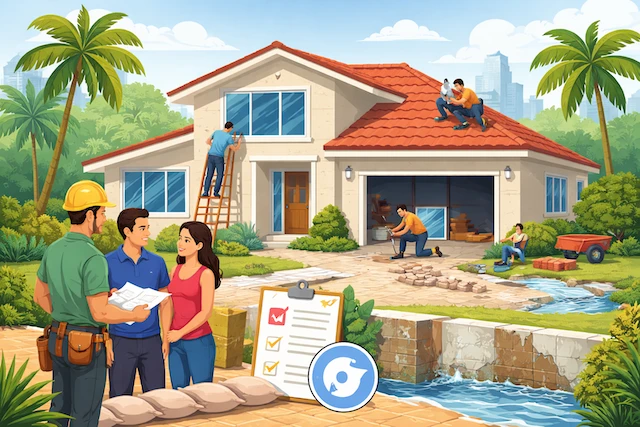
Renovating a home in South Florida comes with unique opportunities—and just as many challenges. From high humidity and hurricane risks to strict building codes and older property structures, homeowners in this region face factors that don’t always apply elsewhere.
If you’re planning a renovation, understanding these challenges ahead of time can save you time, money, and stress. In this guide, we’ll walk through the most common renovation issues in South Florida and, more importantly, how to fix or avoid them.
Why Renovating in South Florida Is Different
South Florida isn’t your typical renovation environment. The combination of tropical weather, coastal exposure, and local regulations creates a very specific set of conditions.
You’re dealing with:
-
High humidity year-round
-
Salt air corrosion (especially near the coast)
-
Hurricane and storm preparedness requirements
-
Older homes with outdated systems
-
Strict permitting and inspection processes
Each of these plays a role in how your renovation should be planned and executed.
Moisture and Humidity Issues
The Challenge
Humidity is one of the biggest factors affecting homes in South Florida. Excess moisture can lead to:
-
Mold and mildew growth
-
Warped wood materials
-
Paint and finish deterioration
-
Musty indoor air quality
Even new renovations can fail quickly if moisture control isn’t handled properly.
The Fix
Start by choosing moisture-resistant materials. For example:
-
Use tile, vinyl, or sealed concrete instead of traditional hardwood
-
Install mold-resistant drywall in high-moisture areas
-
Choose paints designed for humid environments
Proper ventilation is just as important. Kitchens, bathrooms, and laundry areas should have effective exhaust systems to control indoor humidity.
If you’re planning a larger upgrade, it’s worth exploring a full home remodeling service estimate to ensure moisture protection is built into your renovation plan from the start.
Hurricane-Resistant Upgrades
The Challenge
South Florida homes must withstand strong winds, heavy rain, and flying debris during hurricane season. Standard materials and installations may not meet local safety requirements.
The Fix
Focus on impact-resistant upgrades that improve both safety and property value.
Windows and Doors
Installing hurricane-rated options is one of the most important upgrades you can make. Modern impact-resistant windows and doors not only protect your home but also improve insulation and noise reduction.
Structural Reinforcements
-
Reinforce roofing systems
-
Secure entry points
-
Upgrade garage doors to wind-rated models
These improvements help your home meet local codes while giving you peace of mind during storm season.
Permits and Building Codes
The Challenge
South Florida has strict building codes, especially for structural, electrical, and plumbing work. Skipping permits or making unapproved changes can lead to fines or delays.
The Fix
Work with professionals who understand local regulations and handle permits properly.
Make sure your renovation includes:
-
Approved plans and documentation
-
Inspections at required stages
-
Compliance with hurricane and flood standards
Taking shortcuts here often costs more in the long run.
Aging Infrastructure in Older Homes
The Challenge
Many South Florida homes were built decades ago and may still have outdated systems, including:
-
Old plumbing lines
-
Inefficient electrical systems
-
Worn-out roofing or insulation
Renovating without addressing these issues can create bigger problems later.
The Fix
Before starting cosmetic upgrades, conduct a full inspection of your home’s systems.
Focus on:
-
Updating plumbing and electrical
-
Reinforcing structural elements
-
Improving insulation and ventilation
A renovation should not only improve how your home looks—but also how it performs.
Drainage and Flooding Concerns
The Challenge
Heavy rainfall and low elevation can lead to drainage issues, especially in certain neighborhoods.
Poor drainage can cause:
-
Water pooling around your property
-
Foundation damage
-
Landscape erosion
The Fix
Improving drainage is essential during any renovation.
Driveways and Grading
Upgrading your outdoor layout can make a big difference. A properly designed driveway installation and drainage solution helps redirect water away from your home.
Yard Adjustments
-
Regrade your property to improve runoff
-
Install French drains if needed
-
Ensure gutters and downspouts are functioning properly
These upgrades protect your home long-term.
Outdoor Living Space Wear and Tear
The Challenge
Outdoor spaces are a big part of South Florida living—but constant sun exposure, humidity, and rain can wear down materials quickly.
The Fix
Choose durable, weather-resistant materials for patios, fences, and outdoor structures.
A professionally installed durable fence solution for outdoor spaces can withstand harsh conditions while improving privacy and curb appeal.
For patios and decks:
-
Use composite or treated materials
-
Apply UV-resistant coatings
-
Maintain surfaces regularly
Kitchen Renovation Challenges in South Florida
The Challenge
Kitchens in South Florida homes face heat, humidity, and heavy use, which can affect materials and layout efficiency.
The Fix
When planning your upgrade, prioritize both durability and functionality.
A well-designed modern kitchen remodeling solution can include:
-
Moisture-resistant cabinetry
-
Quartz or granite countertops
-
Efficient ventilation systems
-
Open layouts that improve airflow
This ensures your kitchen performs well in a humid climate while maintaining a clean, modern look.
Budget Overruns and Delays
The Challenge
Unexpected costs and timeline delays are common during renovations, especially when hidden issues are discovered mid-project.
The Fix
Plan for flexibility from the beginning.
Set a Realistic Budget
Include:
-
Material costs
-
Labor
-
Permit fees
-
A contingency fund (10–20%)
Work With Experienced Contractors
Experienced professionals can anticipate potential issues and keep your project on track.
Choosing the Right Materials for South Florida
The Challenge
Not all materials perform well in South Florida’s climate. Using the wrong ones can lead to faster deterioration and higher maintenance costs.
The Fix
Select materials specifically suited for heat, moisture, and salt exposure.
Best choices include:
-
Tile or stone flooring
-
Aluminum or fiberglass windows
-
Moisture-resistant cabinetry
-
Exterior finishes designed for coastal environments
These materials last longer and require less maintenance.
How to Plan a Successful Renovation in South Florida
Bringing everything together, a successful renovation in South Florida comes down to preparation and smart decision-making.
Key Steps to Follow
-
Understand your home’s current condition
-
Prioritize structural and functional upgrades
-
Choose climate-appropriate materials
-
Work with professionals familiar with local codes
-
Plan your budget with flexibility
Taking the time to plan properly reduces risks and ensures better results.
Final Thoughts
Renovating in South Florida comes with its own set of challenges—but with the right approach, those challenges become opportunities to improve your home’s durability, efficiency, and value.
From managing humidity and preparing for storms to navigating permits and upgrading older systems, each step plays a role in creating a space that’s built to last.
Whether you’re updating a single room or planning a full home transformation, understanding these common issues—and how to fix them—will help you make smarter decisions and avoid costly mistakes.